


| Article number: | 10.00.007 |
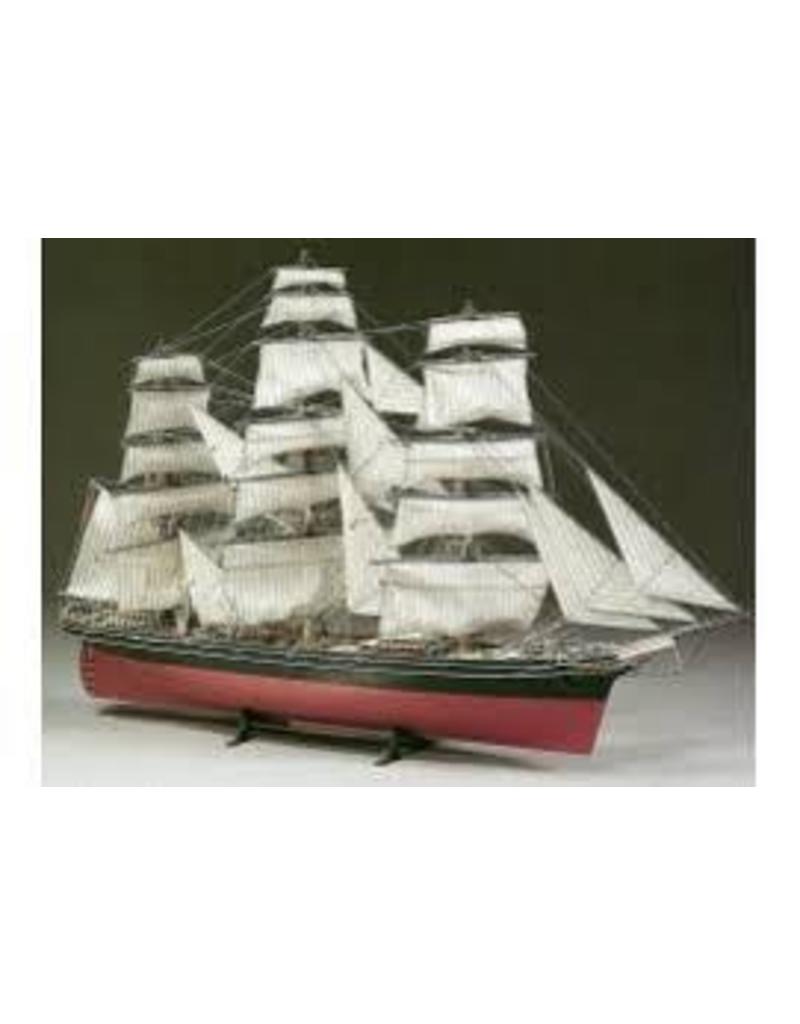
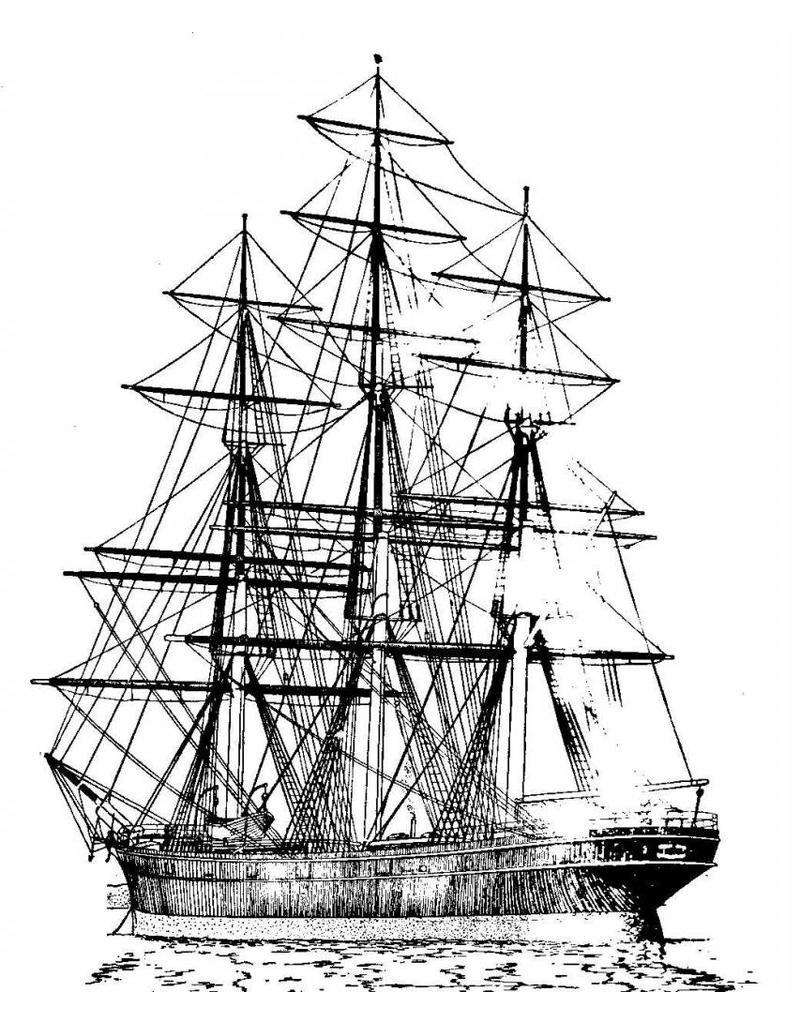
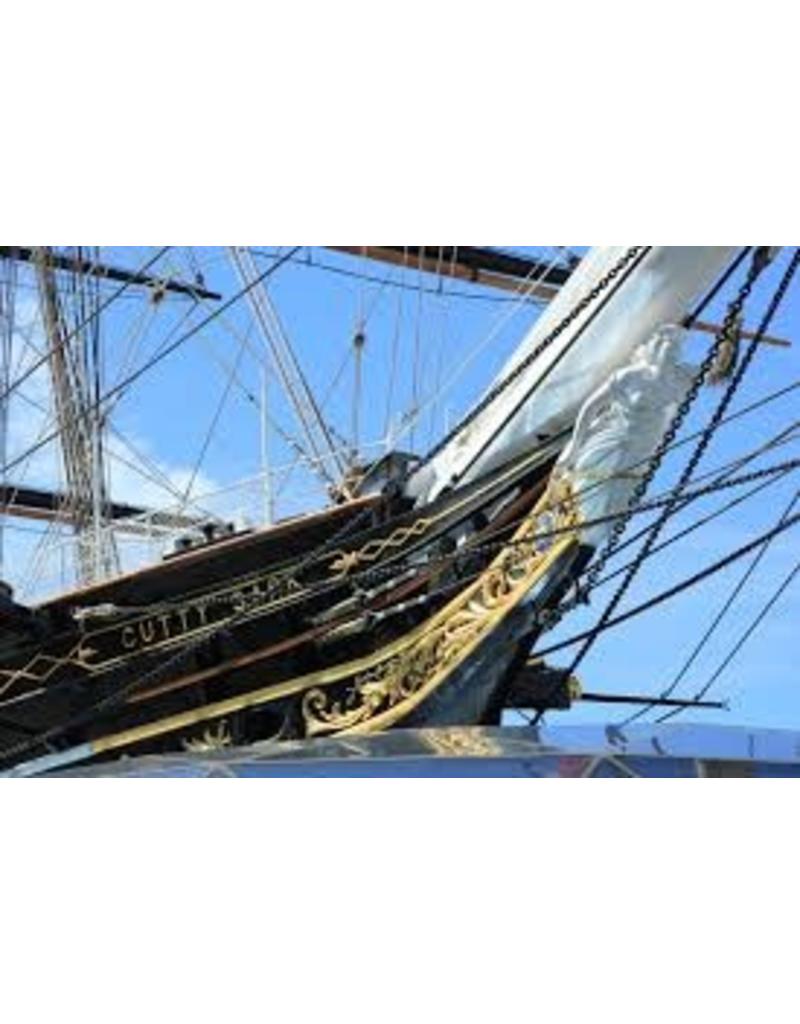
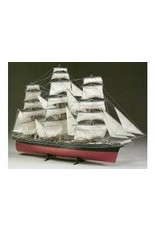
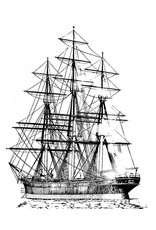
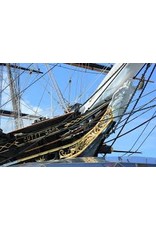
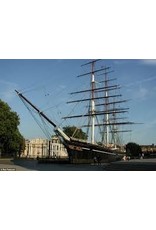
The Cutty Sark is one of the most famous 19th-century tea clippers and is considered an icon of the golden age of sail. The ship is particularly known for its speed and its role in the tea trade, which was crucial for the British economy at the time.
Year of Construction: The Cutty Sark was built in 1869 in Dumbarton, Scotland, by the shipyard John T. Wells & Co..
Type of Ship: It was a tea clipper, a type of ship specifically designed for the rapid transport of tea from China to Great Britain. Clippers like the Cutty Sark were famous for their speed, often capable of covering long distances in a short time.
Dimensions: The ship had a length of 65 metres, a width of 9.7 metres, and a sail area of approximately 1,000 square metres. It had three masts and a classic sail plan that allowed it to sail at a speed of around 17 knots (approximately 31 km/h).
The Cutty Sark was originally built for the tea trade, specifically for the connection between China and Great Britain, with British trading companies seeking the fastest way to bring tea to Europe. At that time, the tea trade was of great importance to Great Britain, and speed was essential to stay ahead of competitors.
Part of the Tea Trade: The Cutty Sark was designed to make the long journey from China to Great Britain in the shortest possible time, often by taking the route around the Cape of Good Hope in South Africa, as the direct route via the Suez Canal was not yet available.
Other Cargo: Although the ship was primarily known for its tea trade, it was also used for transporting other goods, such as opium and wool.
The Cutty Sark was one of the fastest ships of its time and participated in various informal "races" with other tea clippers. These races were often conducted in competition to sail the fastest transoceanic route. In its heyday, the Cutty Sark was known as one of the fastest sailing ships at sea.
The rise of steamships in the second half of the 19th century made classic sailing ships, such as the Cutty Sark, increasingly less profitable. Steamships could be faster and more reliable, as they were not dependent on the wind.
Later Years: The Cutty Sark remained in active service until 1895, when she was converted for the transport of wool from Australia to Great Britain. Shipping wool and other cargoes was less dependent on speed, and the Cutty Sark eventually became redundant for this new role.
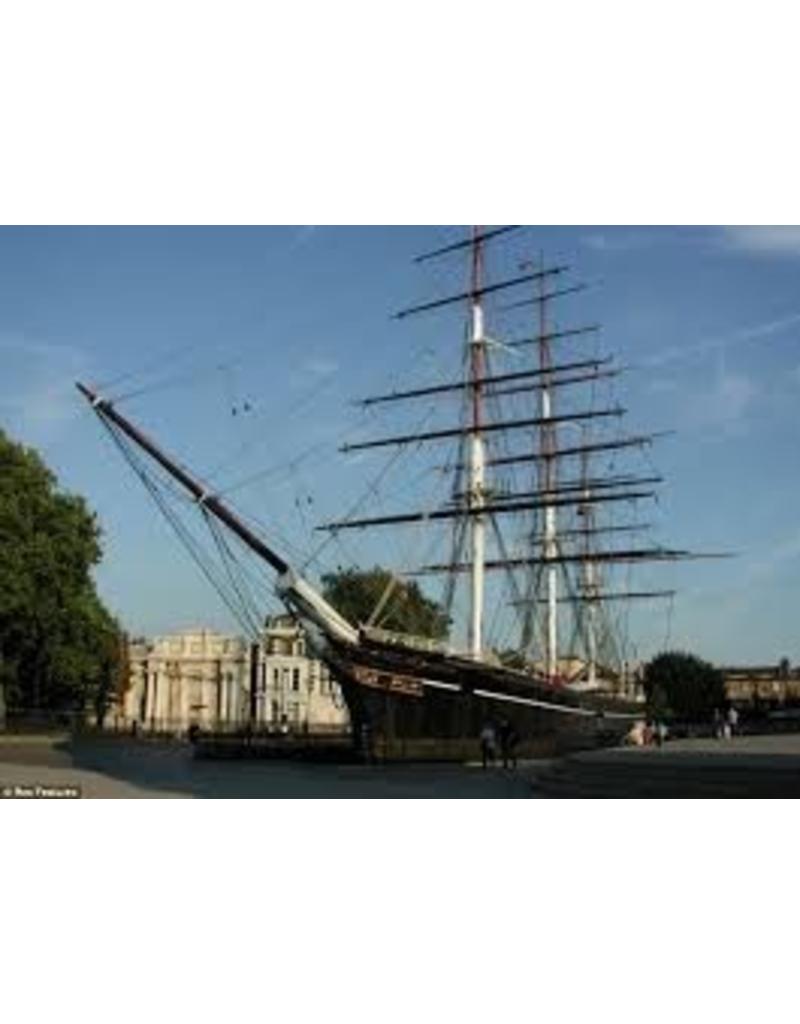
After its active service, the Cutty Sark was donated in 1954 to the National Maritime Museum in Greenwich, London, where the ship is now presented as a museum. The ship is one of the few remaining tea clippers and a living monument to the golden age of sail.
Restoration: The Cutty Sark has undergone several restorations, and one of the most significant took place between 2006 and 2012, during which the ship was renovated and re-exhibited to the public. The ship is now housed in a glass exhibition, offering visitors a panoramic view.
Specifications :
|
Drawing number |
10.00.007 |
|
|
Description |
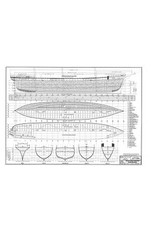
Tea Clipper "Cutty Sark" (1869) |
|
|
Quality |
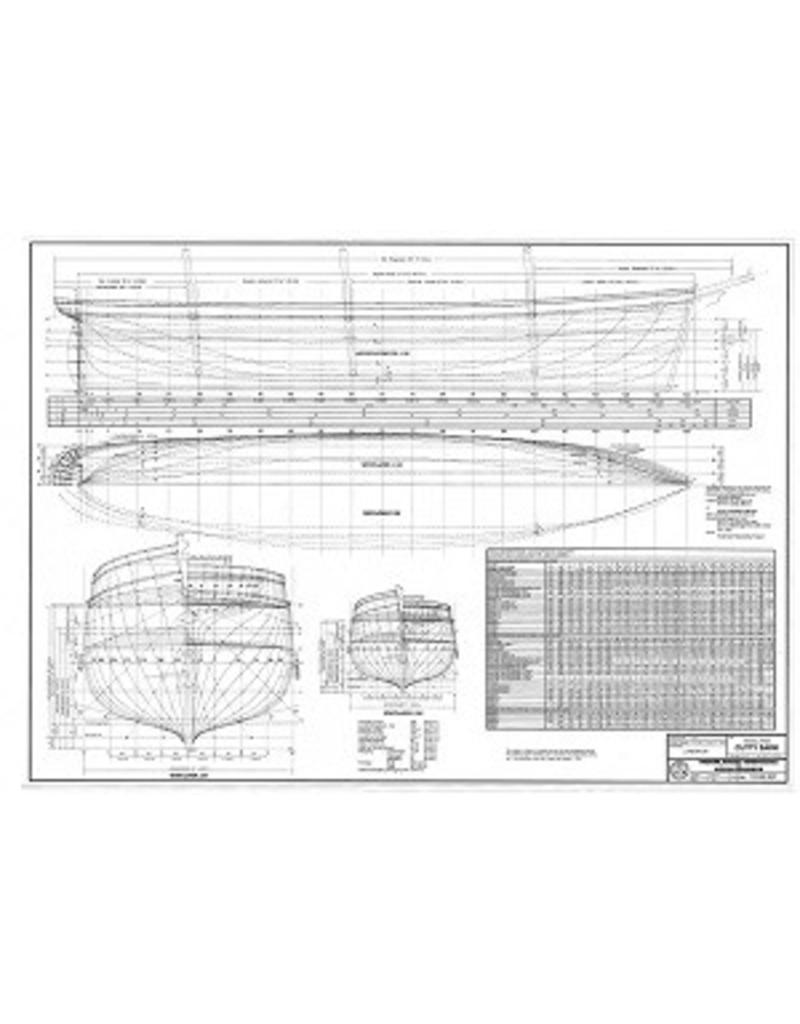
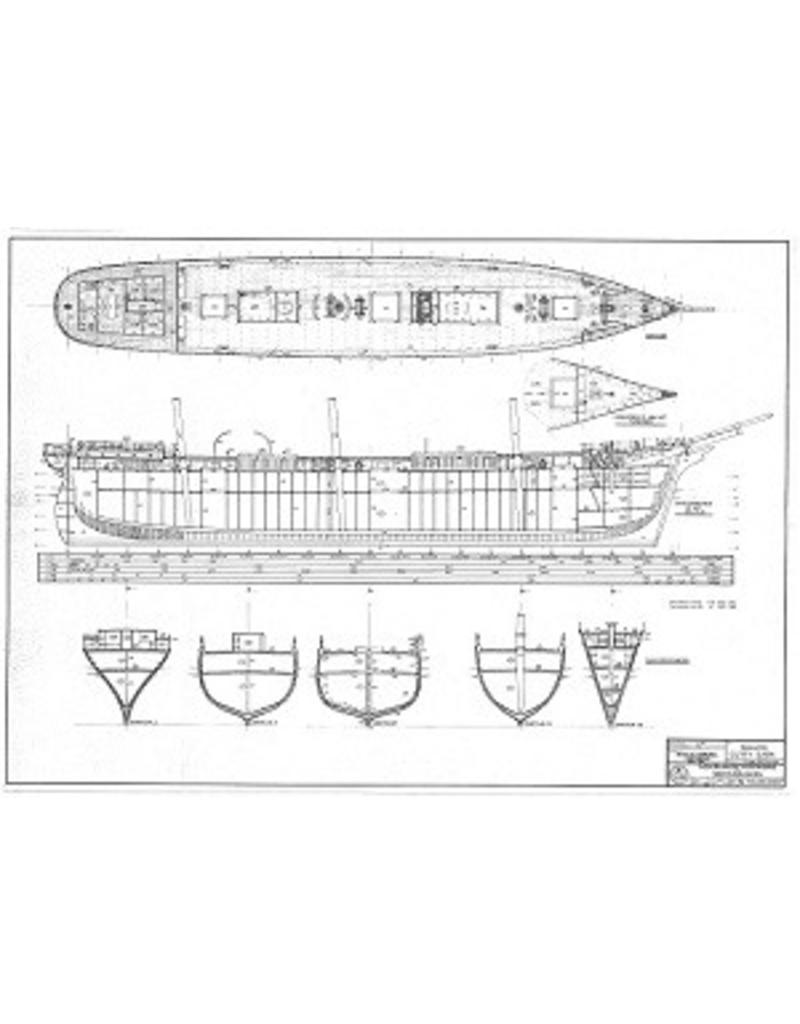
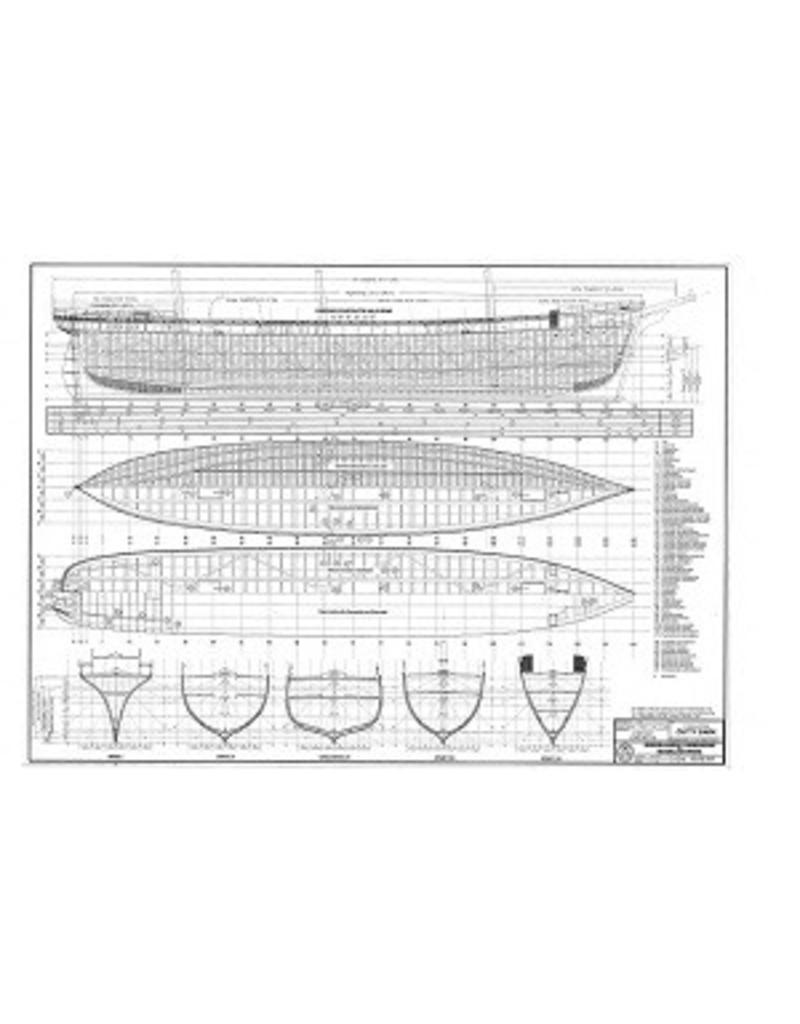
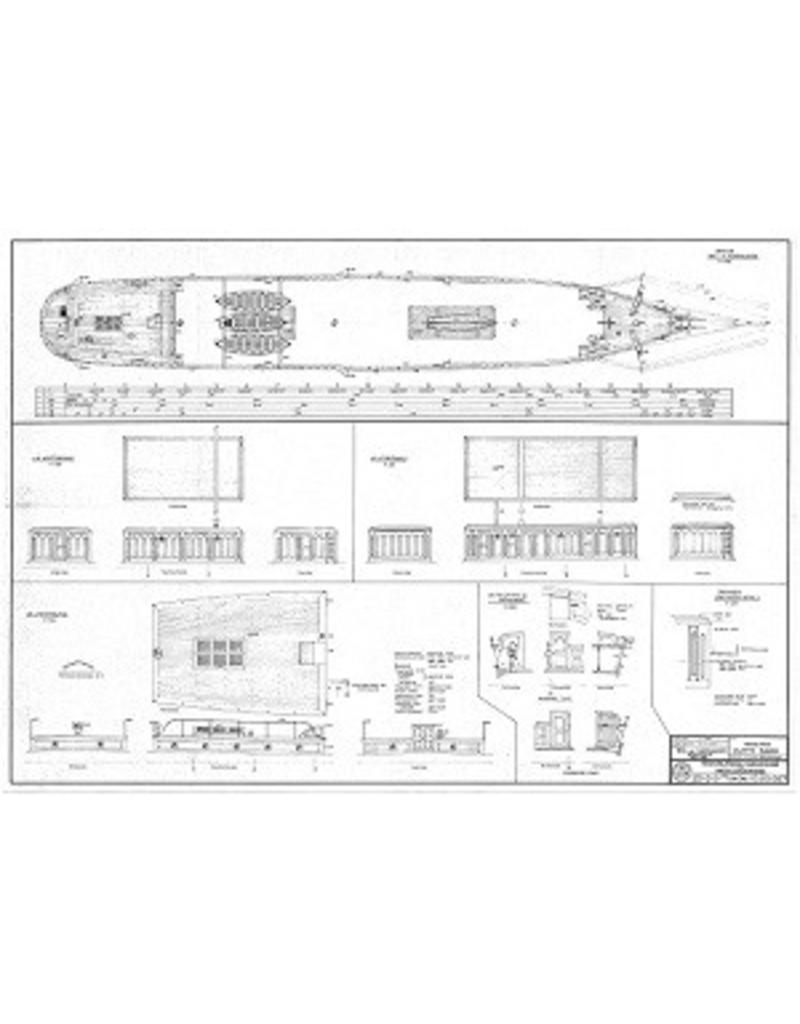
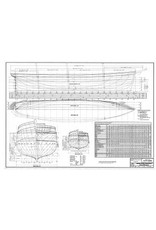
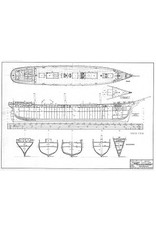
general plan; sail plan; sp/lines; frames 1:50; midship section; details |
|
|
Scale |
1 : 100 |
|
|
Number of sheets A00 |
0 |
|
|
Number of sheets A0 |
1 |
|
|
Number of sheets A1 |
4 |
|
|
Number of sheets A2 |
0 |
|
|
Number of sheets A3 |
19 |
|
|
Number of sheets A4 |
0 |
|
|
Number of sheets A4 text |
0 |
|
|
Weight in grams |
455 |
|
|
Particulars |
l.o.a. 88 cm |
|
|
Remarks |
||