| Article number: | 10.00.008 |
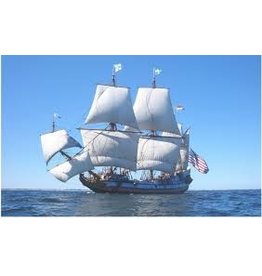
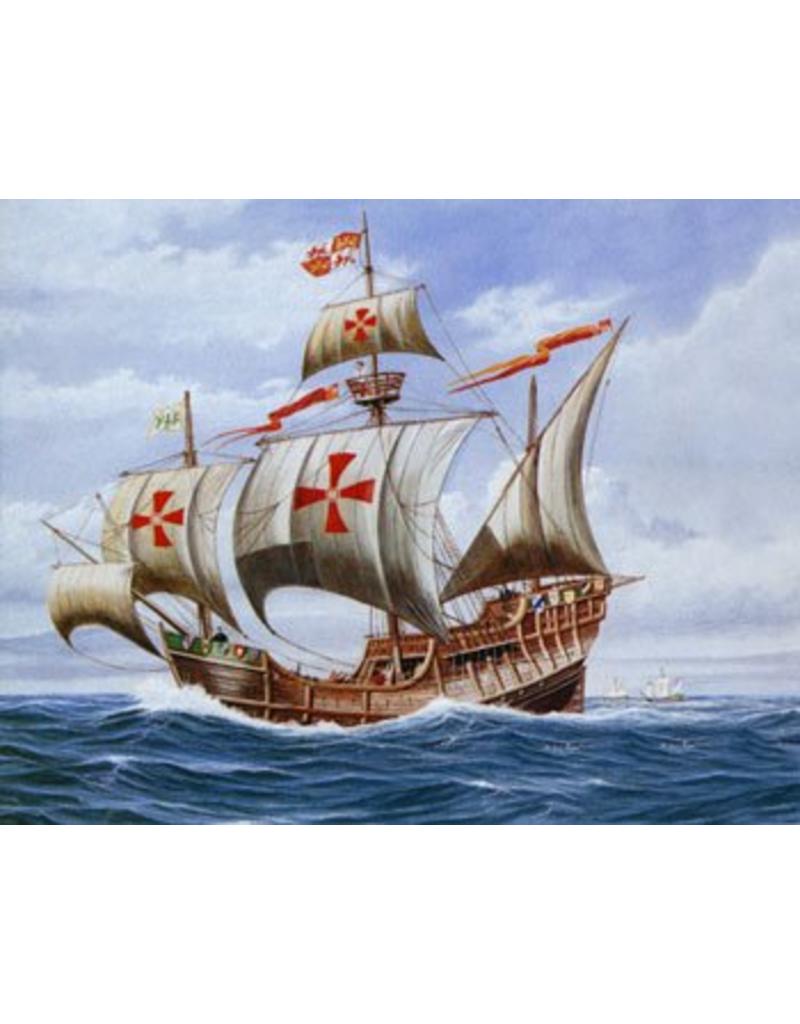
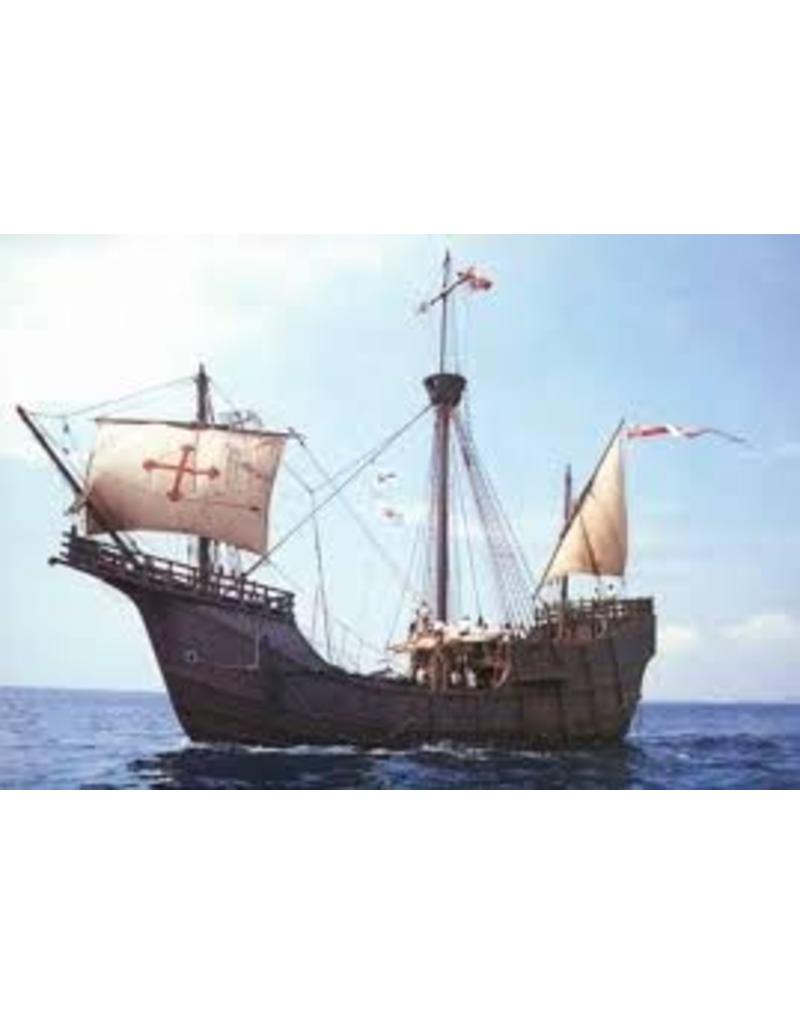
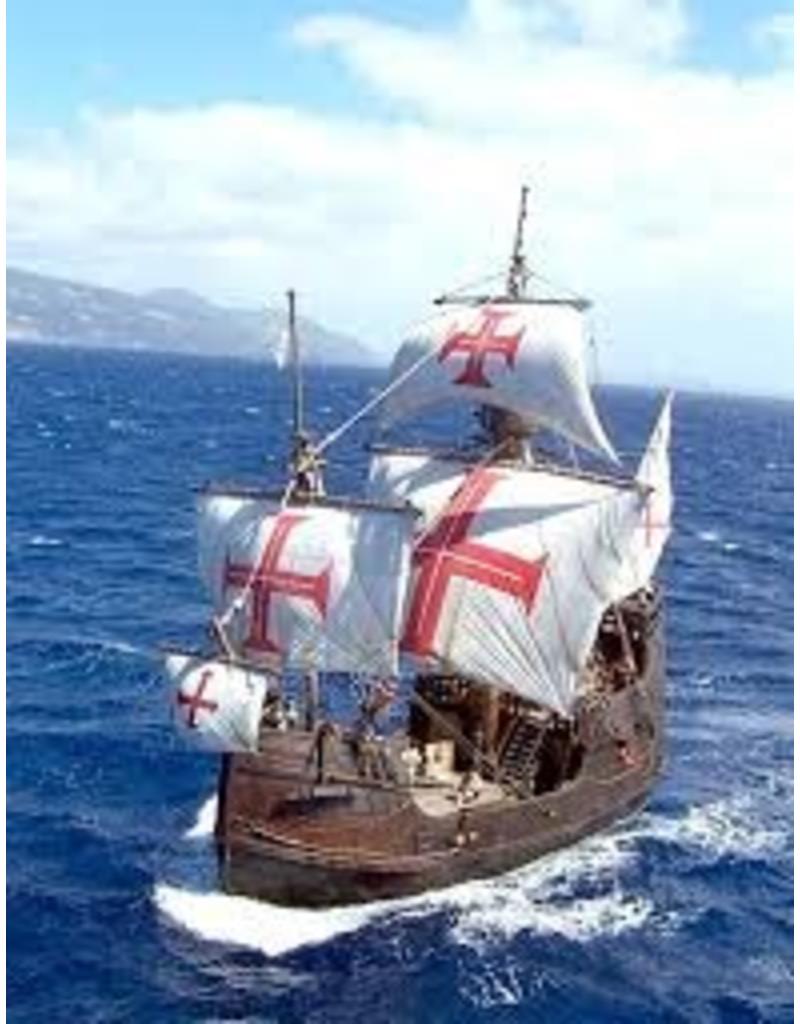
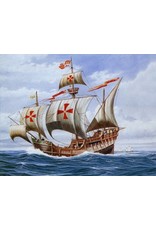
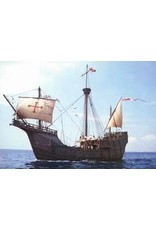
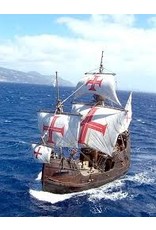
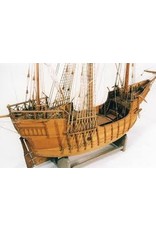
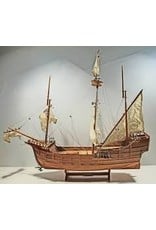
The Nao Santa Maria was one of the three famous ships that crossed the Atlantic Ocean under the command of Christopher Columbus during his historic voyage in 1492, which led to the discovery of the New World (America) for Europe. The ship is one of the icons of the "Voyages of Discovery" and plays a crucial role in the history of European expansion.
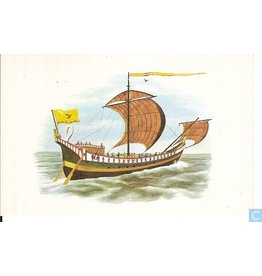
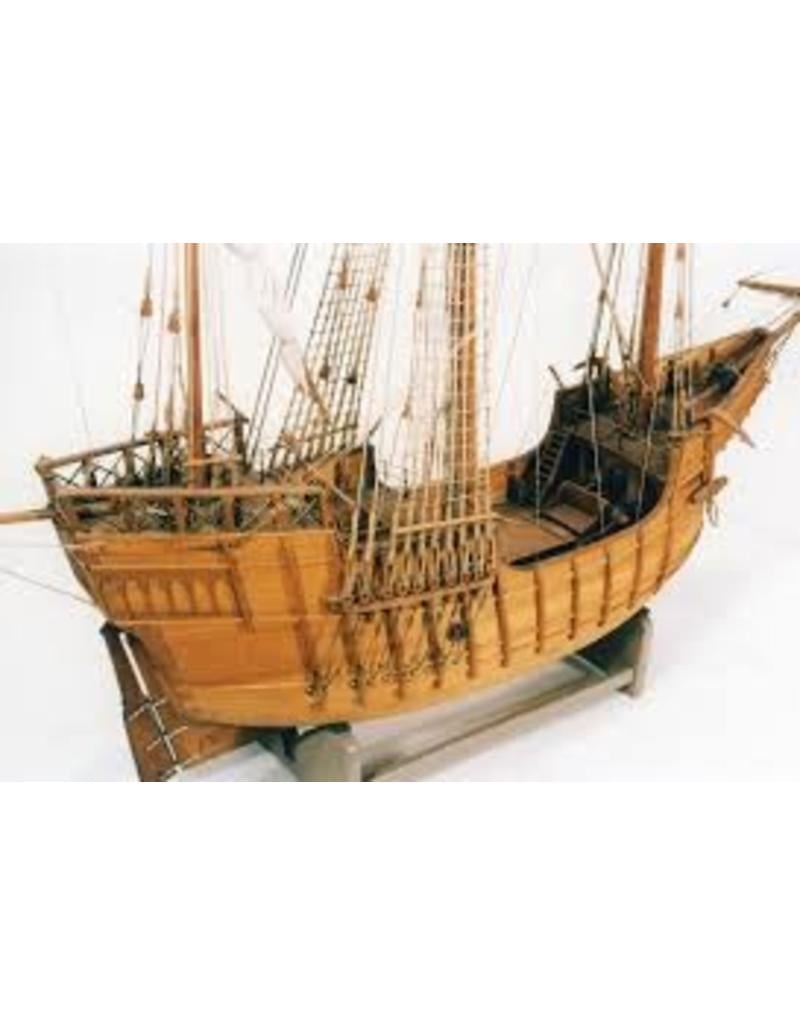
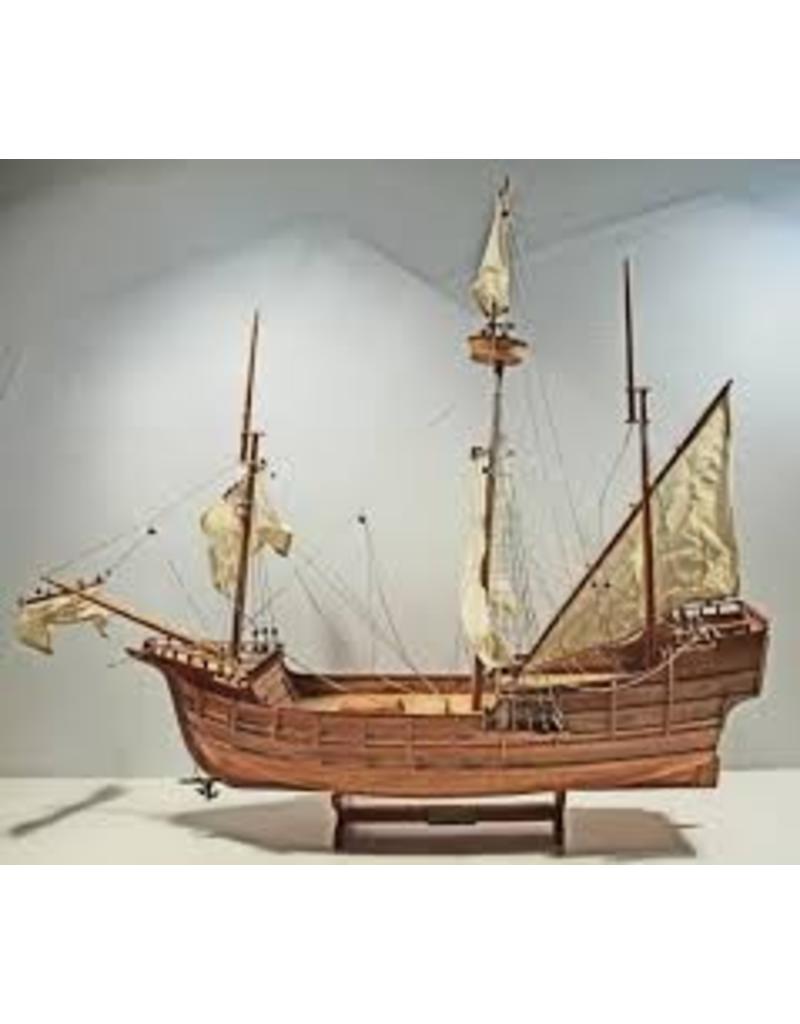
Type of ship: The Santa Maria was a Nao, a type of ship common in the 15th century. Naos were relatively large ships, with a wide range of uses, including trade and exploration. They had a sturdy, robust design, suitable for long ocean voyages.
Year of construction: The ship was built in 1460, probably in the port city of Galicia, in Spain. It was originally used for trade but was recruited by Columbus for his expedition.
Dimensions: The Santa Maria was approximately 23 metres long and had a width of approximately 8 metres. The ship was relatively small compared to later vessels, but it was well-equipped for Columbus's voyage.
Sails and equipment: It had three masts and a lateen sail on the aft mast, which was typical for ships of that era. The Santa Maria was therefore well capable of navigating long ocean voyages.
The Santa Maria was the flagship of Columbus's expedition in 1492, which was intended to find a western route to Asia. However, Columbus had no idea that he was about to discover a new continent.
1492 Expedition: Columbus departed on 3 August 1492 from the port of Palos de la Frontera, Spain, with three ships: the Santa Maria, the Pinta, and the Niña. The voyage first went to the Canary Islands and then westward across the Atlantic Ocean. After weeks of uncertainty and dangers, Columbus landed on 12 October 1492 on an island in the Caribbean, which he named San Salvador (present-day Bahamas).
Role of the Santa Maria: The Santa Maria played the main role in this historic voyage. It was the largest of the three ships and served as Columbus's flagship. It played a crucial role in the journey to the New World and the recording of the new discoveries.
Unfortunately, the Santa Maria was unable to make the return journey to Spain. While Columbus and his crew landed on the island of Hispaniola (present-day Haiti and the Dominican Republic), the Santa Maria ran aground on rocks and became stuck on 25 December 1492. Despite attempts to save the ship, it was irreparably damaged. Columbus decided to abandon the Santa Maria and build a fort on the island, which he named La Navidad. The ship's crew returned to Spain with the other two ships, the Pinta and the Niña.
Specifications :
|
Drawing number |
10.00.008 |
|
|
Description |
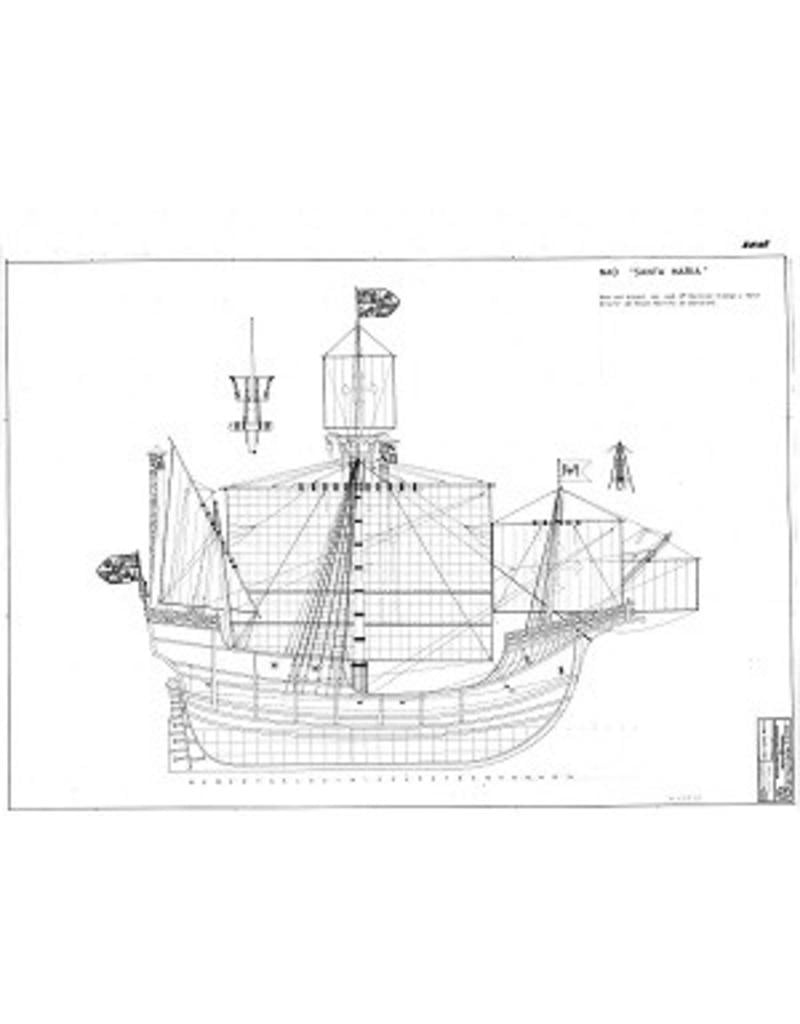
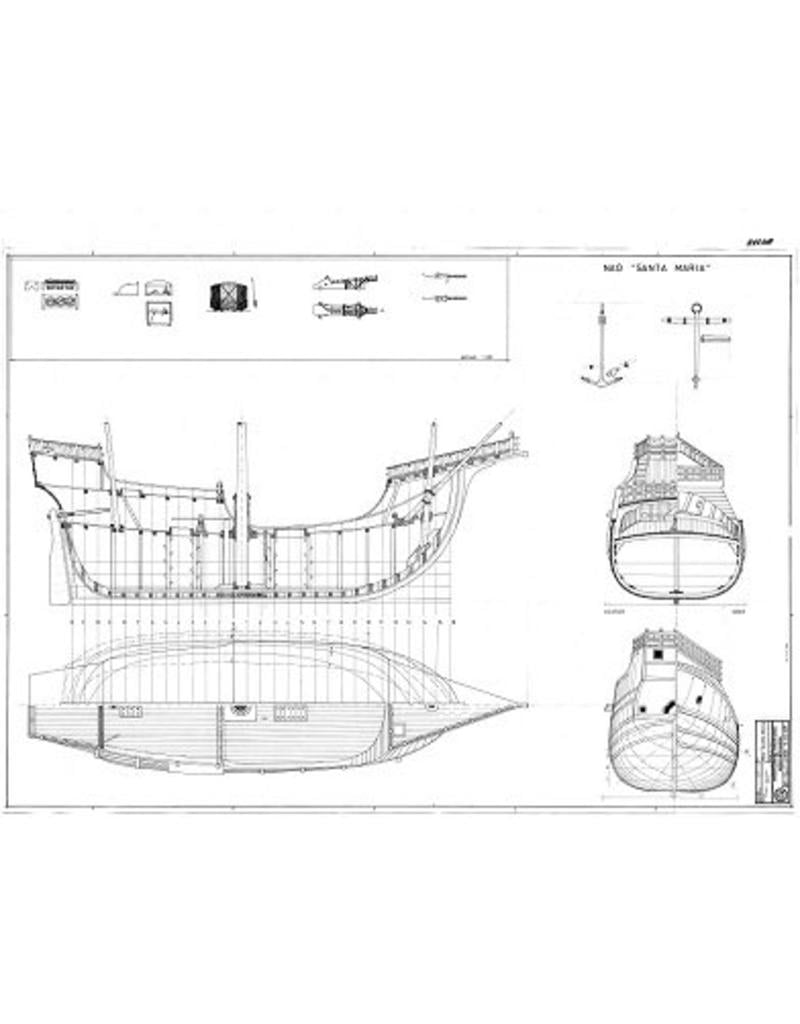
Nao "Santa Maria" (1492) |
|
|
Quality |
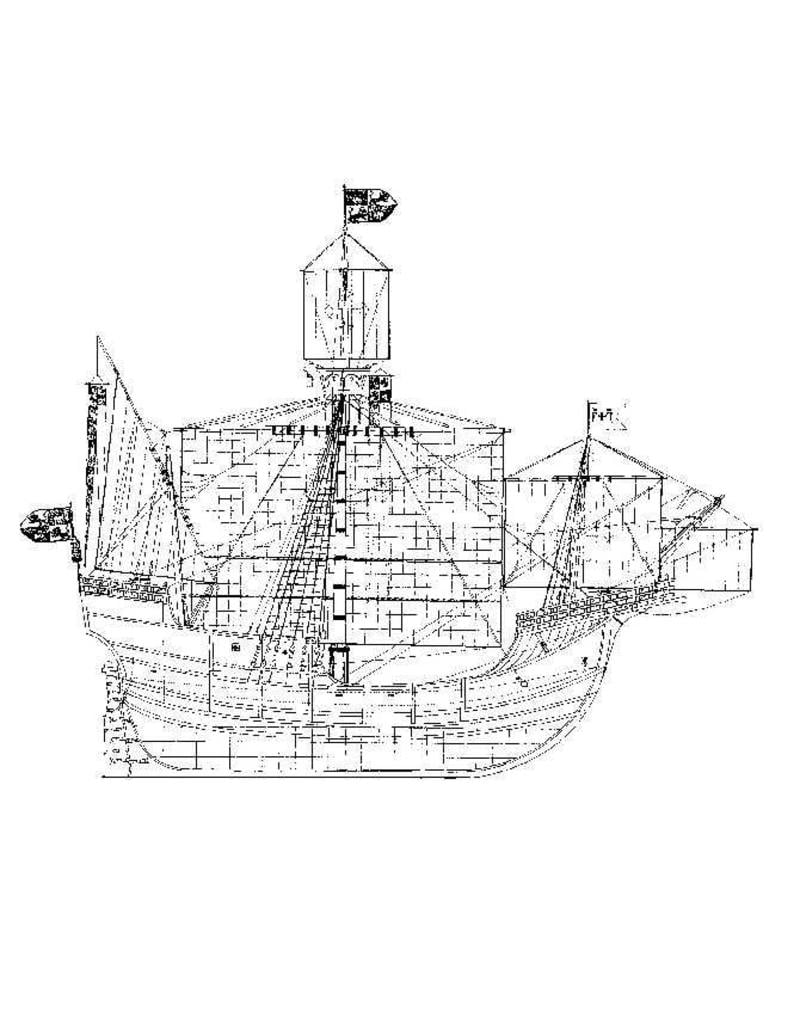
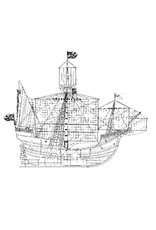
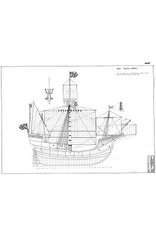
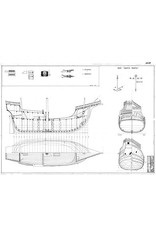
sp/lines; general plan; decks; sections |
|
|
Scale |
1 : 40 |
|
|
Number of A00 sheets |
0 |
|
|
Number of A0 sheets |
2 |
|
|
Number of A1 sheets |
0 |
|
|
Number of A2 sheets |
0 |
|
|
Number of A3 sheets |
0 |
|
|
Number of A4 sheets |
0 |
|
|
Number of A4 text sheets |
0 |
|
|
Weight in grams |
185 |
|
|
Particulars |
l.o.a. 83 cm |
|
|
Remarks |
||