| Article number: | 10.00.011 |
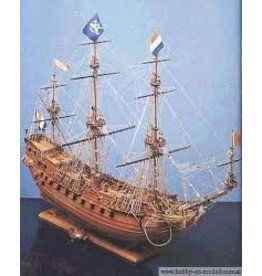
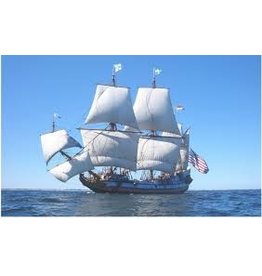
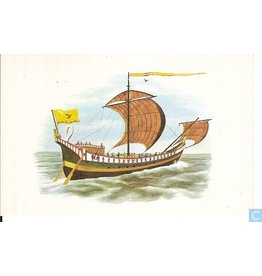
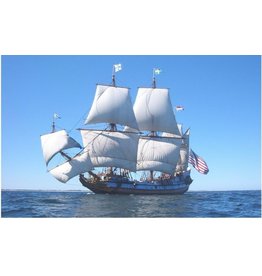
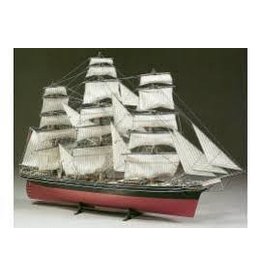
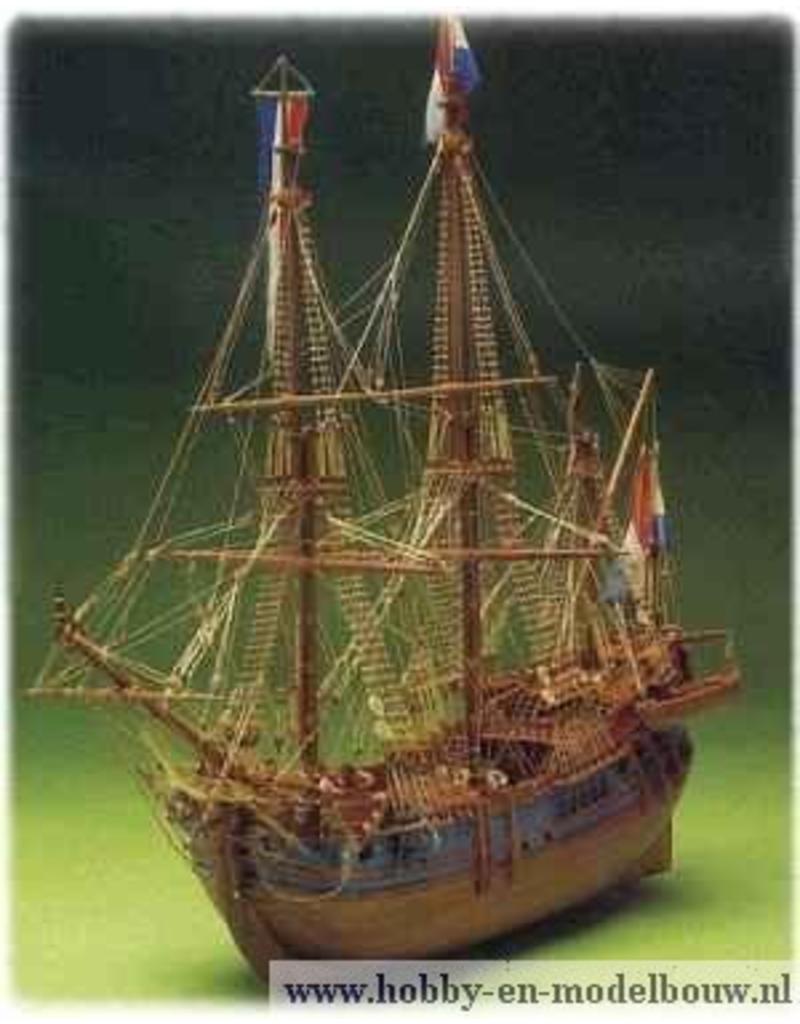
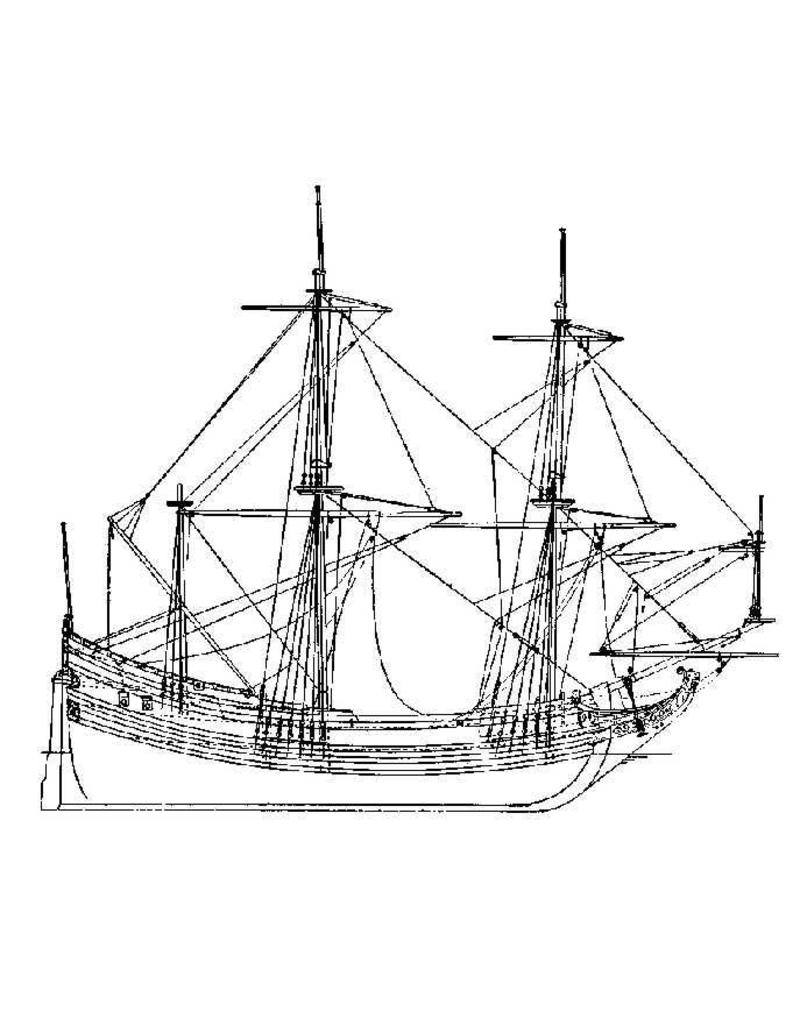
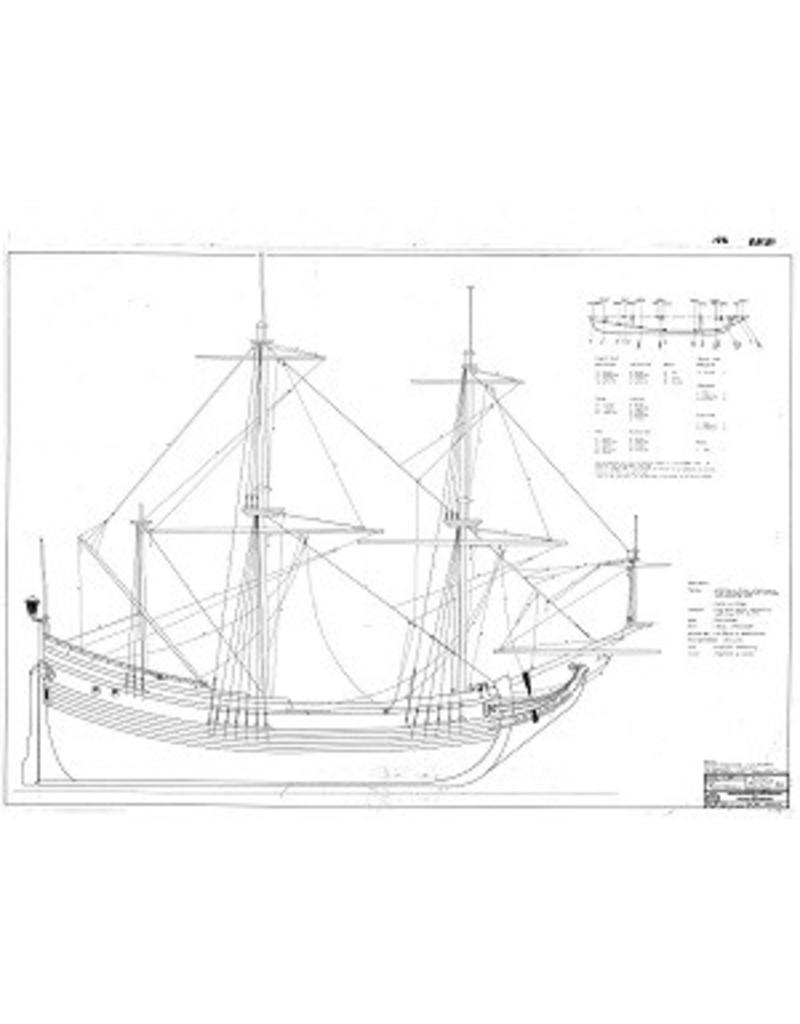
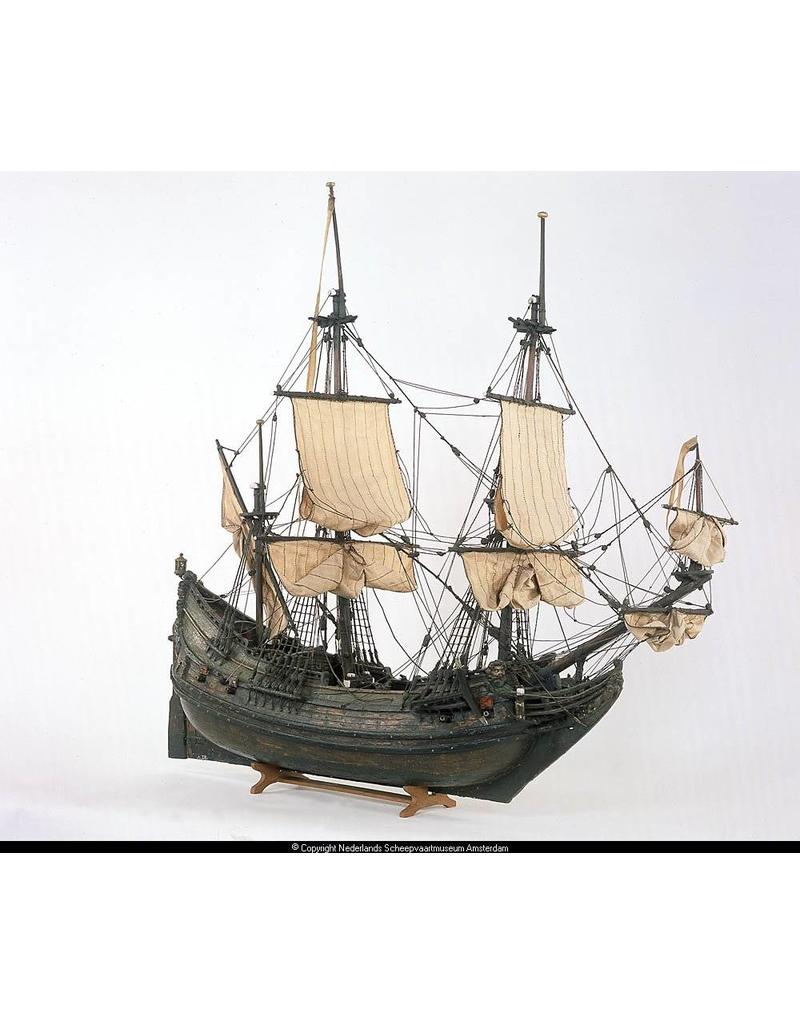
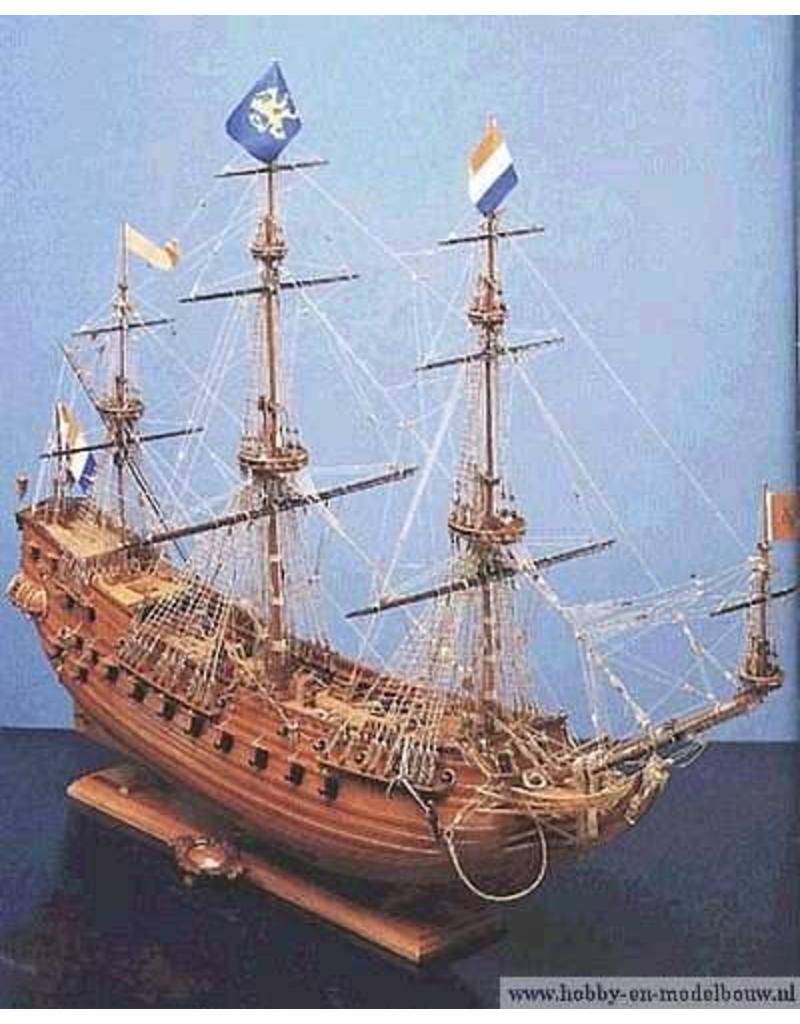
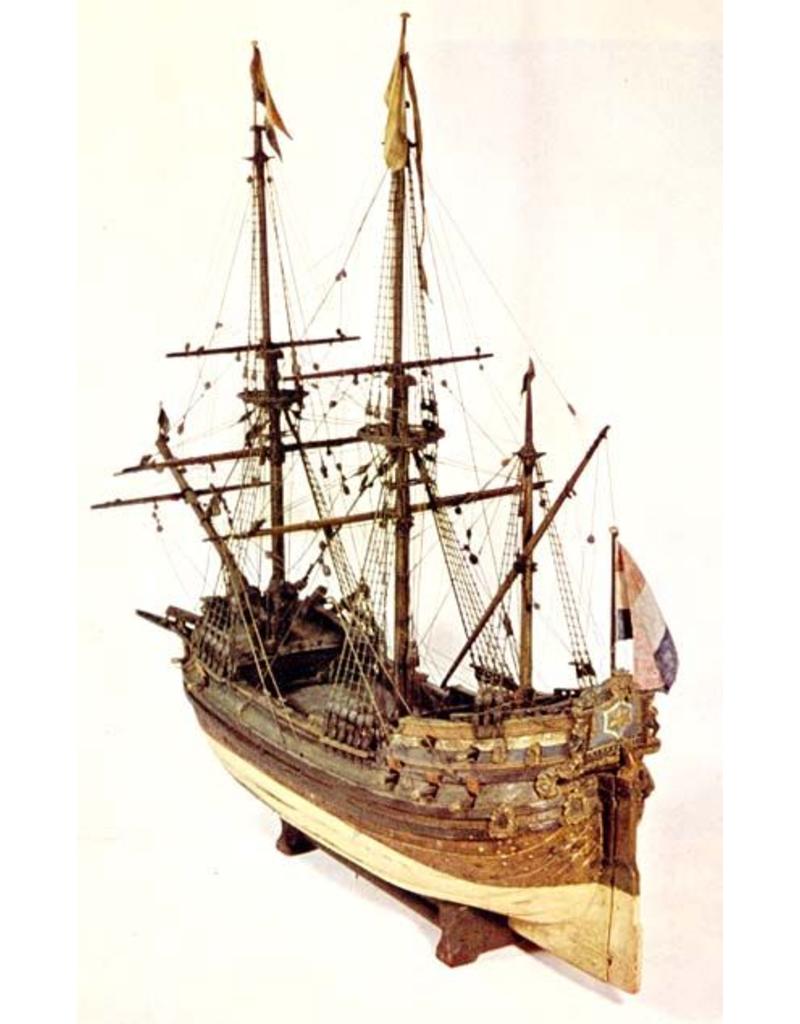
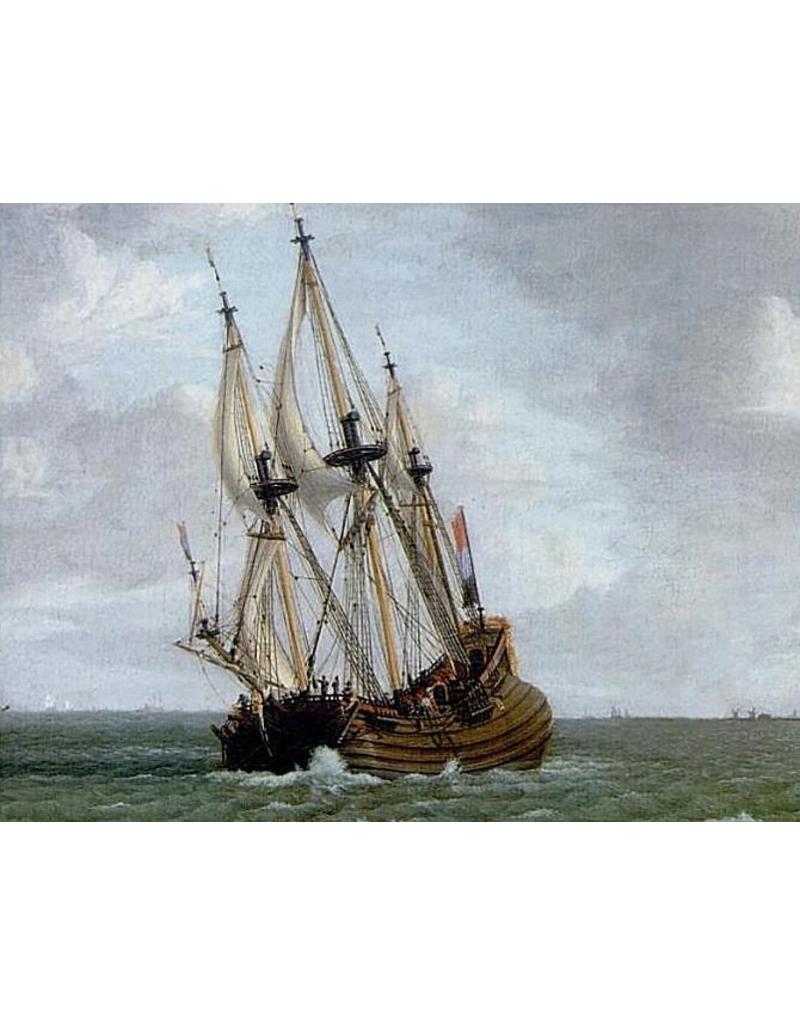
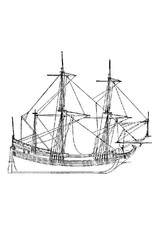
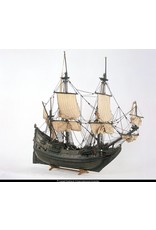
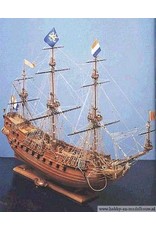
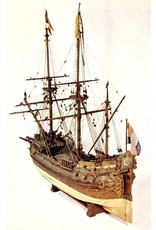
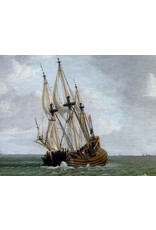
A Dutch fluyt ship from circa 1670 was a type of merchant vessel that was particularly popular in the 17th century, during the Dutch Golden Age. The fluyt became famous for its efficiency in trade, especially in transatlantic and East Indian trade. The fluyt was one of the most important ships for the Dutch East India Company (VOC) and other trading companies of that era.
The fluyt was a sailing ship designed for trade. It was a broad, deep and robust ship with a relatively simple design, which made it suitable for transporting large quantities of cargo over long distances.
Length: The fluyt was typically between 20 and 40 metres long, depending on the specific type and function.
Width: The width was often approximately 7 to 10 metres, which gave the fluyt a large cargo capacity.
Draught: The fluyt had a relatively deep hull, which made the ship more stable at sea and well-suited to heavy sea conditions.
Cargo capacity: The fluyt had a large cargo capacity for goods. This made it ideal for trading operations and transporting heavy loads such as spices, silver, textiles, and other valuable goods.
Hull: The fluyt had a broad hull and a relatively flat bottom, which gave the ship stability. This design was specifically engineered for long ocean voyages and had the ability to transport large quantities of goods with a small crew.
Sails: The fluyt usually had three masts and was often equipped with lateen sails, which enabled the ship to sail quickly. It used an advanced sail plan, making the fluyt relatively fast for a ship of its size and tonnage.
Although the fluyt was primarily intended for trade, in some cases the ship also had limited armament. Especially if the ship was part of a merchant fleet sailing to the East or West Indies, it was often equipped with cannons for defence against pirates or hostile ships.
The Dutch fluyt was one of the most important ships for Dutch trade during the 17th century. This type of ship was indispensable for the VOC, which traded with Asia, and the WIC, which focused on the American colonies and the transatlantic slave trade. The fluyt had an enormous impact on world trade and contributed to the prosperity of the Netherlands during the Golden Age.
VOC (Dutch East India Company): The VOC used fluyts for the spice trade in Asia. The fluyts were the workhorses of the long trading voyages to the East Indian islands, where they transported spices such as pepper, nutmeg, and cloves to Europe.
WIC (Dutch West India Company): The WIC used fluyts for trade in the West Indian region. This included the trade in sugar, tobacco, and the slave trade. The fluyts were also involved in military operations in the Caribbean and the war against the Spanish and Portuguese colonies.
Cost-benefit ratio: The fluyt was relatively inexpensive to build compared to larger warships, yet it had a large cargo capacity and was suitable for long voyages. This made the ship particularly well-suited for the busy trade routes of the 17th century.
Efficiency in construction: The fluyt was built with relatively little wood, making it cheaper to produce than other ships of that era. This increased profitability for merchants and explorers.
Sail technology: The fluyt utilised advanced sail technology that enabled the ship to sail quickly across the ocean, despite often carrying large cargoes. The ship could even navigate through shallower waters, which was useful during trading voyages to remote ports and islands.
Specifications :
|
Drawing number |
10.00.011 |
|
|
Description |
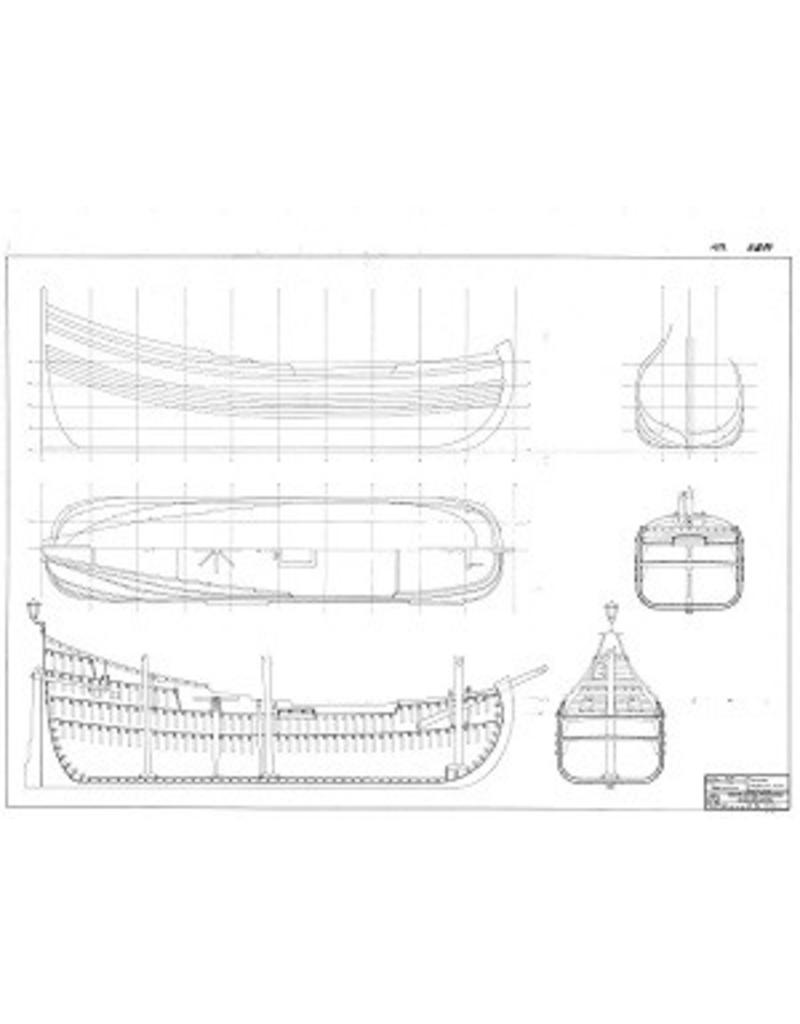
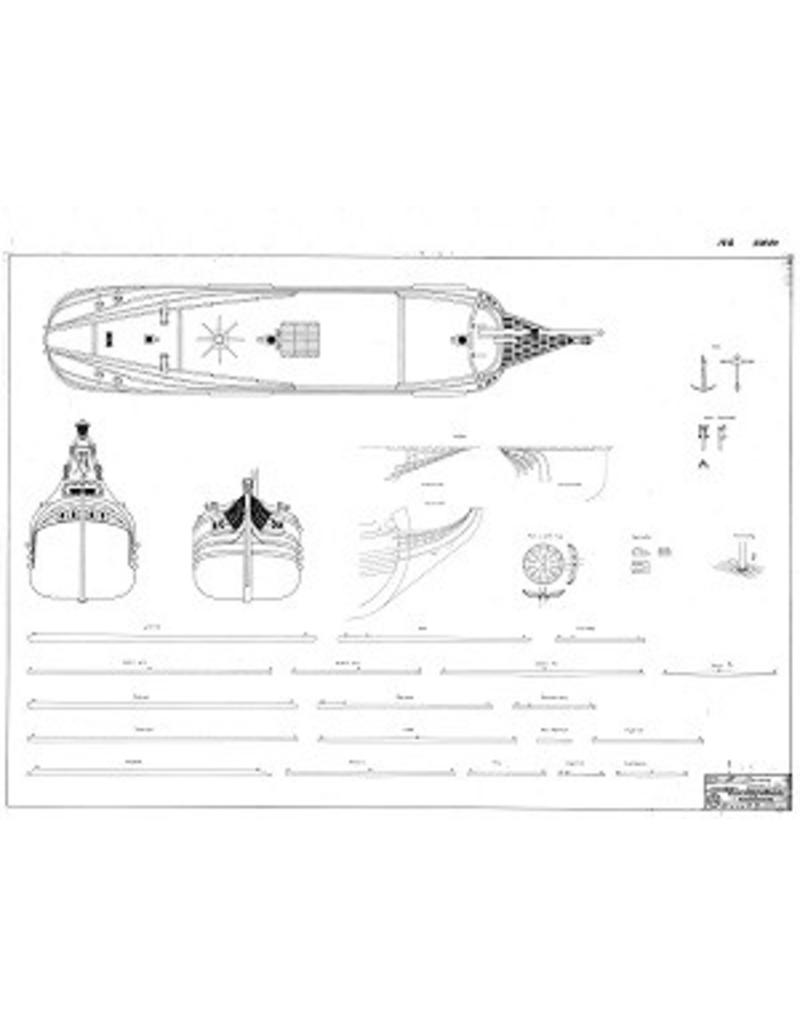
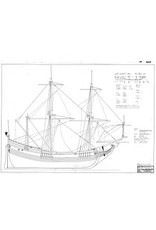
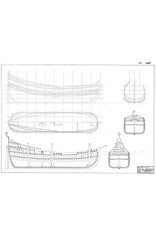
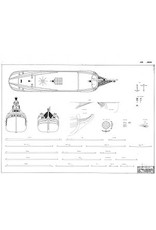
Dutch fluyt ship (c. 1670) |
|
|
Quality |
frames/lines; general plan/rigging plan; decks; sections; details |
|
|
Scale |
1 : 50 |
|
|
Number of A00 sheets |
0 |
|
|
Number of A0 sheets |
3 |
|
|
Number of A1 sheets |
0 |
|
|
Number of A2 sheets |
0 |
|
|
Number of A3 sheets |
0 |
|
|
Number of A4 sheets |
0 |
|
|
Number of A4 text sheets |
0 |
|
|
Weight in grams |
265 |
|
|
Particulars |
l.o.a. 93 cm |
|
|
Remarks |
||