| Article number: | 10.01.017 |
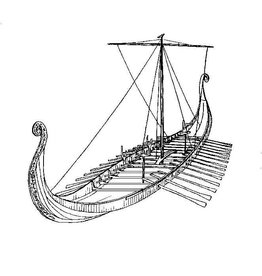
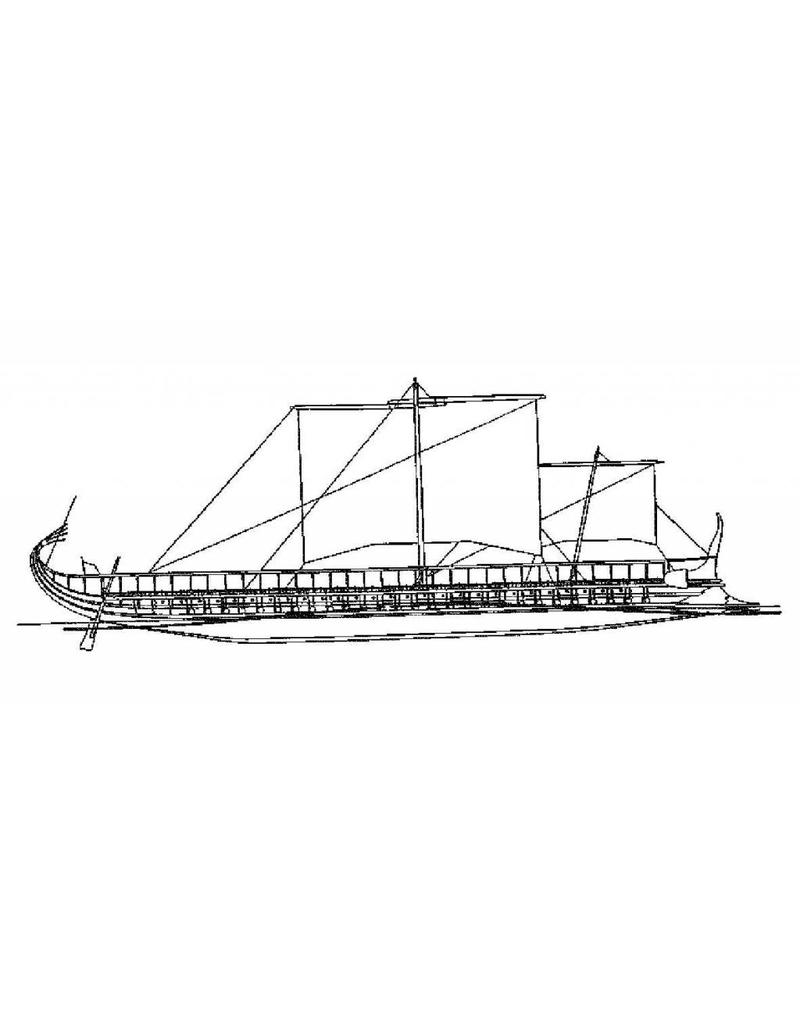
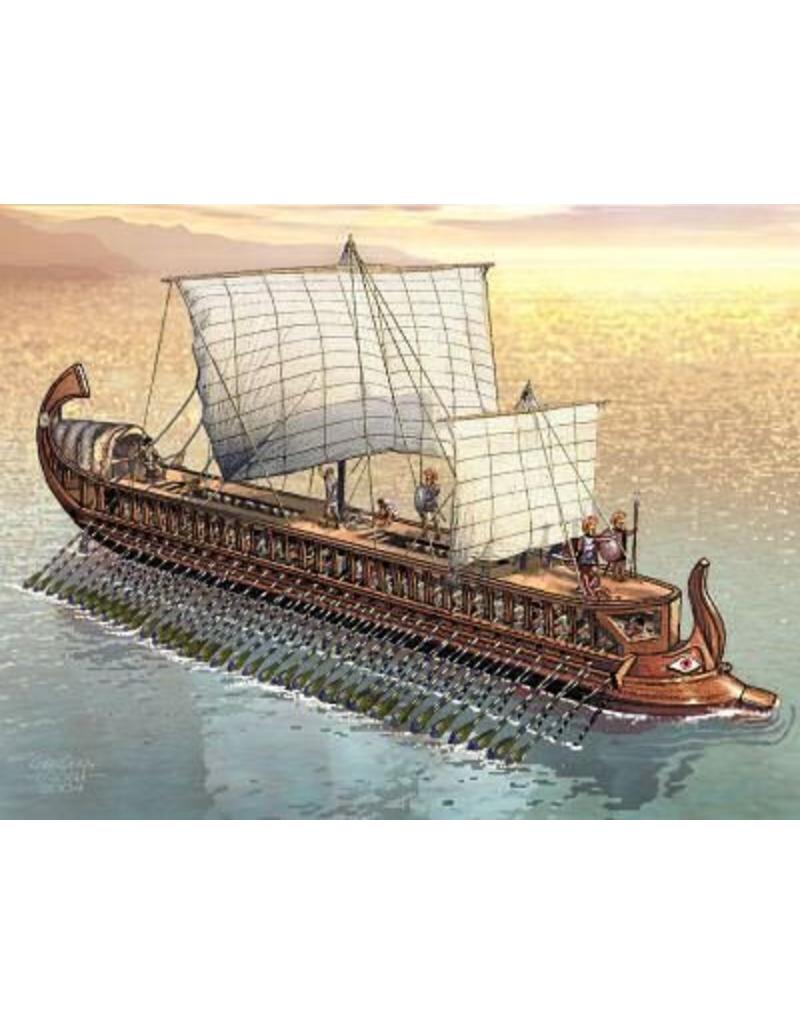
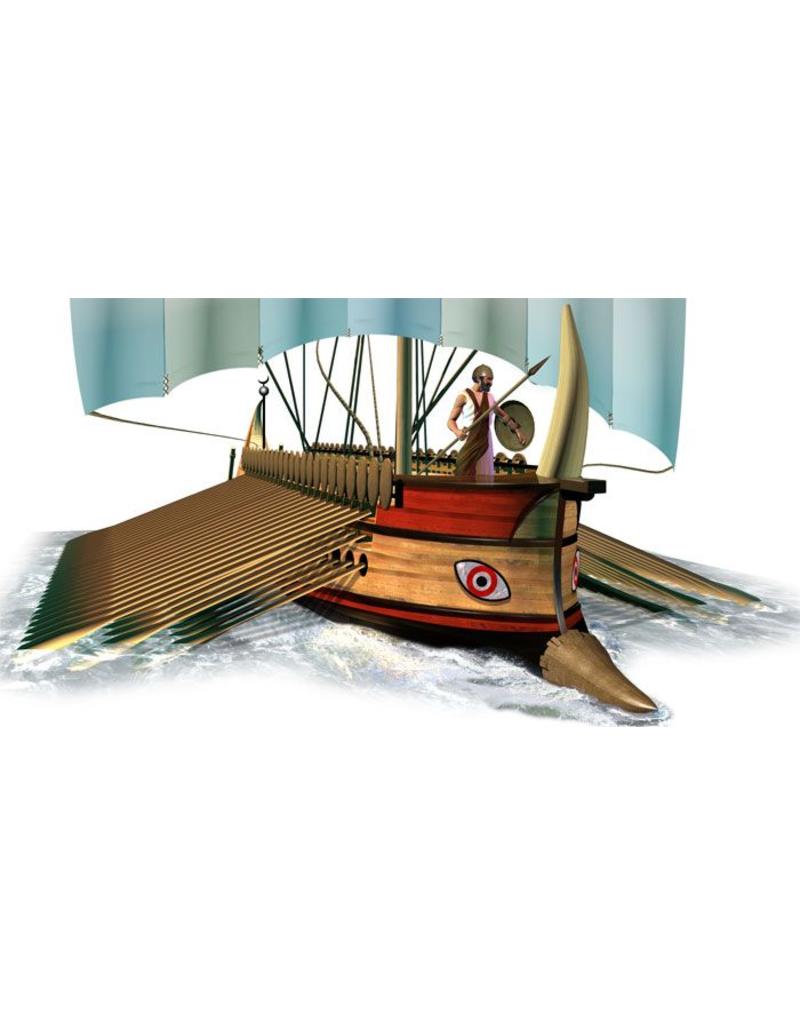
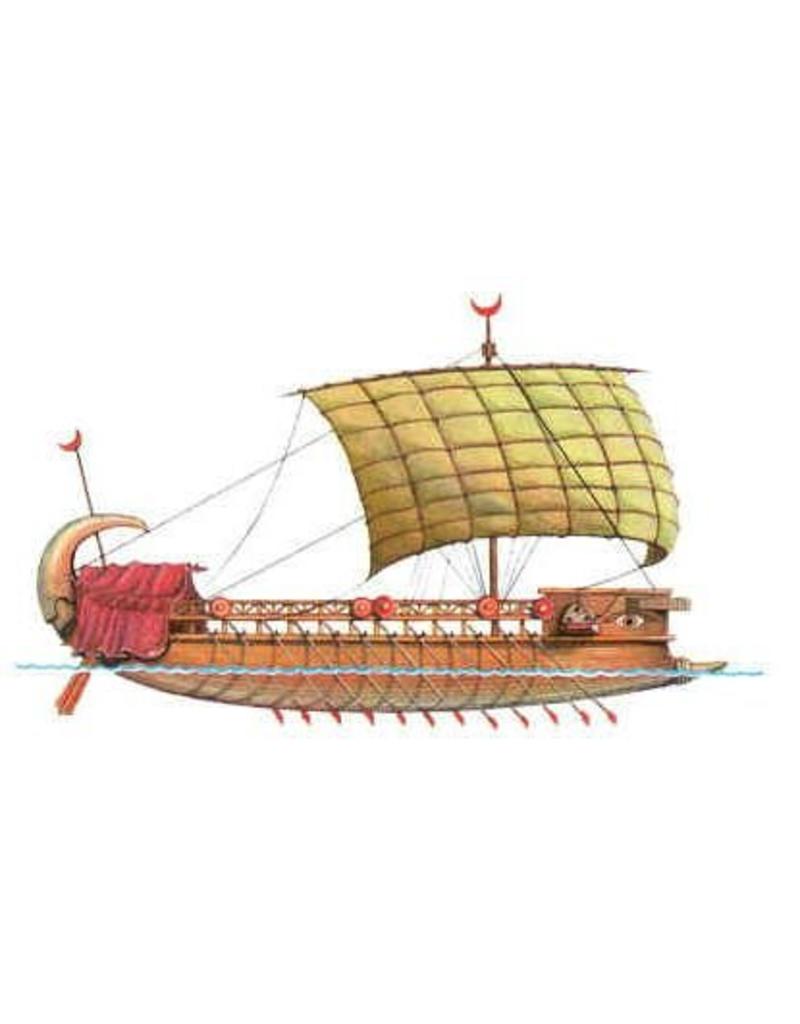
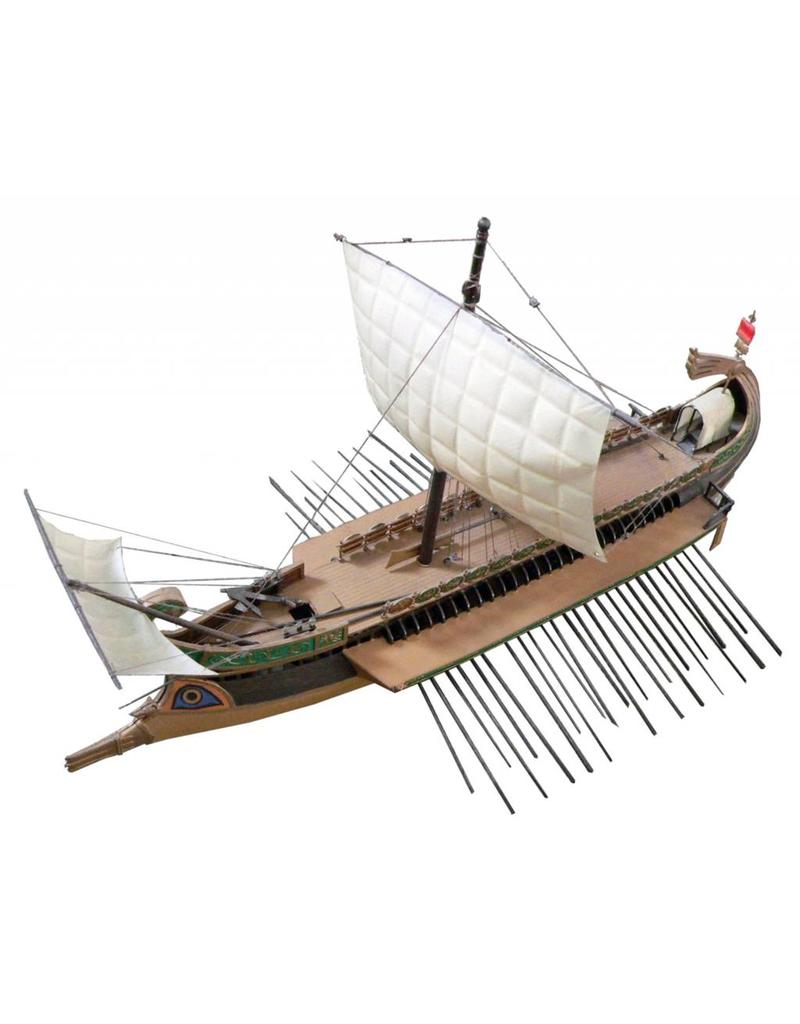
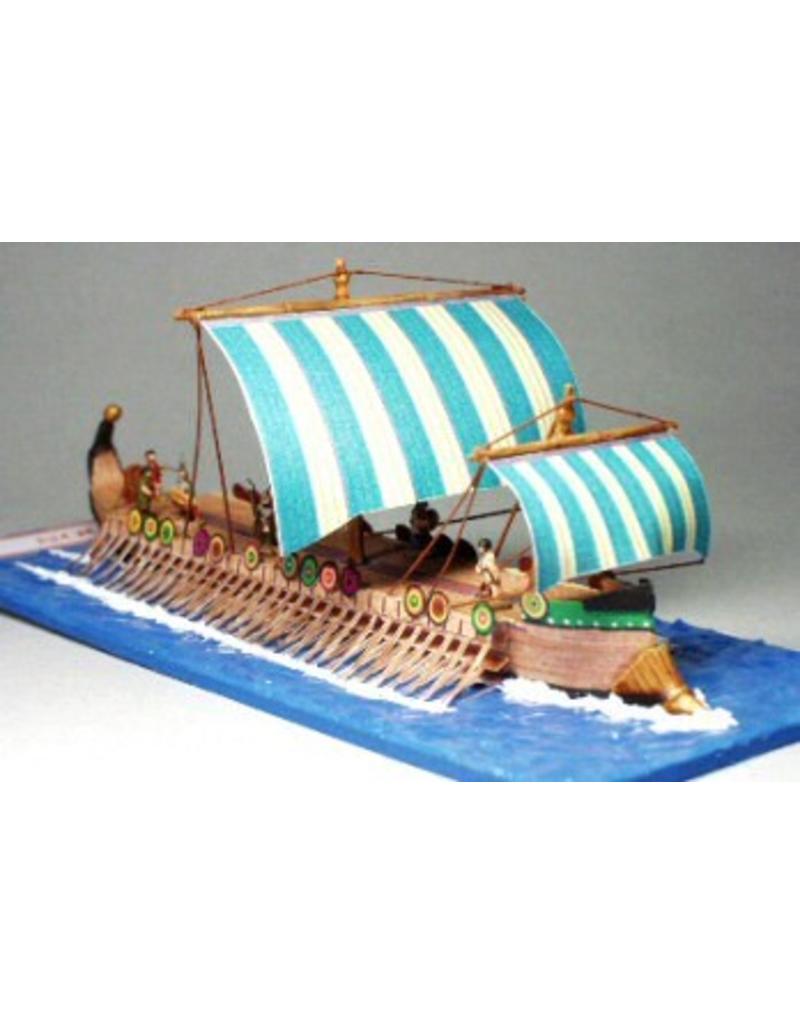
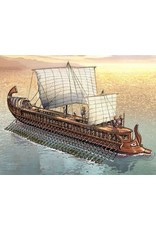
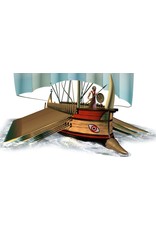
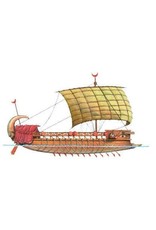
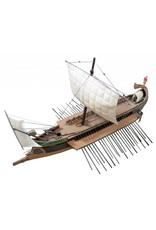
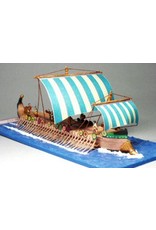
A trireme was a type of warship that became famous in the ancient world, especially in the Mediterranean region. The term "trireme" comes from the Greek word "triērēs", meaning "three rows", referring to the three rows of oarsmen that propelled the ship.
Number of oarsmen: A trireme had three rows of oarsmen per side (upper, middle, and lower row), which made it a fast and agile warship.
Length: Triremes were usually about 35 to 40 metres long.
Weapons: They were equipped with a bronze ram at the front, which they could use to ram and destroy other ships.
Usage: Triremes were primarily used for sea battles, where rapid manoeuvres were essential. They were deployed in battles where speed and the ability to ram other ships were of great importance.
The Phoenician trireme was one of the first types of triremes developed by the Phoenicians, and the Phoenicians were very influential in the early development of maritime technology. They were a naval power from ancient Phoenicia (the area that stretched across parts of present-day Lebanon, Syria, and Israel). The Phoenicians were famous for their shipping and trade, but they also used advanced warships like the trireme to defend and expand their interests.
Triremes were mainly used by the Greeks and Romans, but the Phoenicians had a great influence on early navigation in the Mediterranean Sea. The Greeks perfected the trireme in the 5th century BC, with famous ships such as the Athenian trireme participating in the Battle of Salamis in 480 BC.
The Phoenicians used triremes for warfare and protection of trade routes, but they also played an important role in spreading maritime technology to other civilisations.
Triremes were eventually replaced by larger and less manoeuvrable ships, such as quadriremes (four rows of oarsmen) and quinqueremes (five rows of oarsmen), but they remain a symbol of ancient naval power and innovation in shipbuilding.
Specifications :
|
Drawing number |
10.01.017 |
|
Description |
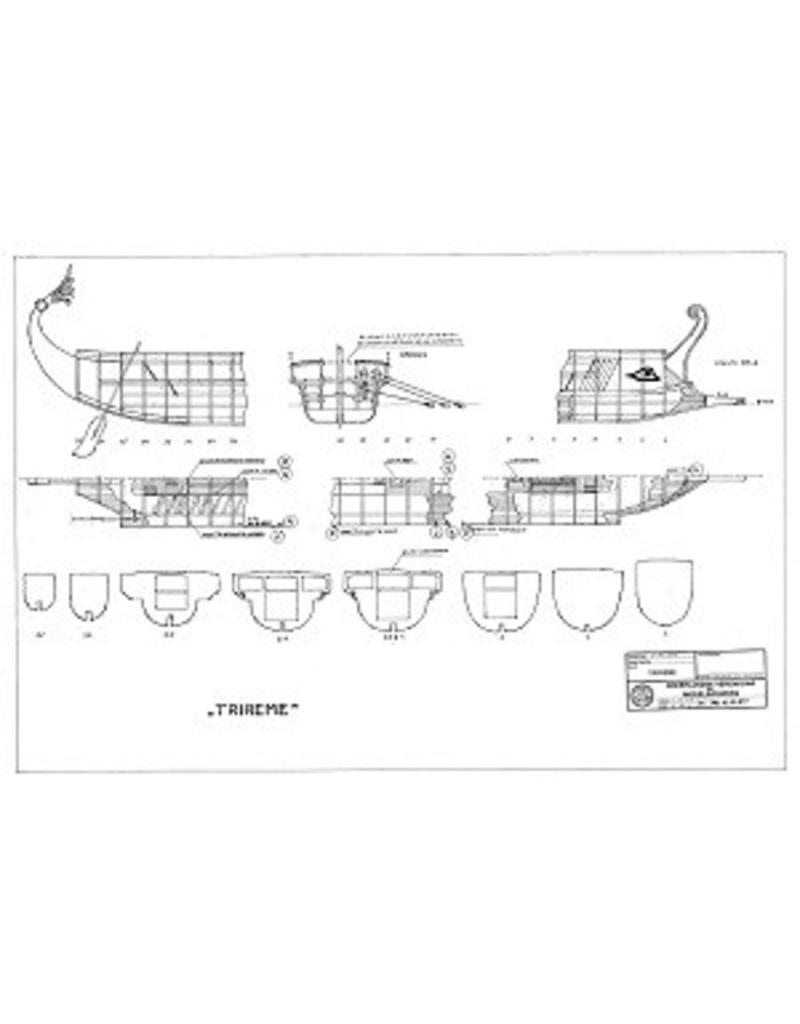
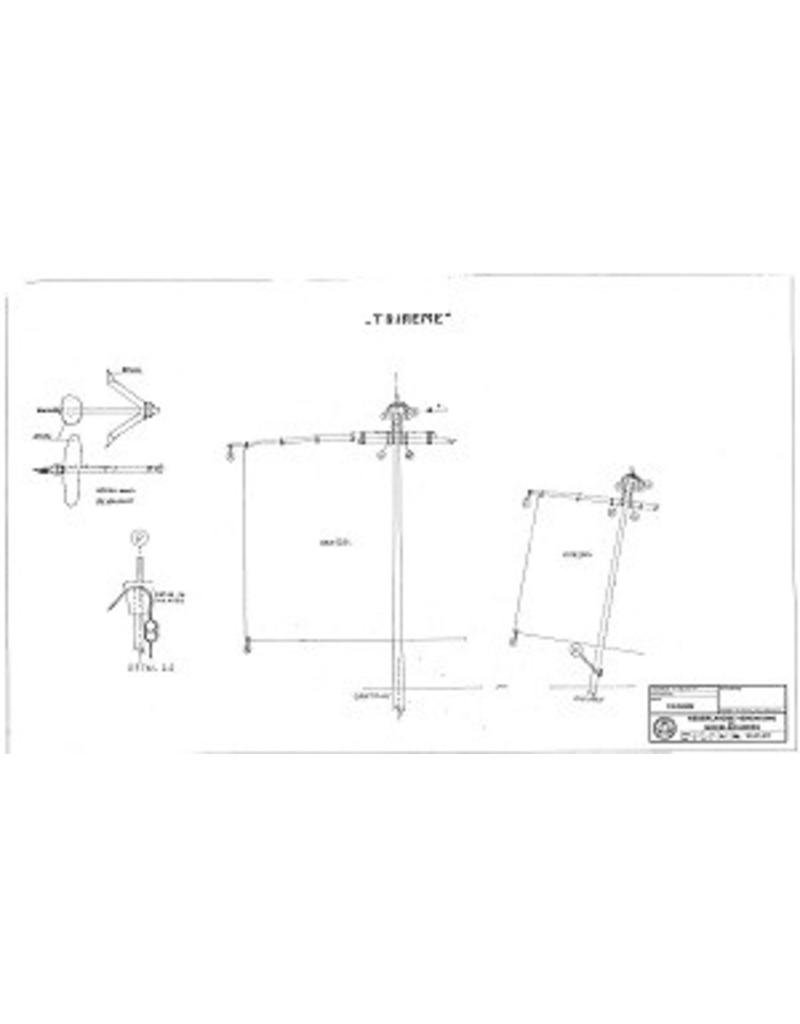
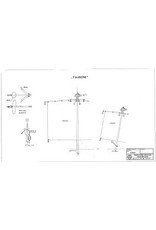
Trireme, Phoenician warship |
|
Quality |
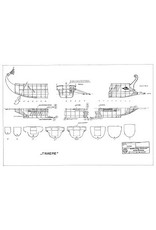
sections; rigging; some details |
|
Scale |
0 |
|
Number of sheets A00 |
0 |
|
Number of sheets A0 |
0 |
|
Number of sheets A1 |
0 |
|
Number of sheets A2 |
2 |
|
Number of sheets A3 |
0 |
|
Number of sheets A4 |
0 |
|
Total number of drawing sheets |
2 |
|
Number of A4 text sheets |
0 |
|
Weight in grams |
65 |
|
Special features |
l.o.a. 64 cm |
|
Remarks |
no contract; rights and ownership donated |