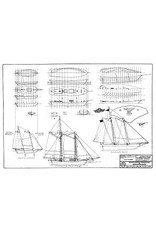
| Article number: | 10.02.006 |
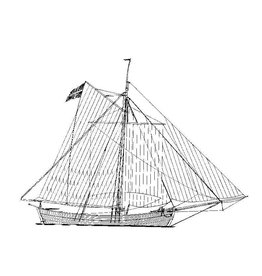
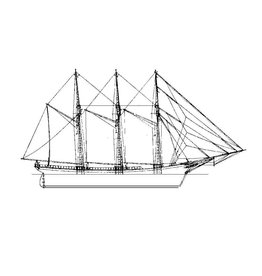
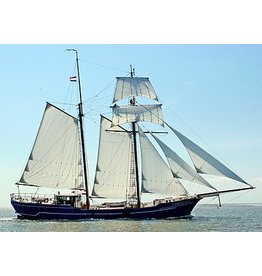
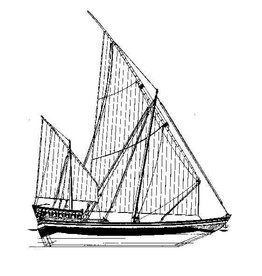
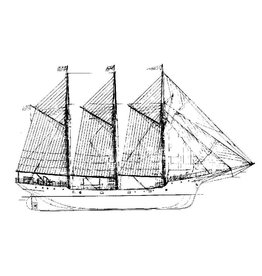
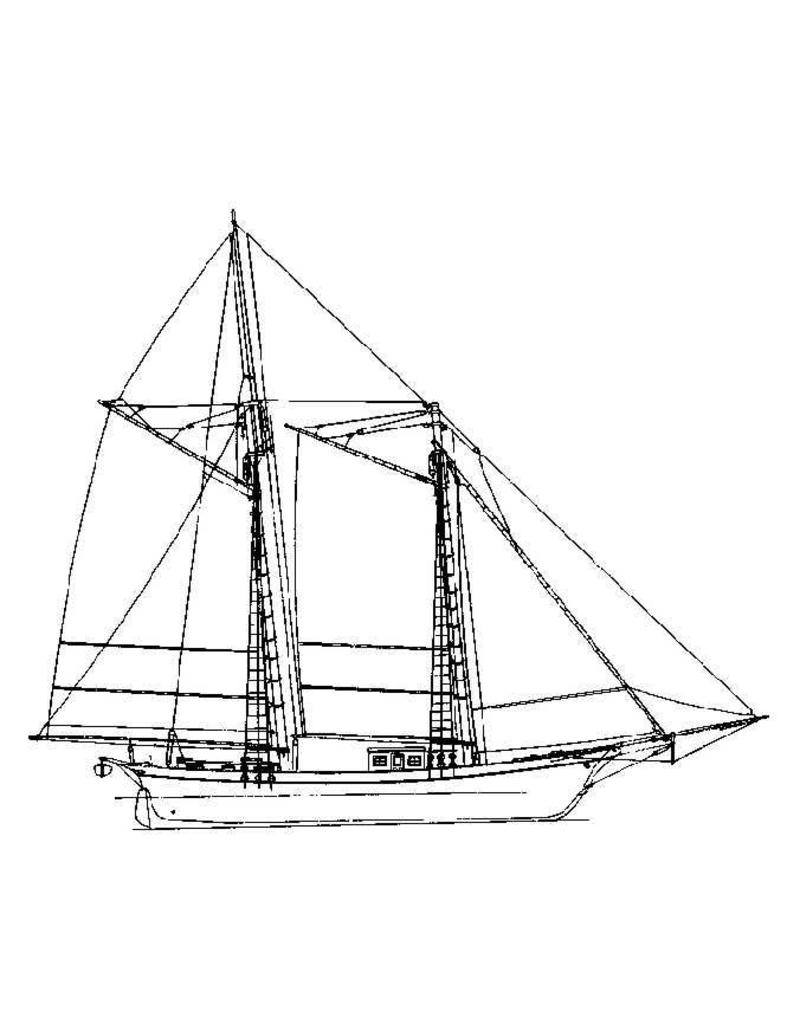
Mid-19th-century American coastal schooners were an important type of sailing ship in the United States, best known for their speed, manoeuvrability and suitability for coastal trade. These ships were widely used for both commercial and military purposes and played a crucial role in the development of the American maritime industry and trade in the 19th century.
Design and structure:
The coastal schooner was a two- or three-masted vessel with a relatively narrow hull and a long waterline. This made it particularly fast and manoeuvrable.
The ships had a raked bow, which enabled them to sail well into the wind and manoeuvre effectively, particularly in shallow or restricted waters such as those along the American coasts.
Coastal schooners often had a hollow keel and a sharper hull, which made them particularly well-suited to coastal navigation and reaching remote ports.
Sails and rigging:
They were equipped with square sails and mainsails, often fitted with jibs and staysails, which enabled them to sail both quickly and efficiently.
The two-masted design was typical of the American coastal schooner, with the aft mast being larger than the foremast. This made the ship very stable, yet fast.
Topsails were sometimes added to increase speed, particularly on long voyages along the coast or in open water.
Use and function:
Trade: Coastal schooners were widely used for domestic trade between the various ports along the east coast of the United States. They carried goods such as grain, cotton, tobacco and textiles.
Fishing: Another important role was in fishing, particularly along the north-east coast of the US, where they were used to transport fish and seafood.
Military purposes: Coastal schooners were sometimes deployed during the American Civil War (1861–1865), where they were used for both patrolling and blockades, as well as for smuggling activities.
Speed and manoeuvrability:
The schooner was particularly fast in the relatively shallow waters of the American coast. It had excellent sailing characteristics, which made it possible to sail quickly from port to port, even against the wind.
The schooner was also extremely manoeuvrable, making it ideal for navigating in shallow waters or for navigating narrow passages.
Typical dimensions:
The length of an American coastal schooner varied, but the vessel was usually between 15 and 30 metres long.
Tonnage also varied depending on size, but coastal schooners were usually medium-sized vessels, suitable for transporting goods over short distances, although some larger versions were also capable of interregional travel.
Coastal trade: American coastal schooners played a significant role in the transport of goods along the Atlantic coast, from the New England region to the Southern states. They were essential to economic activity in the 19th century, when trade along the east coast and to the Caribbean, South America and Europe was a major pillar of the American economy.
Innovations in shipbuilding: The successful designs of the American coastal schooner influenced later types of ships, such as the clipper and the barque. Their speed and efficient use of sails were later adopted by other vessels.
In the 19th century, American coastal schooners were often associated with the emerging American Maritime Heritage, and their images appear regularly in the art and literature of the time.
Ships such as the ‘Spray’ (owned by the famous seafaring author Joshua Slocum) were also inspired by this type of design, and even though they fell out of favour in later periods, the image of the fast and agile coastal schooner remains an iconic part of American maritime history.
The American coastal schooner of the mid-19th century was thus a powerful symbol of the early American merchant fleet, renowned for its speed, manoeuvrability and ability to effectively serve the coastlines of the United States in both peacetime and wartime.
Specifications:
|
Drawing number |
10.02.006 |
|
Author |
H. Picard |
|
Description |
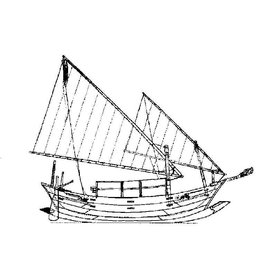
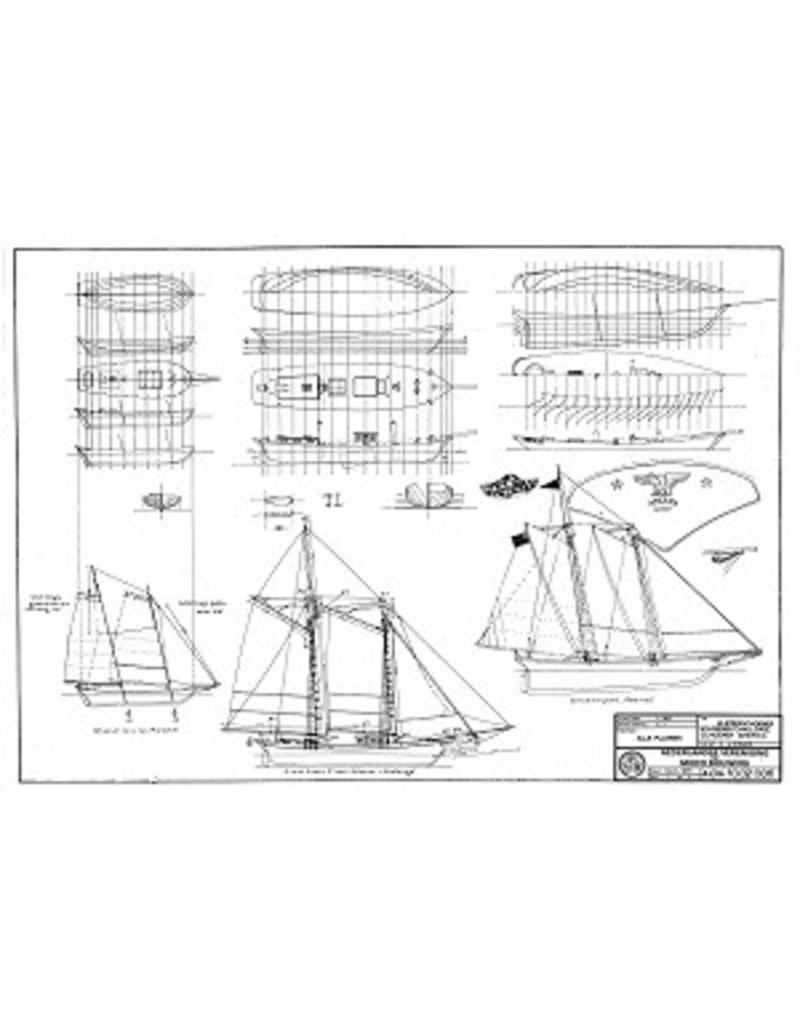
3 American coastal schooners; mid-19th century |
|
Quality |
scale/lines; deck plan; view/rigging plan |
|
Scale |
1 : 200 |
|
Number of sheets A00 |
0 |
|
Number of A0 sheets |
0 |
|
Number of A1 sheets |
0 |
|
Number of A2 sheets |
1 |
|
Number of A3 sheets |
0 |
|
Number of A4 sheets |
0 |
|
Total number of drawing sheets |
1 |
|
Number of A4 text sheets |
0 |
|
Weight in grams |
45 |
|
Details |
L.W. 22 cm, 22 cm, 12 cm. |