| Article number: | 10.02.007 |
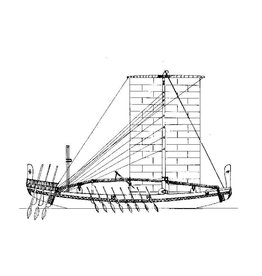
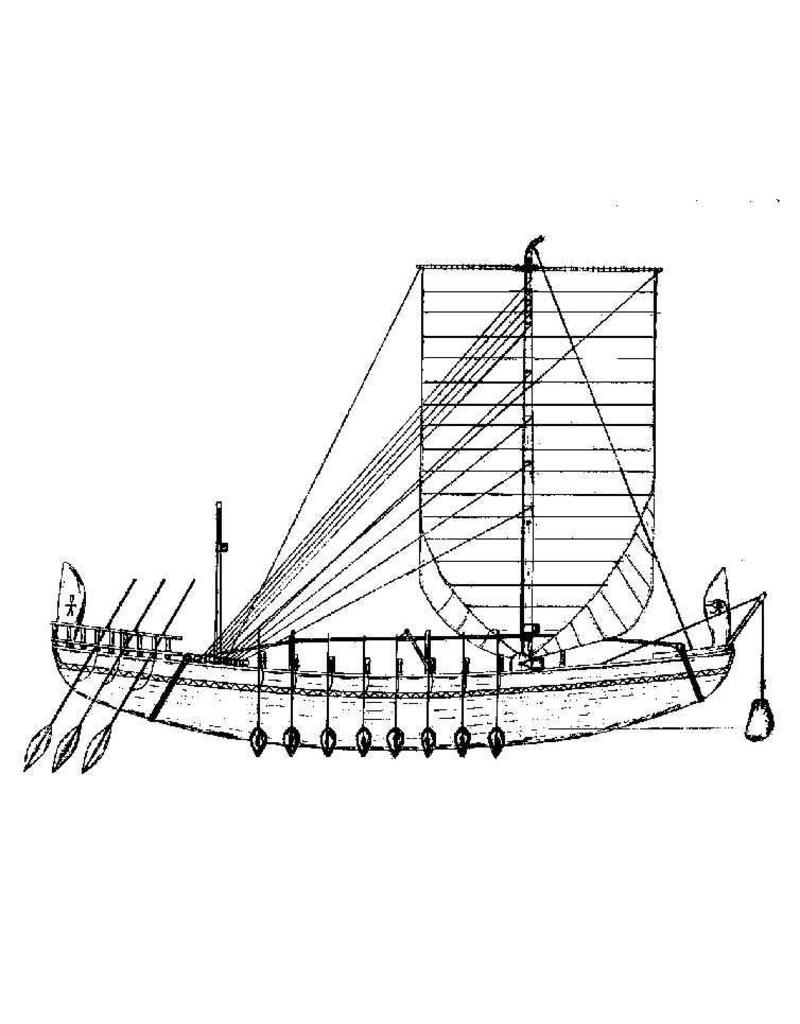
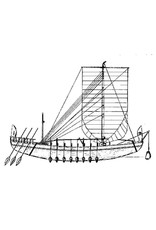
An ancient Egyptian cargo ship was an essential part of trade and transport in ancient Egypt. They were mainly used to transport goods along the Nile, but also to carry goods to other parts of the Mediterranean region and the Near East. This type of ship would have had different features and designs depending on the period, but here are some general characteristics of an Egyptian cargo ship:
Construction materials:
The ships were mainly made of wood, often from local species such as tamarisk, acacia, and sycamore. Wooden planks were fastened together with ropes or wooden pegs, as the technology for metal screws or nails did not yet exist at that time.
Shape:
Cargo ships from ancient Egypt often had a long, narrow shape and a flat bottom, enabling them to navigate the shallow waters of the Nile with ease.
The bow was often slightly upturned, allowing the ship to glide more easily through the water.
Sails and Oars:
Egyptian cargo ships usually had a sail that used the wind to sail down the Nile, although the Nile’s currents were also often used for transport in a particular direction.
Oars were used when the wind was unfavourable, or when the ship had to sail against the current.
Size:
The size of an Egyptian cargo ship varied, but in general they were long and wide, enabling them to carry large quantities of goods. Some cargo ships could be up to 30 metres long.
Larger ships had multiple decks for storage, whilst smaller ships were often used for shorter distances.
Cargo:
Cargo ships were mainly used to transport grain, building materials such as stone and sand, timber, and luxury goods such as papyrus and linen.
They were also used to transport minerals such as copper, stone and other materials for the construction of pyramids, temples and other monuments.
Navigation:
Ships were often steered by a helmsman working at the stern. Larger ships had several rowers working at the sides.
The use of the Nile’s current was important for transport, as this river was a vital lifeline for the entire country.
Ships in ancient Egypt also had symbolic value. They were often associated with the idea of the journey to the afterlife, as seen in the discovery of a ritual ship in the tomb of Pharaoh Cheops (Khufu). This boat was buried in a nearby tomb and was believed to assist the pharaoh’s journey to the afterlife. It was regarded as a symbol of the passage and life after death.
One of the most famous finds of an Egyptian ship is the Cheops Ship, which was discovered in 1954 in a well near the Great Pyramid of Giza. This ship, which is approximately 4,500 years old, is considered one of the best-preserved examples of an ancient Egyptian ship. It was found in 14 pieces and has since helped us learn a great deal about the shipbuilding techniques of that era.
Egyptian cargo ships were undeniably an essential part of the economy and daily life of ancient Egypt. They played a crucial role in trade, the transport of goods and the support of monumental construction projects. Their design reflects the sophistication and ingenuity of the ancient Egyptians in utilising the natural resources and technologies available to them.
Specifications:
|
Drawing number |
10.02.007 |
|
Description |
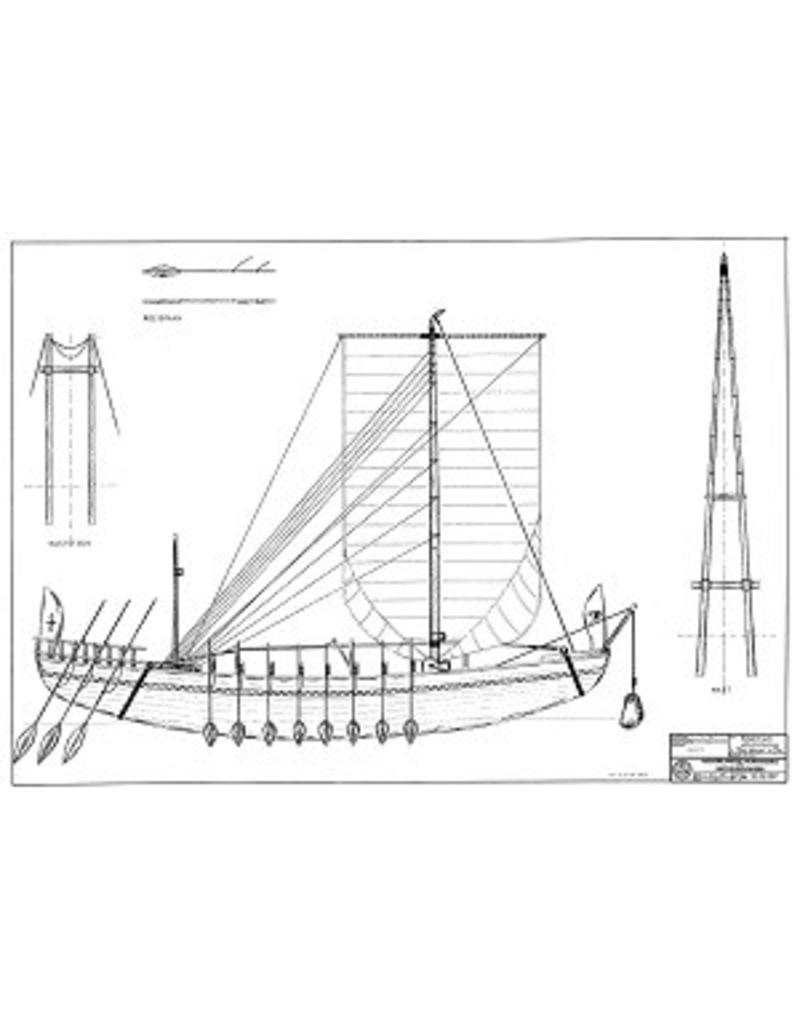
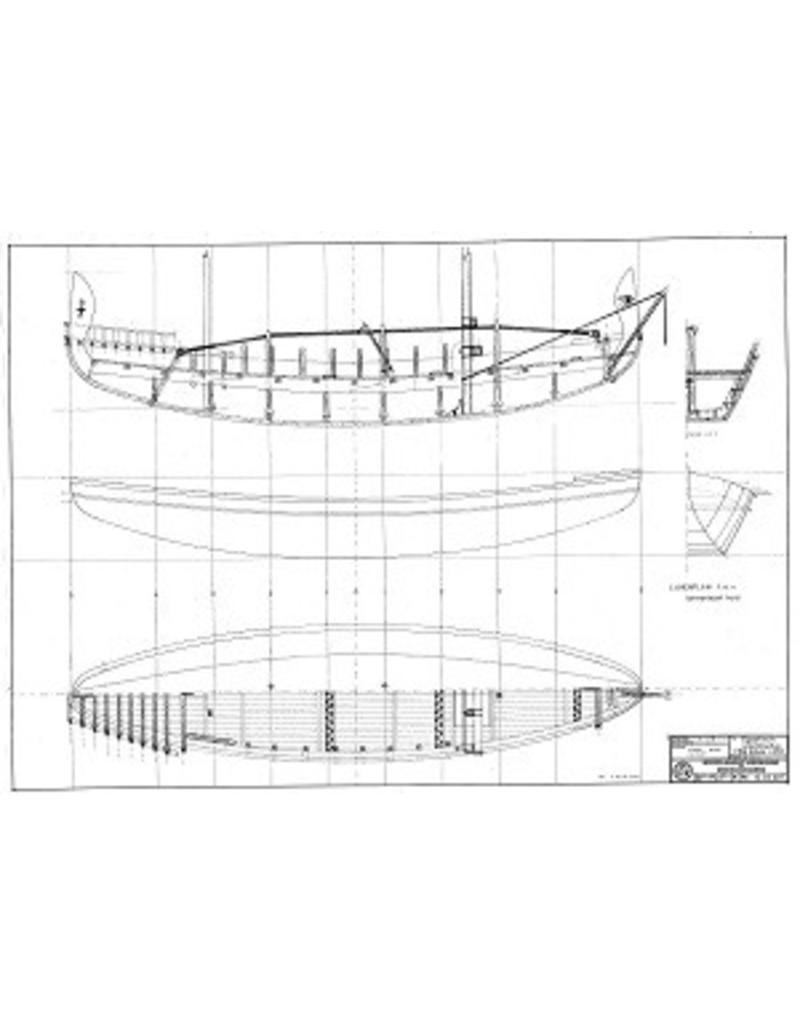
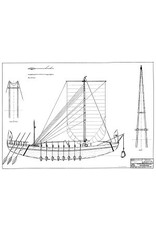
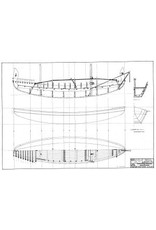
Egyptian cargo ship (c. 2500 BC) |
|
Quality |
line drawing; longitudinal section; deck plan; rigging plan; details |
|
Scale |
1 : 50 |
|
Number of sheets A00 |
0 |
|
Number of A0 sheets |
0 |
|
Number of A1 sheets |
2 |
|
Number of A2 sheets |
0 |
|
Number of A3 sheets |
0 |
|
Number of A4 sheets |
0 |
|
Total number of drawing sheets |
2 |
|
Number of A4 text pages |
0 |
|
Weight in grams |
105 |
|
Details |
Total length 64 cm |
|
Remarks |