| Article number: | 10.10.002 |
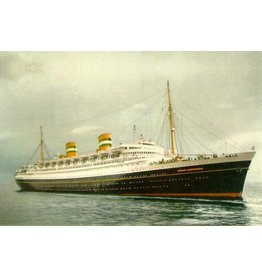
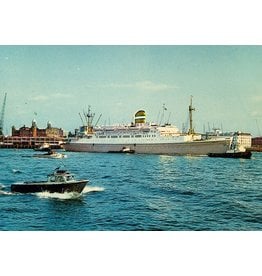
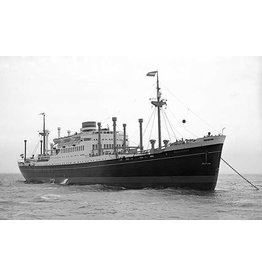
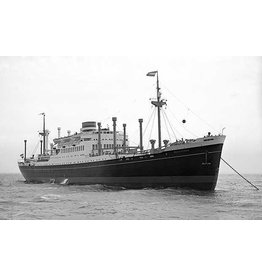
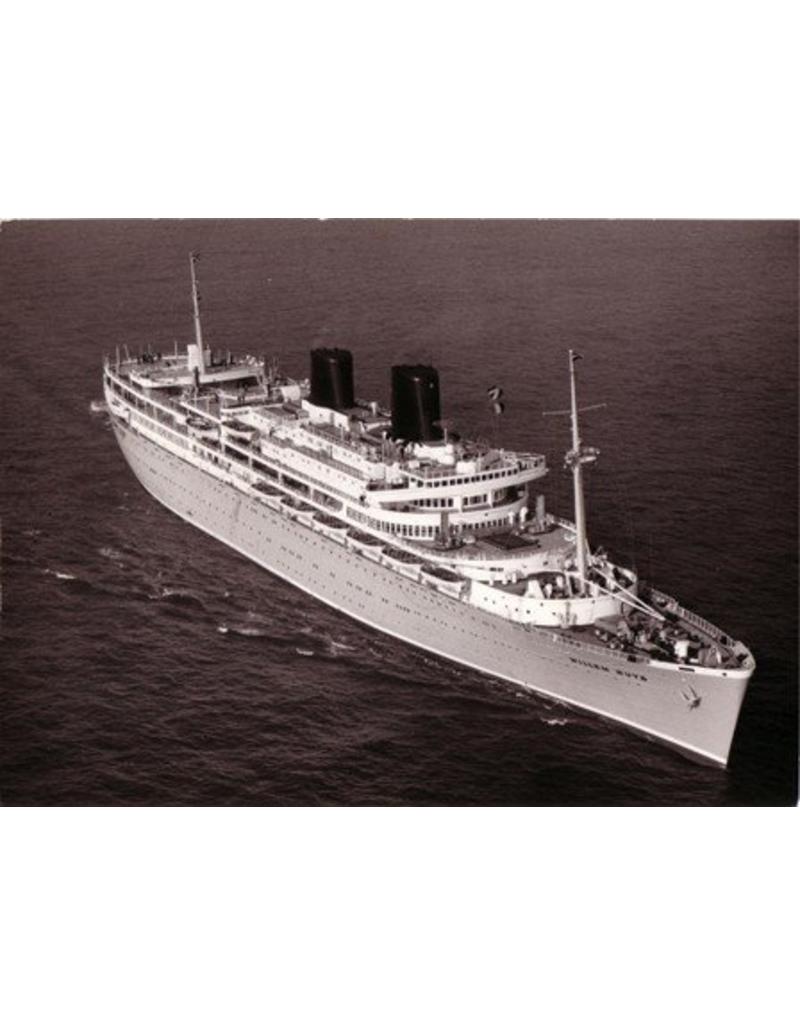
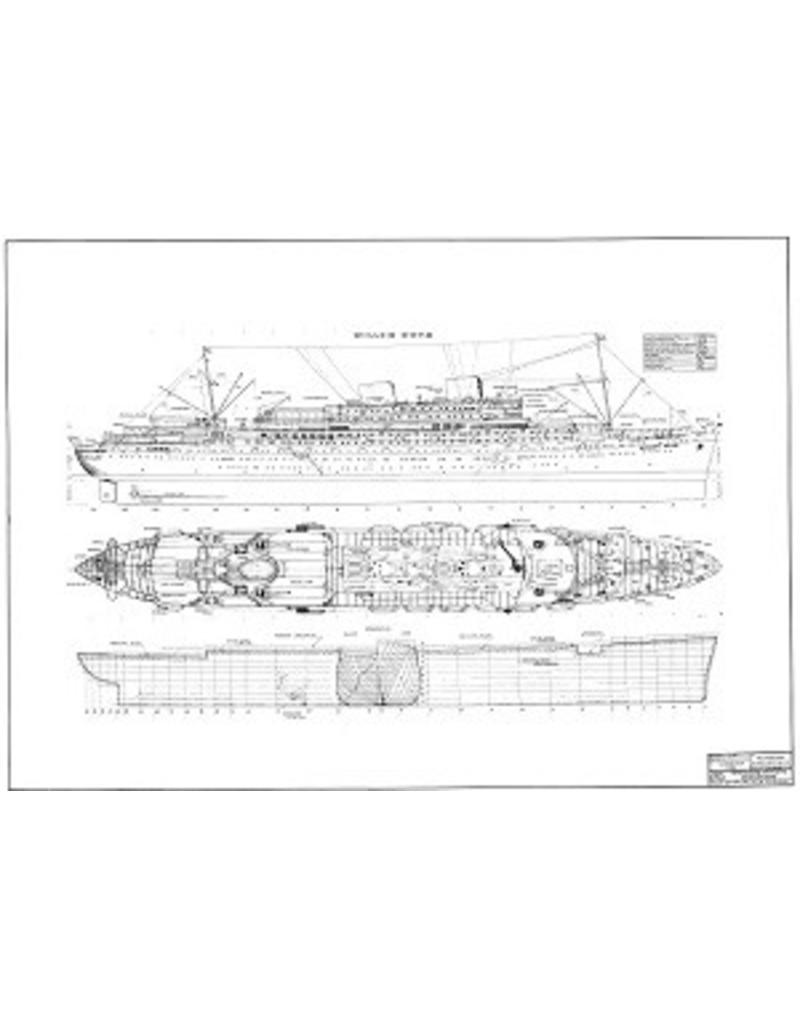
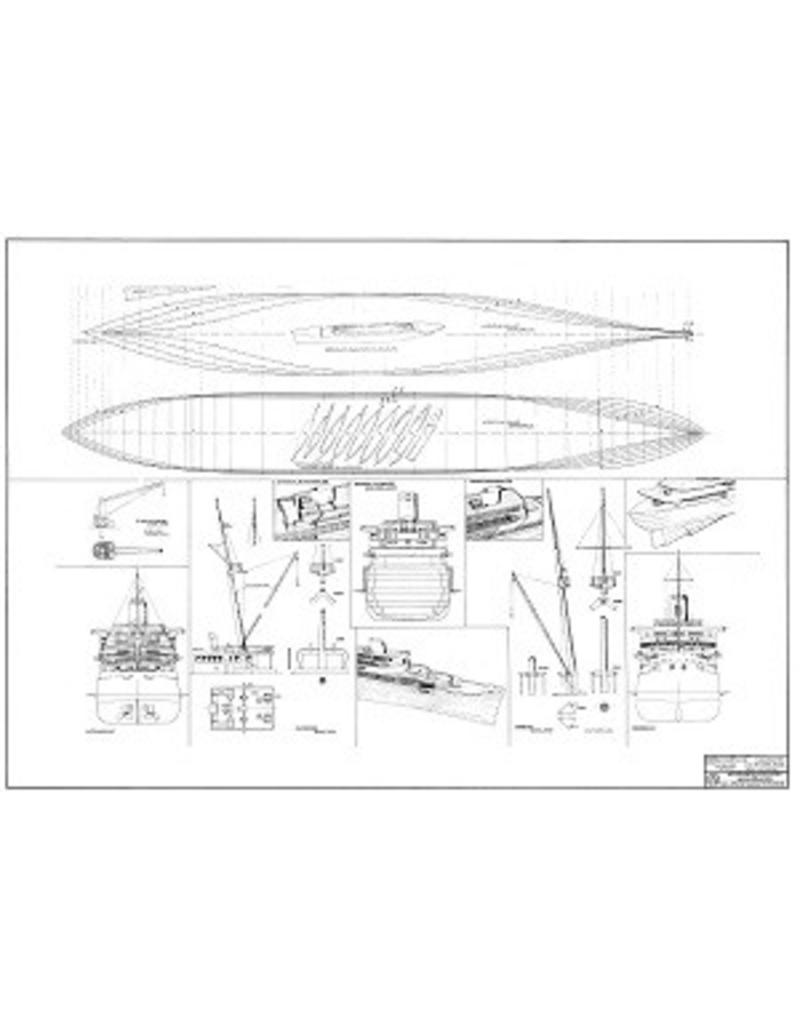
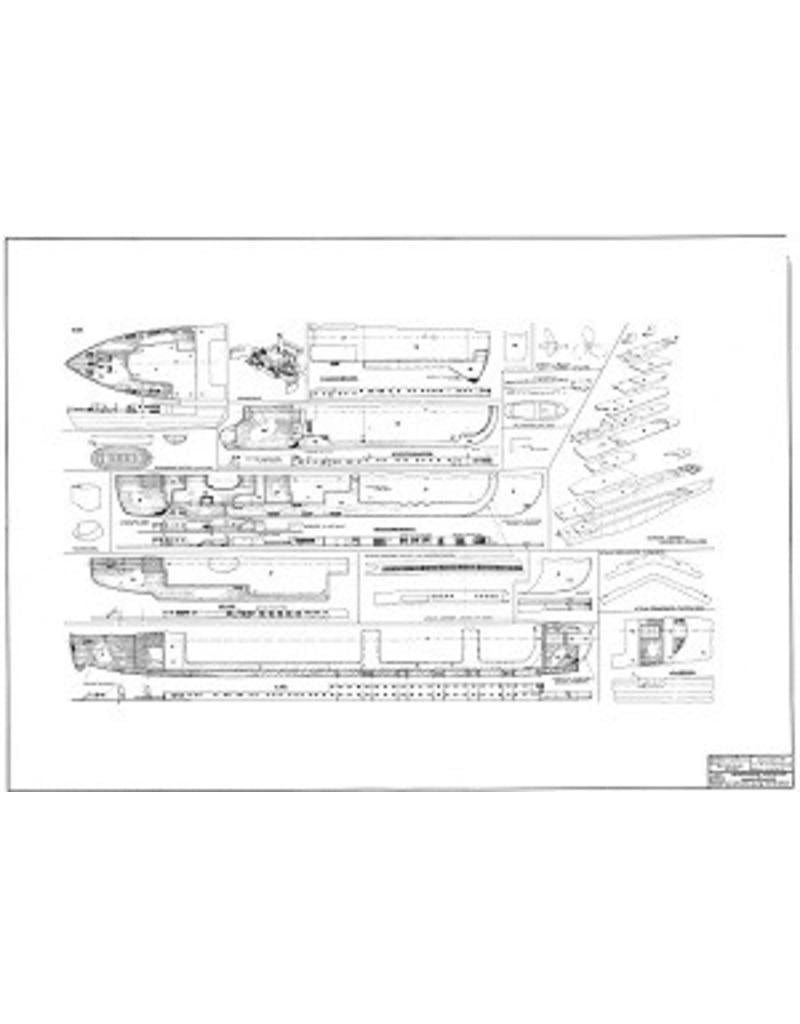
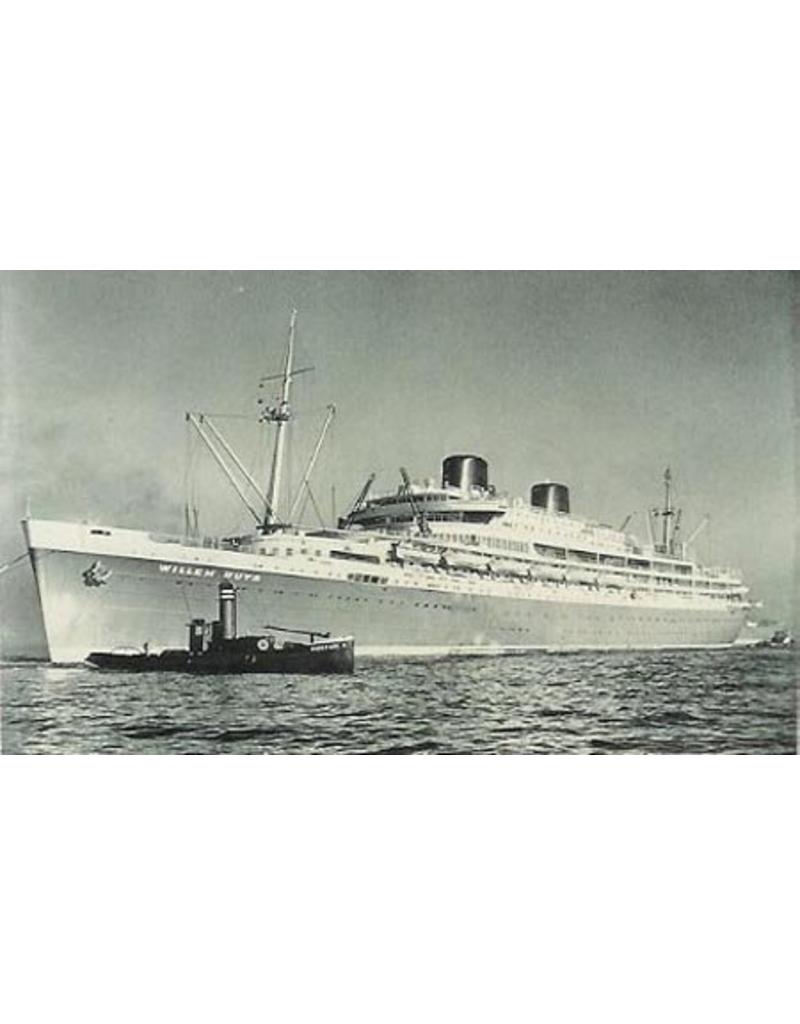
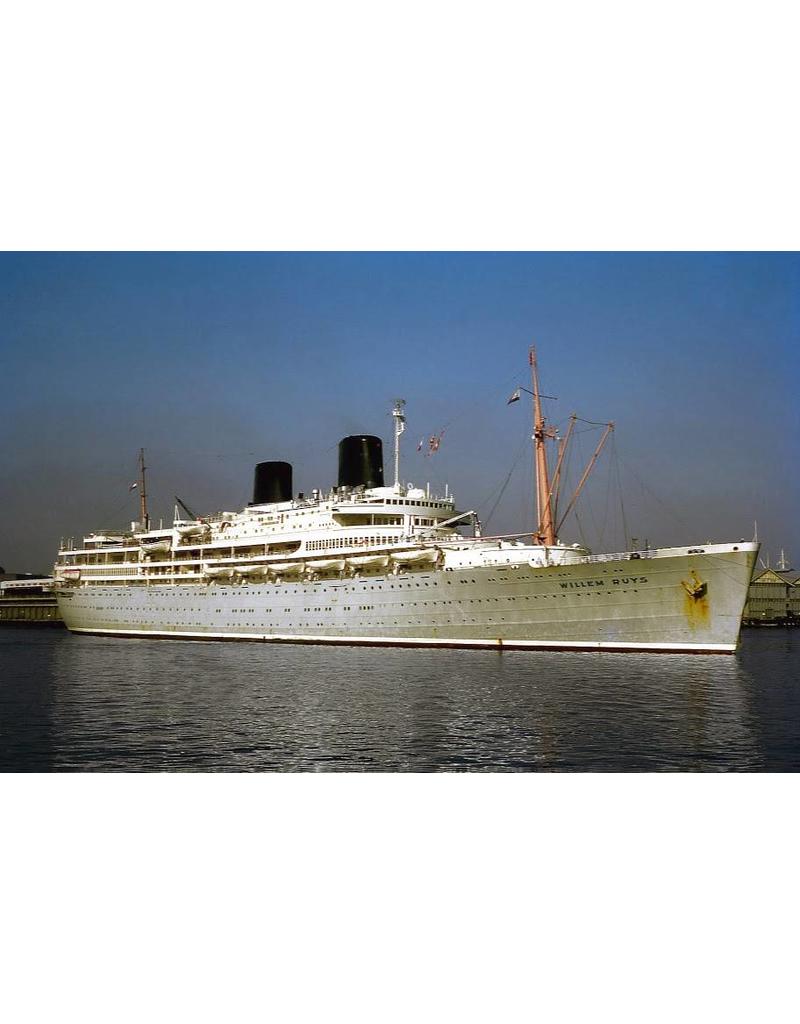
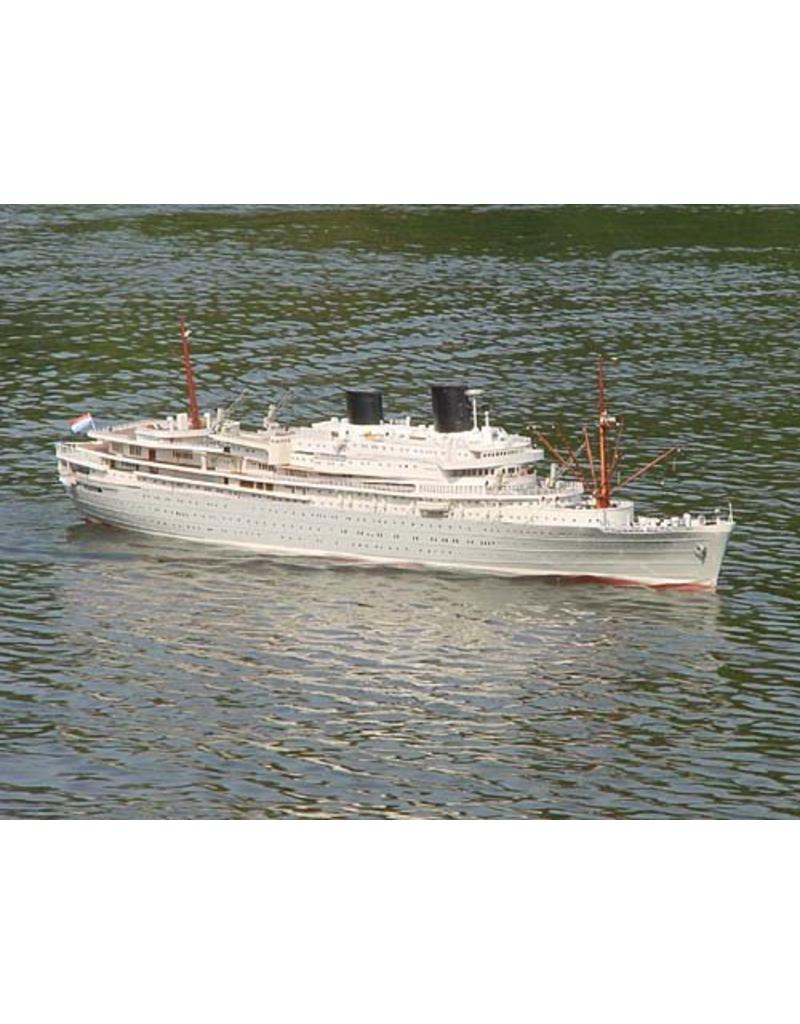
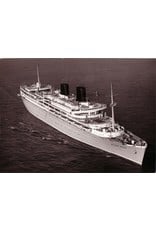
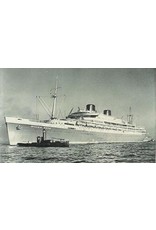
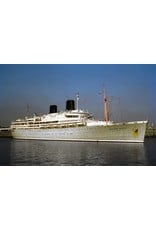
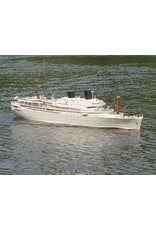
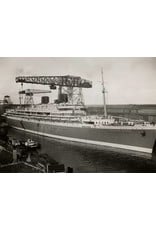
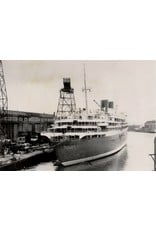
The motor vessel Willem Ruys was built between 1938 and 1947 as a passenger ship for the Koninklijke Rotterdamsche Lloyd. As an Italian cruise ship under the name Achille Lauro, the vessel became famous for its hijacking in 1985 and the fire and sinking in 1994.
Construction
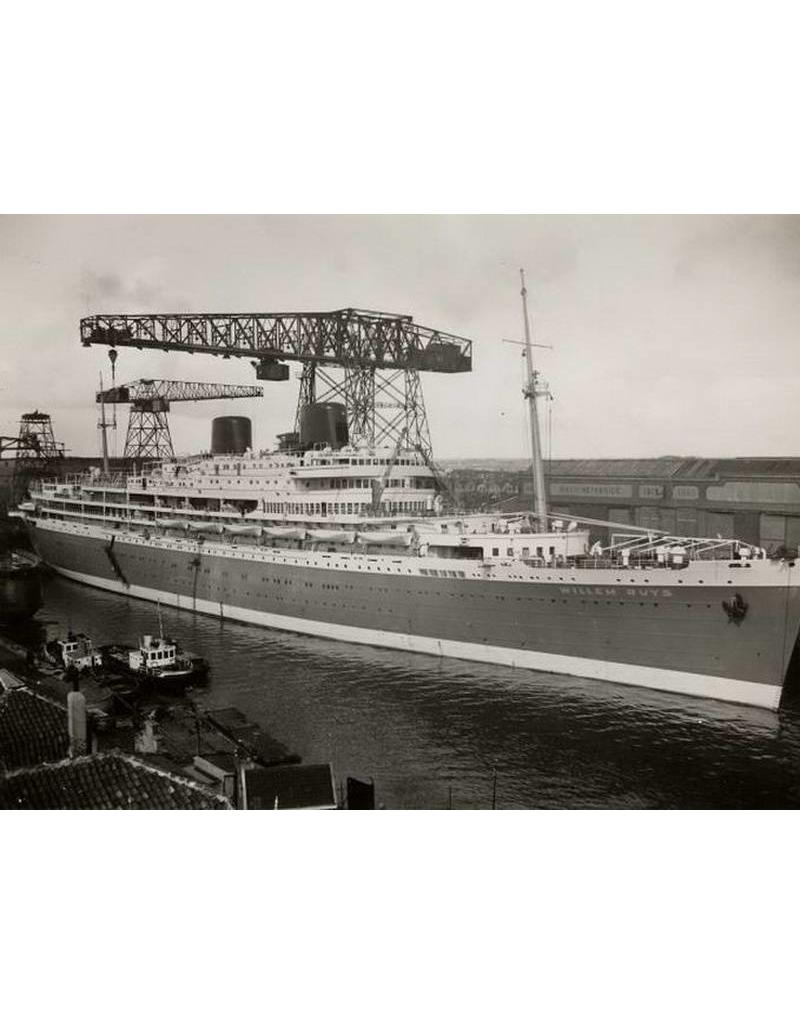
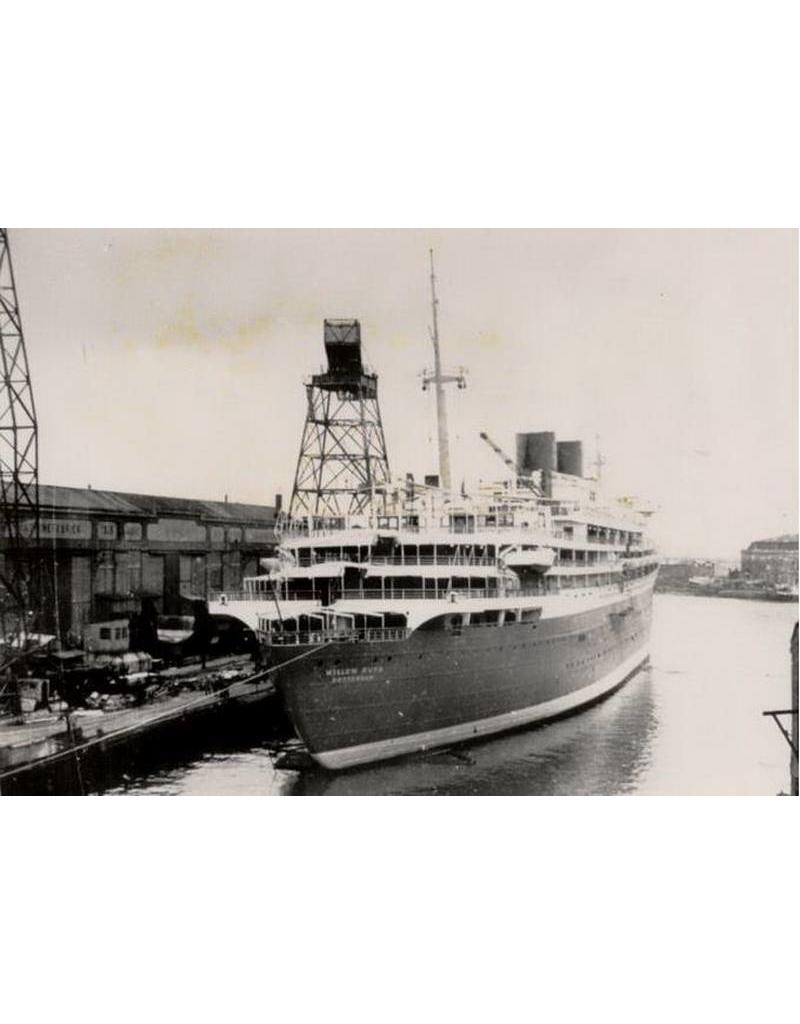
The ship was ordered in 1938 by the Rotterdamsche Lloyd from the Koninklijke Maatschappij De Schelde (KMS) shipyard in Vlissingen and was given the construction number 214. Under this construction number, the ship was intended to be named Ardjoeno, and the keel was laid on 25 January 1939. As a result of the Second World War and the post-war shortage of materials, the ship could not be completed and remained on the slipway in the centre of Vlissingen for seven and a half years.
The electrical engineer hid many of the materials required for the installation in a welded-shut hold. Experts disagree on the role the ship under construction would have played in preventing the German occupiers’ planned destruction of the shipyard.
After the liberation of Vlissingen, the freshwater system on board the ship supplied drinking water to the town for two weeks. When the dykes of Walcheren were bombed in three places in 1944, causing a large part of the island to be flooded, the Willem Ruys’s launches were used for transport by water.[2]
The ship was intended as a counterpart to the Oranje, which rival company Stoomvaart-Maatschappij Nederland had ordered in 1937. Like the Oranje, the Willem Ruys had a streamlined superstructure with two carefully proportioned, equally streamlined funnels.
The ship’s interior was also less opulent than was customary until the early 1930s, but was nonetheless the work of a team of designers including the architect Eschauzier. Technically, it was unique in that the two propellers were driven via gearboxes by eight high-speed two-stroke diesel engines. The Willem Ruys was not as fast as the Oranje, but could accommodate more passengers and cargo.
It was not until 1 July 1946 that the ship was christened and launched. It was named the Willem Ruys, after the Lloyd director Willem Ruys (1894–1942), who had been executed during the war. At the same time, the Rotterdamsche Lloyd was granted the title ‘Royal’. On 28 September 1947, the ship left the shipyard for its maiden voyage, after which it was moored at the Lloydkade in Rotterdam for the final finishing touches. The maiden voyage began on 2 December 1947.
In Vlissingen, De Willem Ruysstraat is named after the passenger ship, which during the war years 1940–1945 lay at the shipyard of the Koninklijke Maatschappij De Schelde in Vlissingen as construction number 214.
Sailing routes
The Willem Ruys was the flagship of the Royal Rotterdam Lloyd and sailed until 1958 on the scheduled service that this company operated to the Dutch East Indies and later Indonesia. During this period, it carried many repatriates travelling to the Netherlands and emigrants from the Netherlands to Australia and New Zealand.
For many passengers, the crossing on the Willem Ruys marked the start of a completely different life. During the night of 5 to 6 January 1953, the ship collided in the Red Sea with the Oranje of the Stoomvaart-Maatschappij Nederland, later renamed the Angelina Lauro; there were a few minor injuries, but the damage was limited.
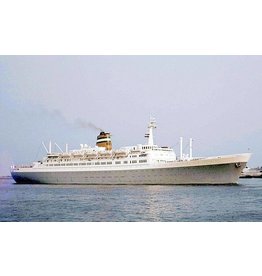
In total, between 1947 and 1958, the ship made 64 return voyages between the Netherlands and Indonesia. After that, the Willem Ruys, together with the Oranje, entered a ‘round-the-world’ service, through which both Dutch shipping companies sought new employment for their passenger ships. For this purpose, the ship was refitted: both funnels were lengthened and the stern was raised.
Achille Lauro
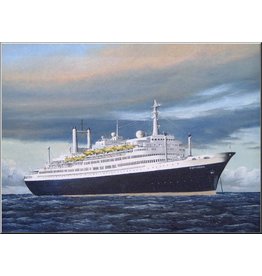
In January 1964, the Willem Ruys was sold to the Italian Lauro Line, with delivery in January 1965. Lauro had the ship converted into a full-time cruise ship and named it Achille Lauro, after the shipping company’s founder, a controversial politician and one of Italy’s wealthiest men. From 1966, it returned to service as a cruise ship.
Hijacking
On 7 October 1985, four men acting on behalf of the Popular Front for the Liberation of Palestine (PFLP) hijacked the ship off the coast of Egypt whilst it was en route from Alexandria to Port Said.
The hijackers were surprised by a crew member, forcing them to act prematurely. They held the passengers and crew hostage and steered the ship towards Tartous in Syria. They demanded the release of 50 Palestinians from Israeli prisons. They were not permitted to dock at Tartous. The hijackers murdered a passenger in a wheelchair, the Jewish American Leon Klinghoffer, and threw his body overboard.
The ship returned to Port Said. After two days of negotiations, the hijackers agreed and left the ship in exchange for safe passage. They were flown to Tunisia by an Egyptian passenger aircraft. The aircraft was intercepted by an American Grumman F-14 Tomcat fighter jet and was forced to land in Sicily, where the hijackers were arrested by the Italian police. This had not been possible earlier due to a disagreement between the American and Italian governments.
Recent years
Some time after the hijacking, the ship resumed its cruise programme. When it also called at Antwerp on 19 March 1993 during a cruise in Western European waters, it passed through the roadstead of Vlissingen amid great public interest.
Just over a year and a half later, on 30 November 1994, a fire broke out on board off the coast of Somalia. The ship listed and, despite the assistance of a tugboat, sank on 2 December. With the exception of two Britons and two Dutch nationals, the crew, including the painter Maya Wildevuur, were able to abandon ship. Due to the ship’s high international profile following the hijacking, this inglorious end also made international headlines.
Keel laid: 1939
Launched: 1946
Completed: 1947
Built by: Koninklijke Maatschappij De Schelde, Vlissingen (Netherlands)
Shipping company: Rotterdamsche Lloyd
Type: Passenger ship (ocean liner)
Tonnage: Approximately 21,000 GRT
Length: Approximately 192 metres
Propulsion: Diesel engines
Speed: Approximately 22 knots
Capacity: Over 900 passengers
Specifications:
|
Drawing number |
10.10.002 |
|
Author |
C. van der Kellen |
|
Description |
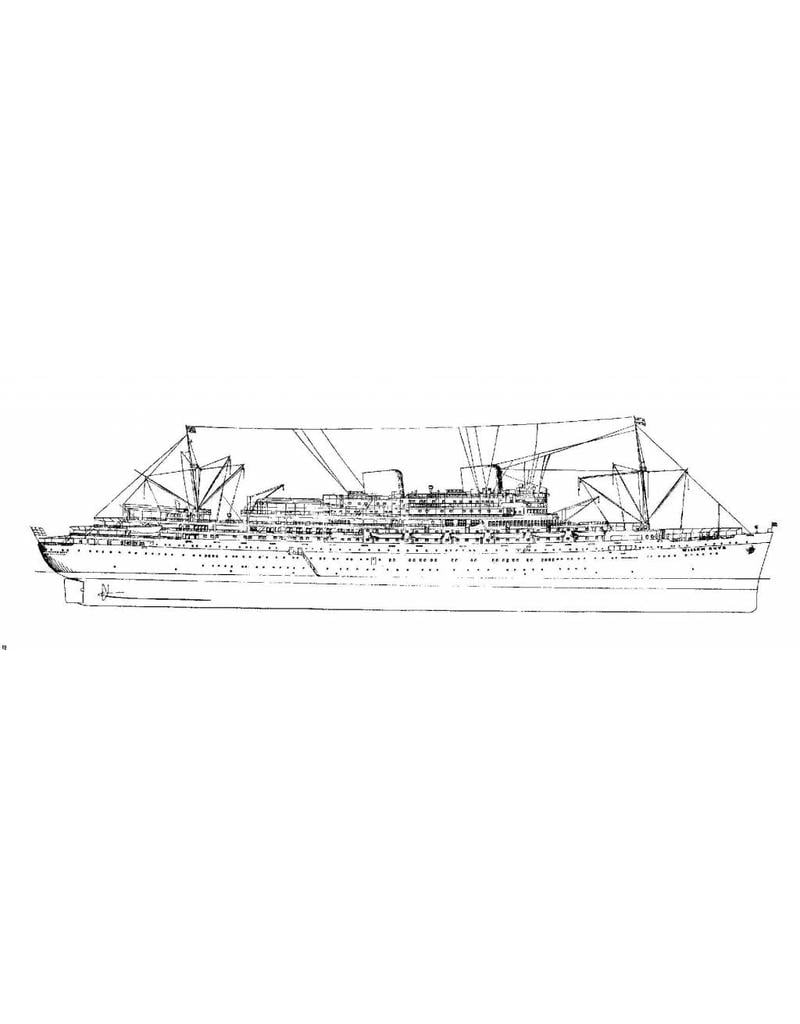
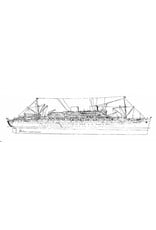
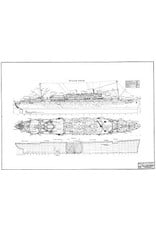
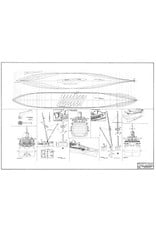
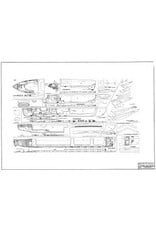
Passenger ship MS "Willem Ruys"; (1939/1947) - Royal Rotterdam Lloyd |
|
Quality |
line drawings; side view/cross-section; deck plans; details; construction instructions for shipbuilding |
|
Scale |
1 : 200 |
|
Number of sheets A00 |
0 |
|
Number of A0 sheets |
3 |
|
Number of A1 sheets |
0 |
|
Number of A2 sheets |
0 |
|
Number of A3 sheets |
0 |
|
Number of A4 sheets |
0 |
|
Total number of drawing sheets |
3 |
|
Number of A4 text sheets |
0 |
|
Weight in grams |
265 |
|
Details |
Overall length 96 cm |
|
Remarks |