| Article number: | 50.00.005 |
Fokker F.XVIII
Ì´Ì_
Source: www.wikipedia.org/wiki/Fokker_F.XVIII
Ì´Ì_
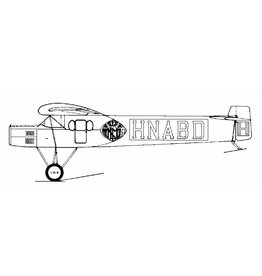
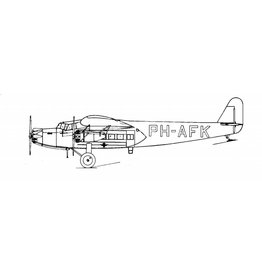
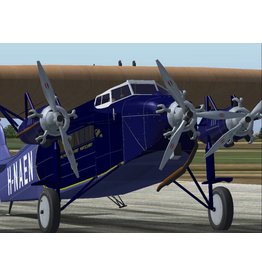
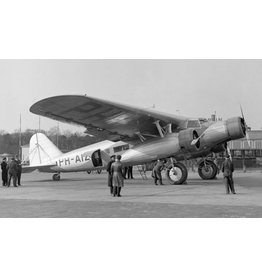
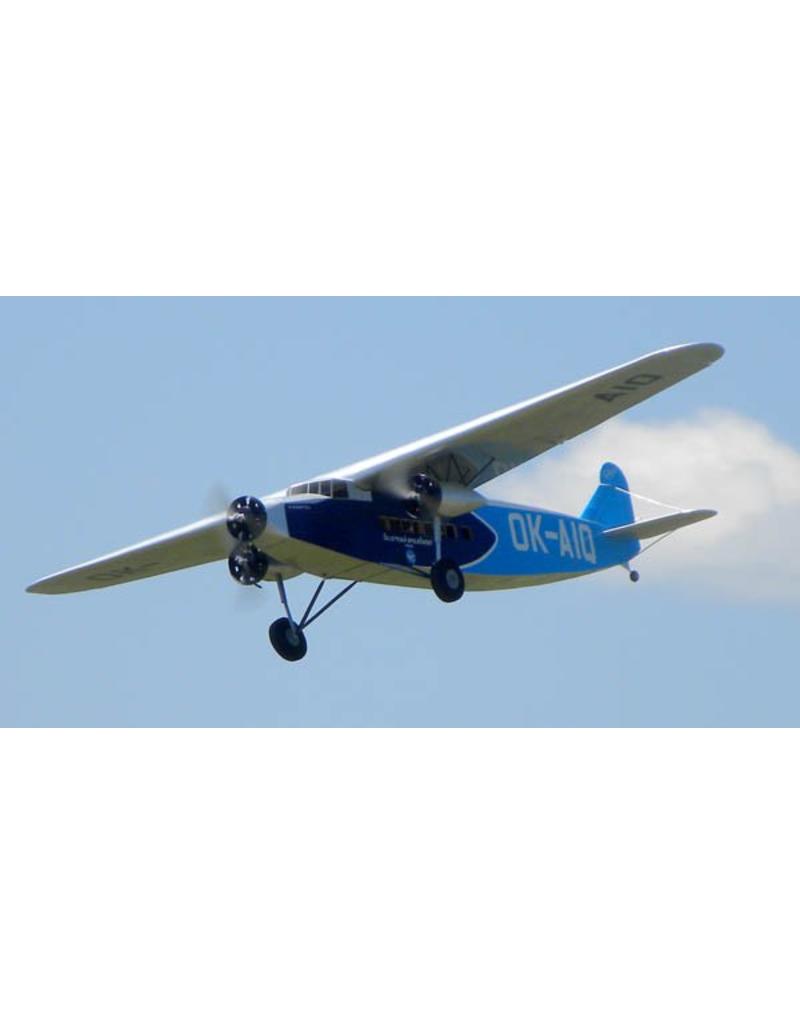
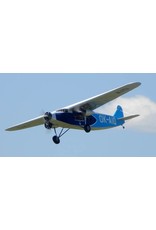
The Fokker F.XVIII is an aircraft from the Fokker family that was built in the Netherlands in the 1930s.
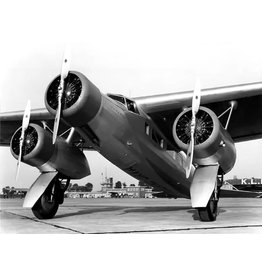
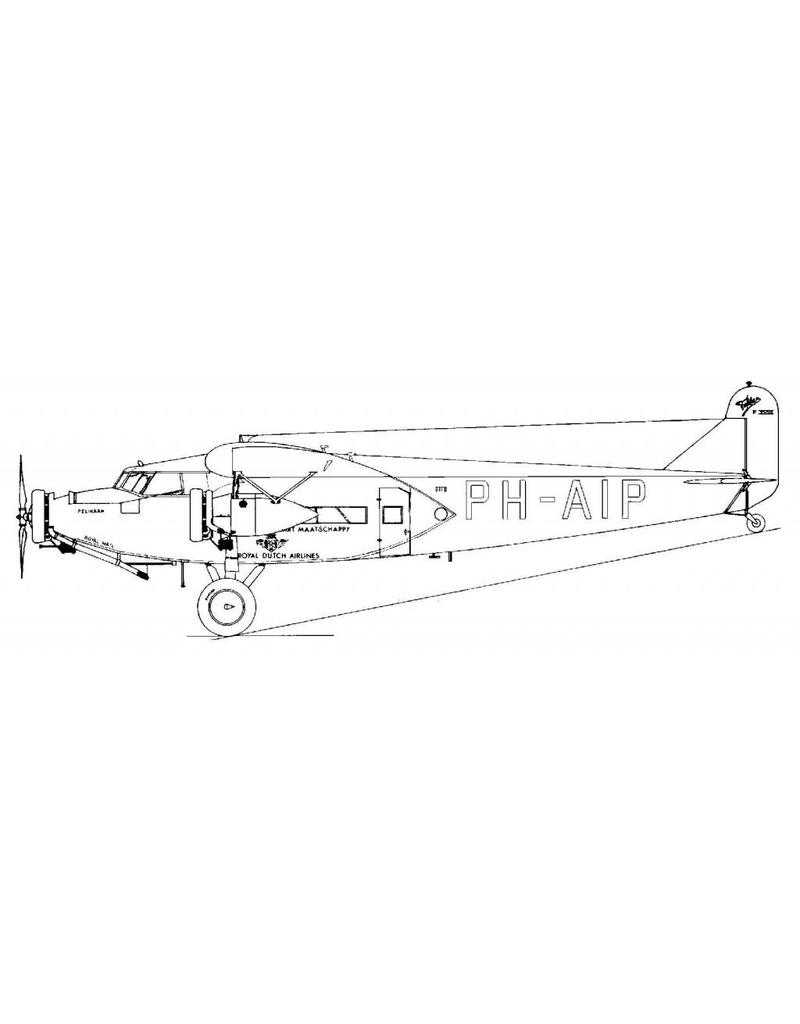
The F.XVIII is a three-engine high-wing monoplane. The aircraft was designed as a passenger plane and could carry a maximum of sixteen passengers. The design of the F.XVIII built on that of the F.XII, with the most significant changes being the improved wings and the relocation of the control cables and generators to the inside of the fuselage. Furthermore, the fuselage was made narrower and longer, with the upper surface given a rounded shape. All these modifications resulted in reduced aerodynamic drag and thus a higher speed. This was important because buyers, led by KLM, were asking for a faster and more powerful aircraft for intercontinental routes, such as to the Dutch East Indies.
Ì´Ì_
Fokker F.XVIII at KLM.
KLM ordered a total of five F.XVIIIs, paying 70,000 guilders per aircraft. The aircraft could be configured in two ways. For European routes, 13 passenger seats were used. On intercontinental routes, there were six.
Two of the F.XVIII aircraft made aviation history: the Pelikaan and the Snip:
Ì´Ì_
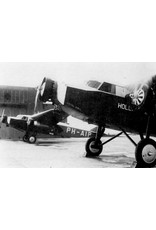
The Pelikaan.
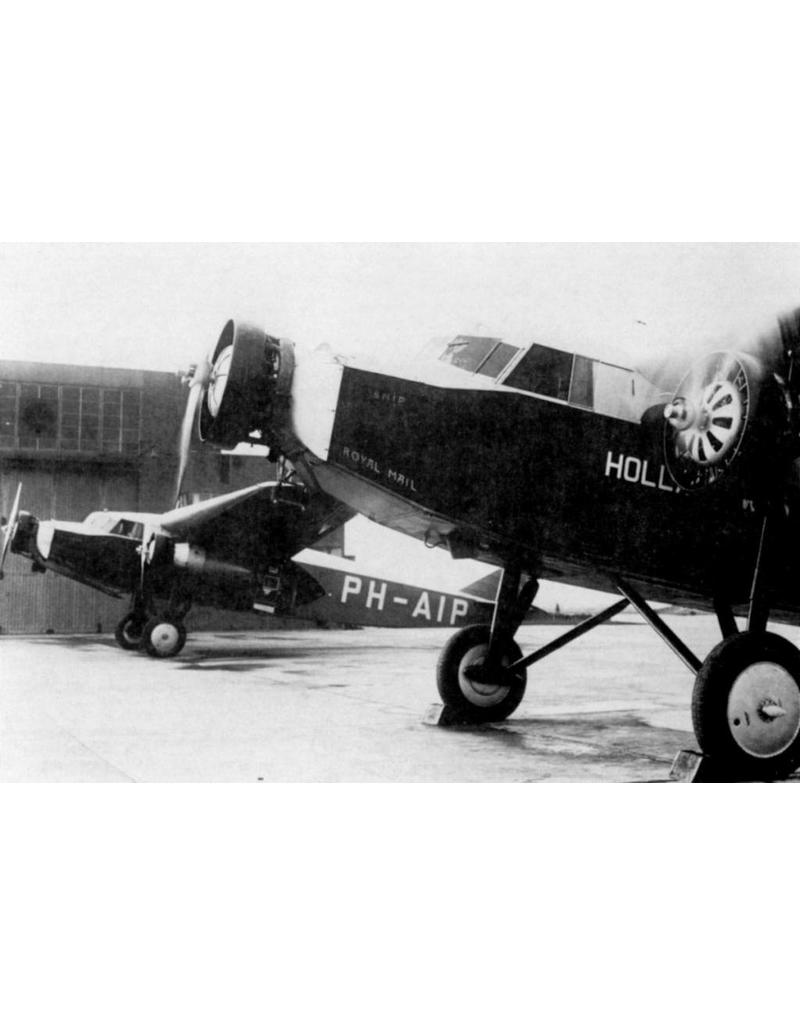
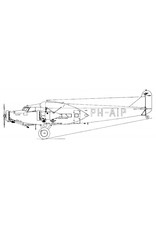
The PH-AIP Pelikaan departed on 18 December 1933 for an early Christmas flight to Batavia in the then Dutch East Indies. This flight was originally to be operated by the faster Fokker F.XX Zilvermeeuw, but a serious engine failure occurred during the warm-up. The Pelikaan was then hurriedly made ready for take-off. The crew, under Captain Iwan Smirnoff, managed to complete the flight in record time. On 22 December 1933, the aircraft arrived in Batavia, and four days later it departed for the return flight. Despite bad weather, the return journey was completed even slightly faster, and on the evening of 30 December 1933, the Pelikaan landed at a cold and foggy Schiphol. Due to the fog, four landing attempts were required. More than 20,000 visitors had flocked to honour the four-man crew, consisting of Iwan Smirnoff, Piet Soer, C.H. van Beukering and J. Grosfeld.
Ì´Ì_
The Snip.
In 1934, KLM made its first transatlantic flight with the PH-AIS Snip. Due to the great distance, the aircraft was modified. Extra fuel and oil tanks were fitted, and the aircraft was also equipped with more powerful Pratt & Whitney Wasp TD-1 engines, each producing 550 hp. Furthermore, the journey was thoroughly prepared and supported. The Royal Netherlands Navy stationed the submarine H.M.S. K XVIII halfway along the route, and the KNSM deployed various ships to assist with navigation. The aircraft departed on 15 December 1934 around midnight, with a crew comprising Captain Jan Hondong, co-pilot Jan van Balkom, telegraph operator Simon van der Molen and engineer Leo Stolk. From Amsterdam, the flight took several days via Marseille, Alicante and Casablanca to Praia on the Cape Verde Islands (the route had been altered shortly beforehand due to weather conditions). There, a three-day break was taken and the Snip was prepared for the crossing of the Atlantic Ocean. On 19 December 1934, the Snip departed and reached Paramaribo 17 hours later. From there, the flight continued to the final destination of Curaçao, where it landed on 22 December. The total distance of 12,200 kilometres was covered in 54 hours and 27 minutes.
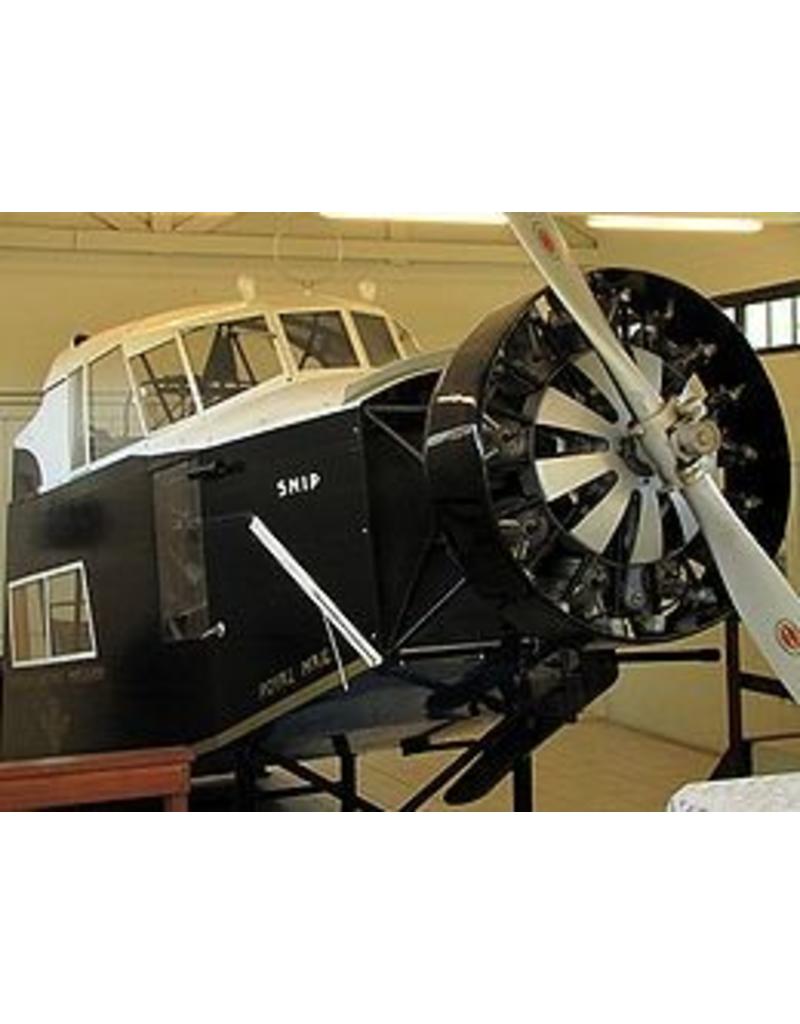
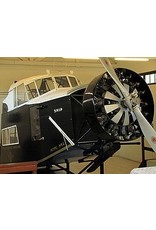
In Curaçao, the Snip became the first aircraft of KLM’s West Indies Division. Its registration was changed to PJ-AIS. Another Fokker F.XVIII, the PH-AIO Oehoe, was transported by ship to Curaçao and was given the registration PJ-AIO there. Following an accident, the aircraft had to be repaired at Fokker in Amsterdam. Upon its return to Curaçao, the aircraft was named Oriol (golden oriole) because the people of the Antilles regarded an owl as a bird of ill omen. Both aircraft were in service until 1946 and were subsequently scrapped. Since 1992, the cockpit and centre engine of the Snip have been on display at the Curaçao Museum in Willemstad.
Ì´Ì_
Technical specifications:
|
Manufacturer |
|
|
Length |
18.5 m |
|
Wingspan |
24.5 m |
|
Height (from the ground) |
4.7 m |
|
Passenger seats |
16 |
|
Unladen weight |
3050 kg |
|
Max. take- off weight |
7550 kg |
|
Engines |
3 x Pratt & Whitney Wasp TD1 |
|
Max. thrust per engine |
550 hp |
|
Cruising speed |
203 km/h |
|
Max. range |
1,500 km |
|
Status |
Historical |
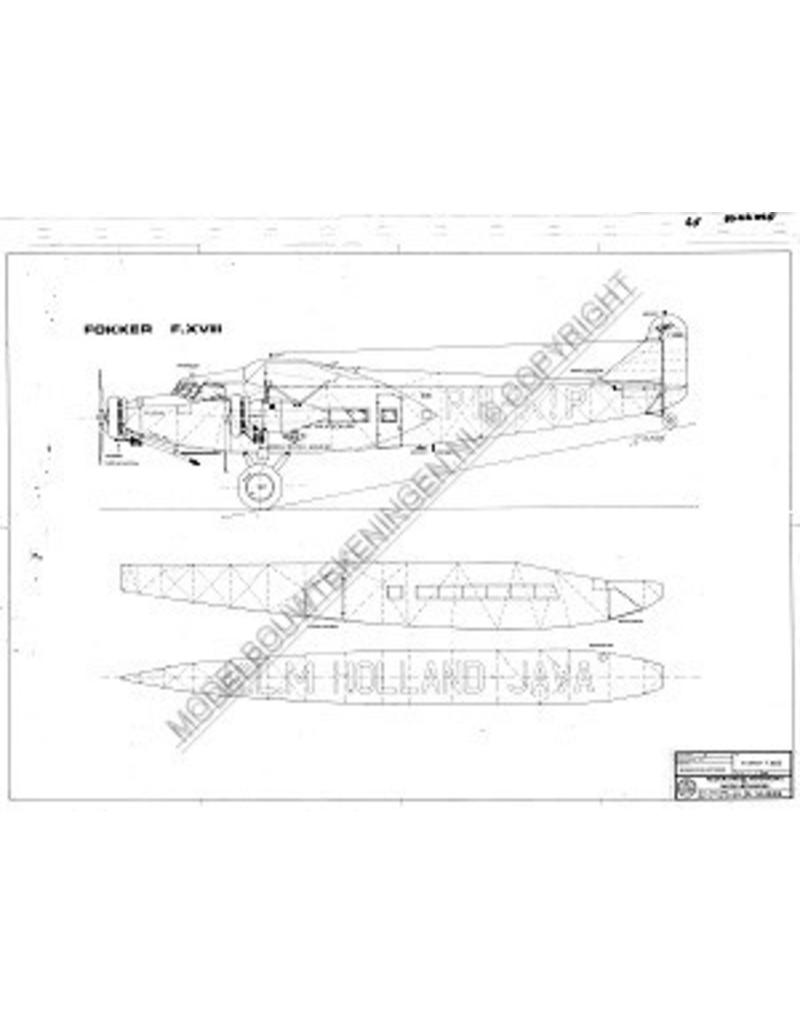
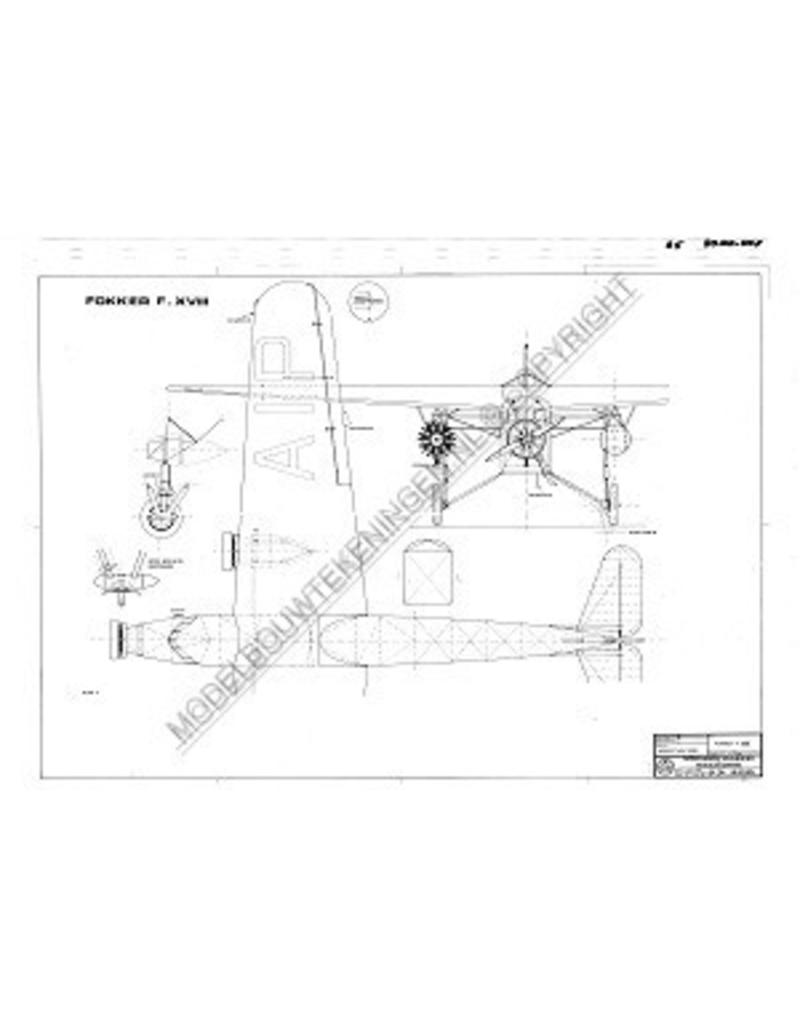
Specifications Model drawing:
|
Drawing number |
50.00.005 |
|
Description |
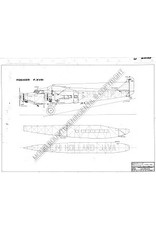
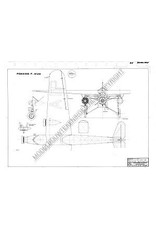
Fokker FXVIII Pelikaan |
|
Quality |
Ì´Ì_ |
|
Difficulty |
C |
|
Scale |
1 : 10 |
|
Number of sheets A00 |
0 |
|
Number of A0 sheets |
0 |
|
Number of A1 sheets |
2 |
|
Number of A2 sheets |
0 |
|
Number of A3 sheets |
0 |
|
Number of A4 sheets |
0 |
|
Total number of drawing sheets |
2 |
|
Number of A4 text pages |
0 |
|
Weight in grams |
105 |
|
Special features |
span 82 cm |
|
Comments |
Ì´Ì_ |