| Article number: | 50.00.022 |
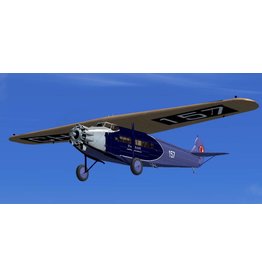
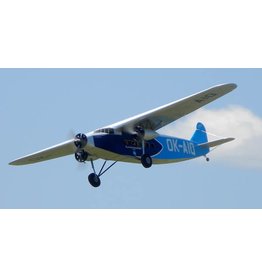
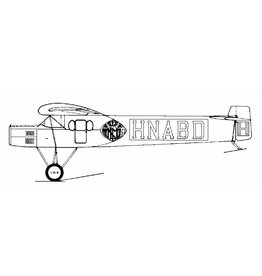
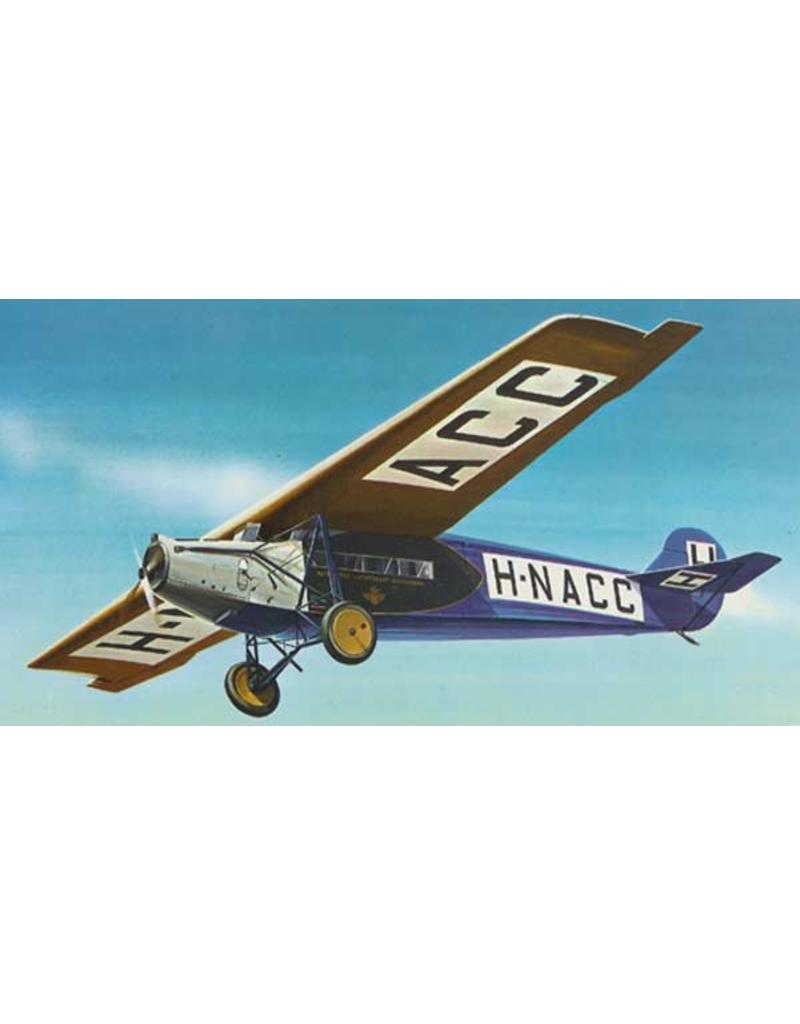
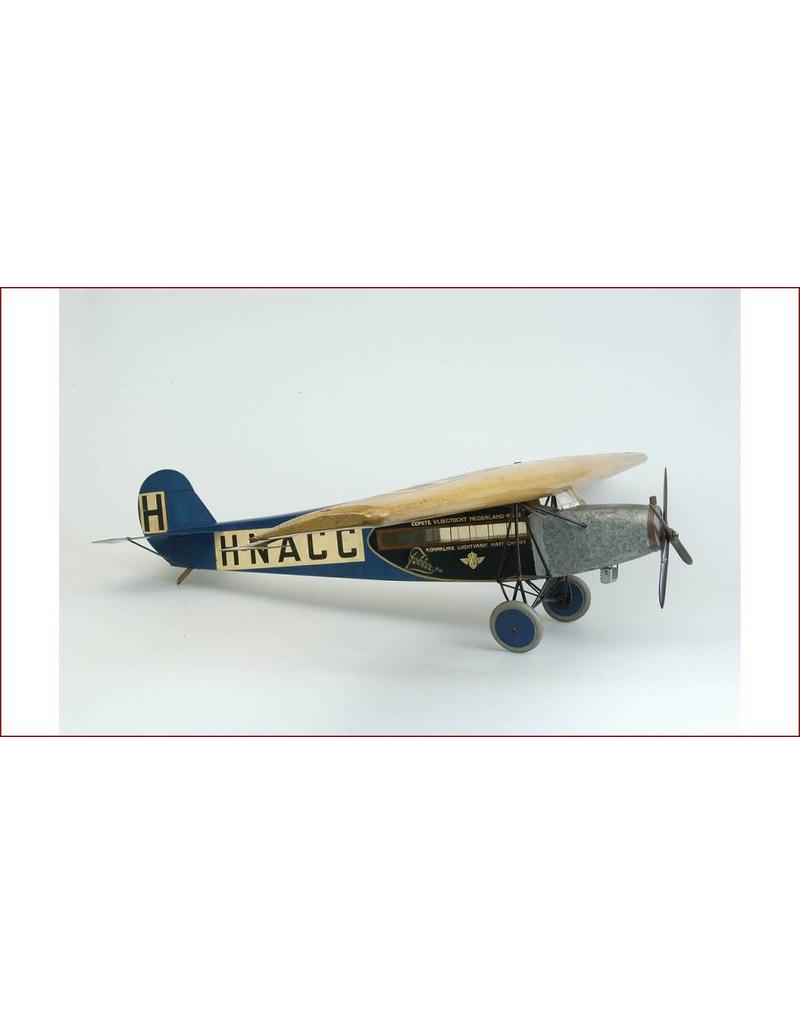
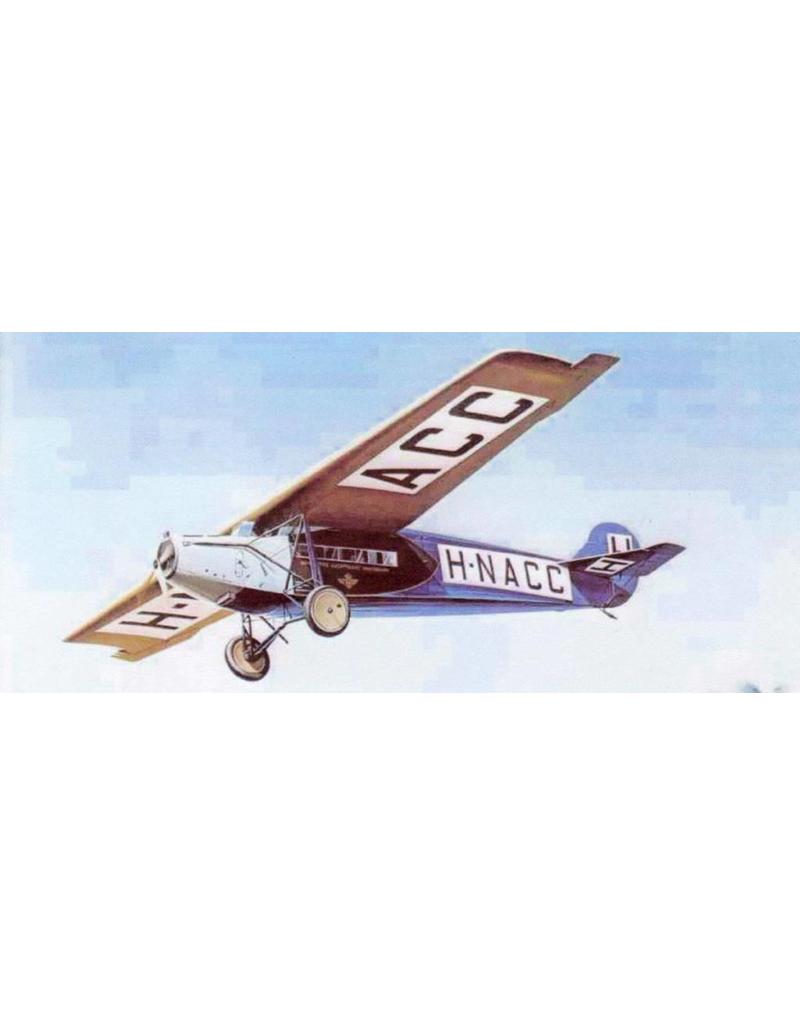
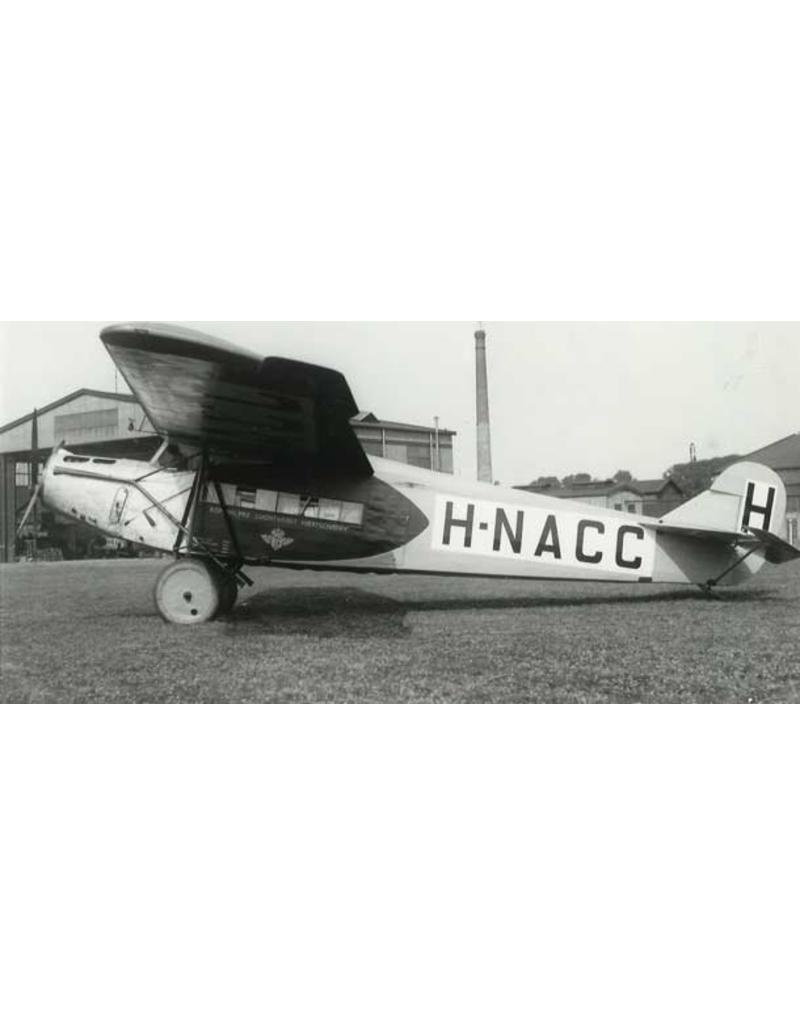
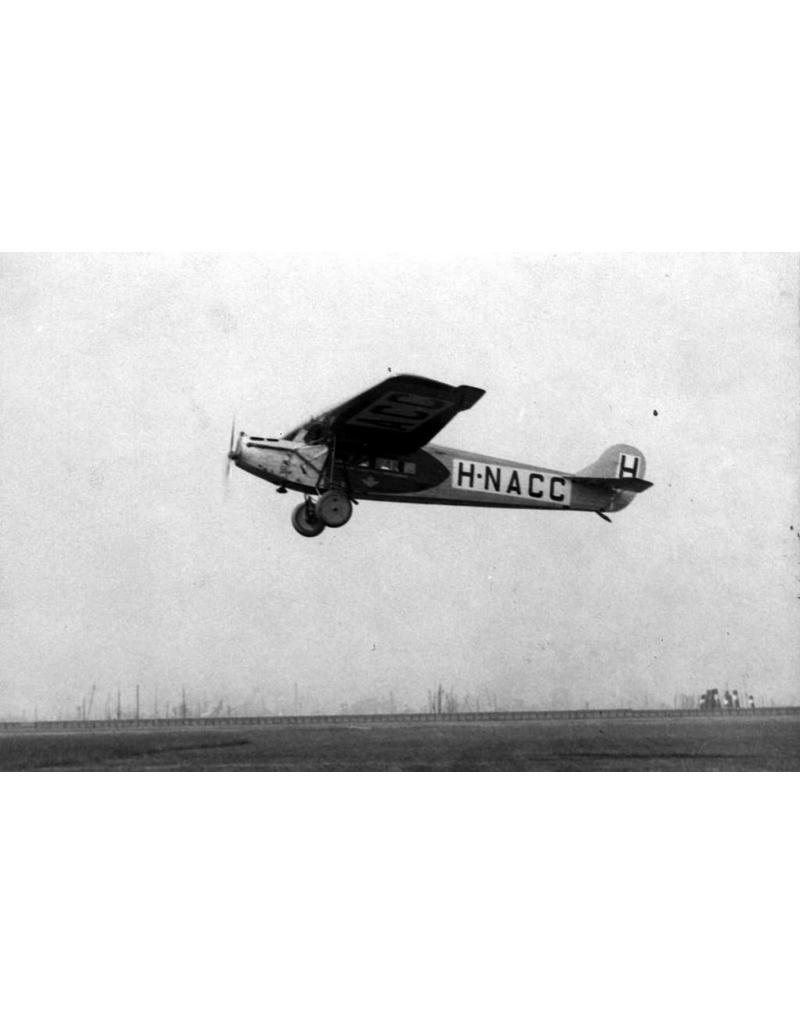
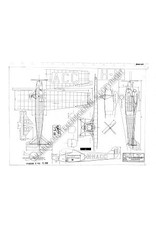
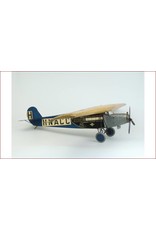
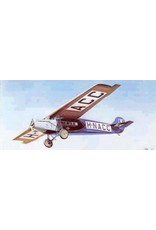
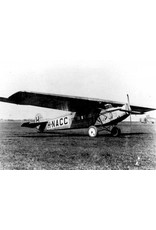
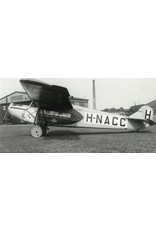
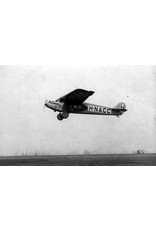
Fokker FVII H-NACC
Ì´Ì_
Source: www.wikipedia.org/wiki/Eerste_vlucht_naar_Nederlands-Indi%C3%AB
First flight to the Dutch East Indies
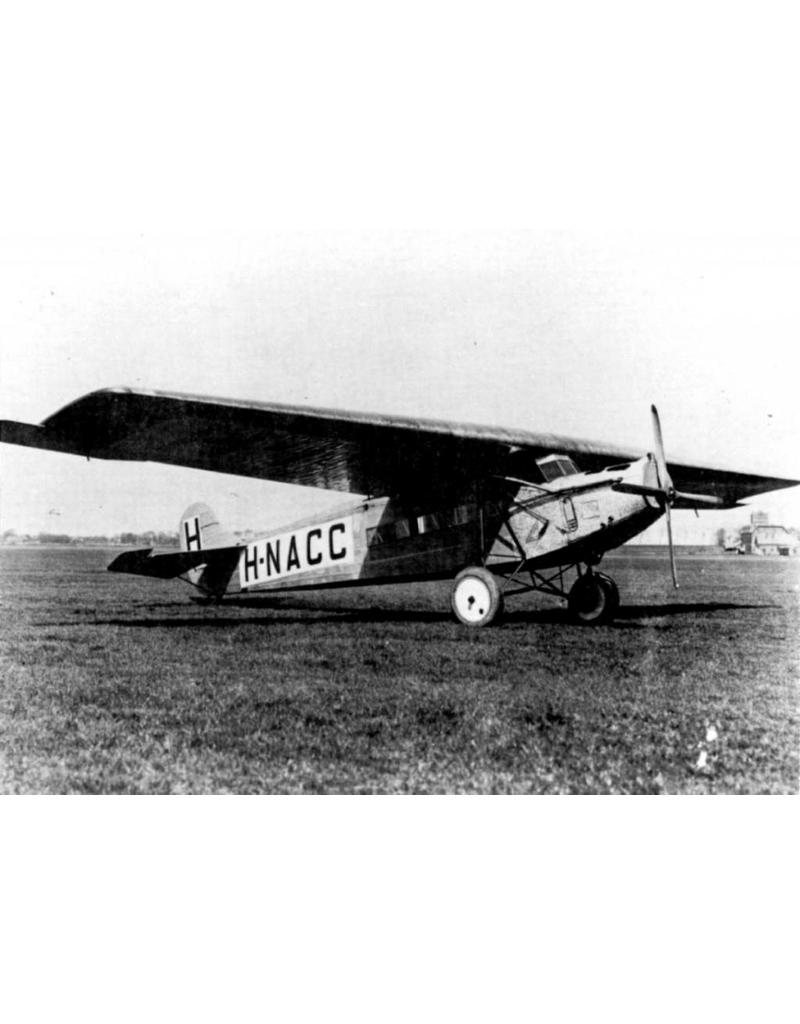
On 24 November 1924, the H-NACC, a Fokker F.VII aircraft, completed the first intercontinental flight from Schiphol to Batavia.
Ì´Ì_
The flight
The aircraft was a very modern design for its time. It was one of the first passenger aircraft in which the pilot and passengers were housed in a covered cabin rather than sitting out in the open air. The aircraft was constructed from drawn metal tubes, wood and linen, and was powered by a 400 hp Rolls-Royce engine.
For the flight to Java, the aircraft, with registration number H-NACC, was modified. The passenger seats were removed and extra fuel tanks were fitted, so that it could remain in the air for over 10 hours. The 16,000-kilometre journey was to be completed in 22 days. In view of the tropical temperatures, an extra radiator was fitted beneath the engine, and to reduce the aircraft’s weight, all but one of the windows on either side were replaced with canvas. Various spare parts were stored in the cabin, including a spare propeller.
Otherwise, the equipment was primitive; navigation was mainly by sight. Pilots looked out for church towers, rivers and towns. Maps were often incomplete.
The crew consisted of KLM pilot Jan Thomassen ÌÎÌ_ Thuessink van der Hoop (often referred to simply as ‘Van der Hoop’), flight lieutenant Hendrik van Weerden Poelman and engineer Pieter van den Broeke.
On 1 October 1924, the H-NACC took off from Schiphol, bound for Prague for its first stopover. Apart from the three crew members, only mailbags were on board.
After two days, things went wrong over Bulgaria: a crack in the auxiliary radiator caused the coolant to leak out, and the engine overheated. The crew had to make an emergency landing on a small grassy field near the city of Plovdiv. As the aircraft taxied, it hit an uneven patch of ground, causing the right landing gear to break off. The undercarriage could be repaired, but the engine was beyond repair and had to be replaced. However, there was no money for this.
Following a quick fundraising appeal among readers of the magazine Het Leven, a new engine was brought to Bulgaria and installed in the aircraft under primitive conditions. On 2 November, the Fokker F VII took to the skies again, two days before snowstorms broke out in the area that would have made departure impossible. On 24 November, the aircraft arrived safely in Batavia.
This demonstrated that destinations on the other side of the world could also be reached. However, it was not until 1927 that KLM undertook another flight to Java. A series of test flights was carried out in 1928 and 1929. It was not until 1930 that the air route to the Dutch East Indies was officially opened. From 1930 until the outbreak of the Second World War, the frequency of flights to the Dutch East Indies increased from one every 14 days to three flights a week. KLM would make a fortune on this route until Indonesia gained independence in 1949, thereby laying the foundations for the company’s later expansion.
The H-NACC remained in the Dutch East Indies for several months for demonstration flights. The aircraft was then shipped back to the Netherlands by boat. KLM subsequently used it on its European routes until the aircraft crashed in Belgium on 9 July 1926.
Ì´Ì_
The route.
Total: 14,185 km
An alternative route went via:
Total: 14,575 kilometres
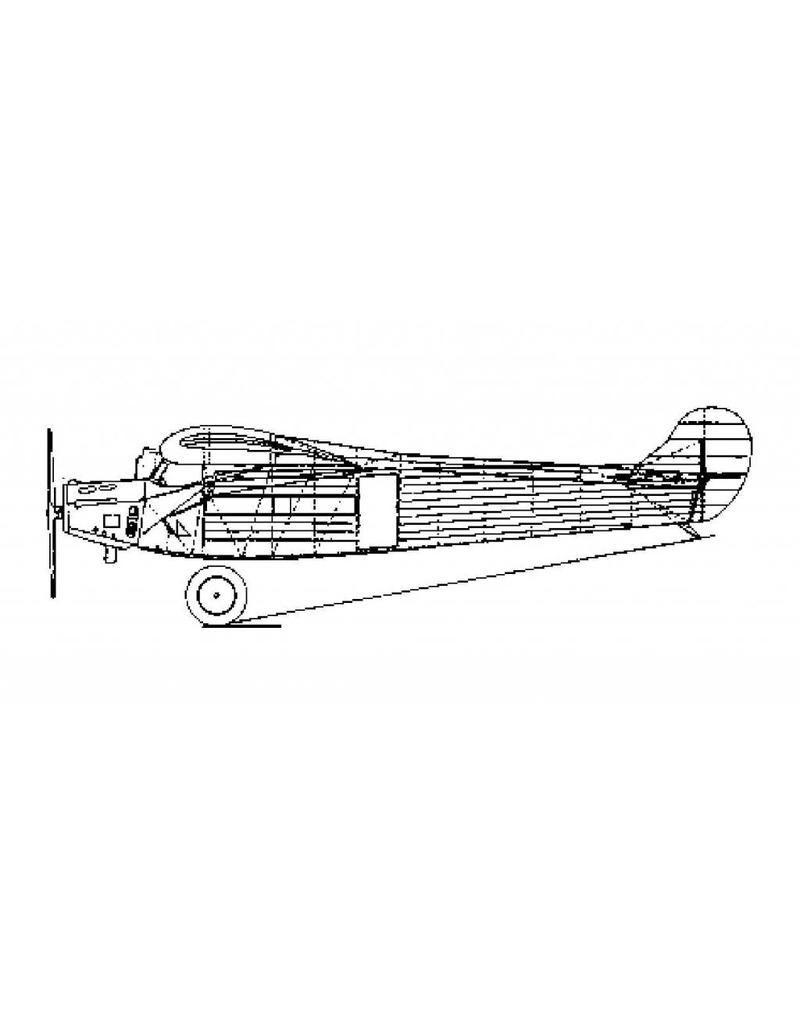
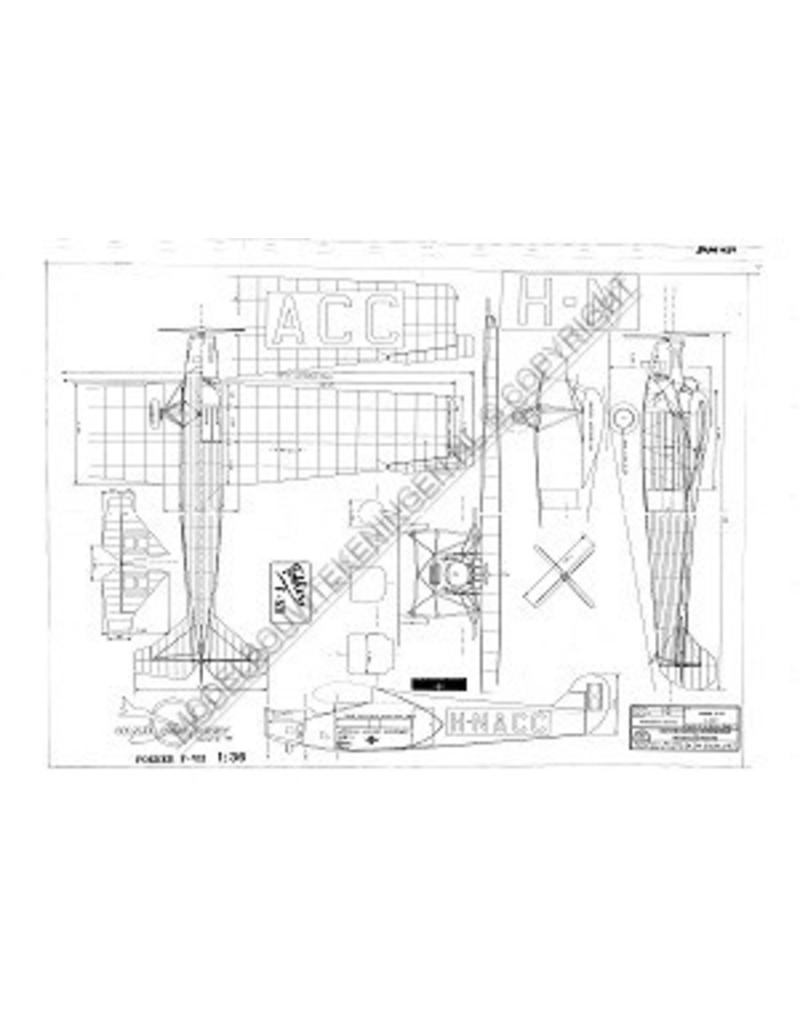
Specifications Model drawing:
|
Drawing number |
50.00.022 |
|
Author |
W.H.M. van Beek |
|
Description |
Fokker FVII H-NACC (1924) |
|
Quality |
Ì´Ì_ |
|
Difficulty |
D |
|
Scale |
1 : 1 : 36 |
|
Number of sheets A00 |
0 |
|
Number of A0 sheets |
0 |
|
Number of A1 sheets |
1 |
|
Number of A2 sheets |
0 |
|
Number of A3 sheets |
0 |
|
Number of A4 sheets |
0 |
|
Total number of drawing sheets |
1 |
|
Number of A4 text pages |
0 |
|
Weight in grams |
65 |
|
Special features |
span 64 cm |
|
Comments |
Ì´Ì_ |
| Ì´Ì_ | Ì´Ì_ |