| Article number: |
10.02.016 |
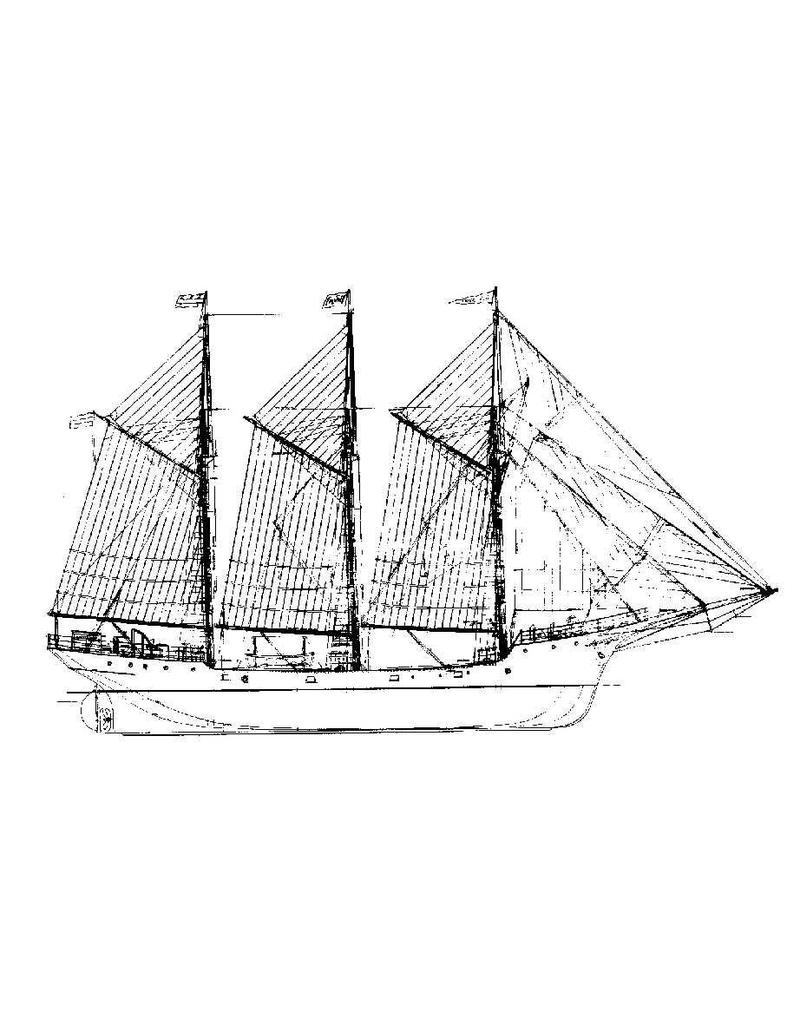
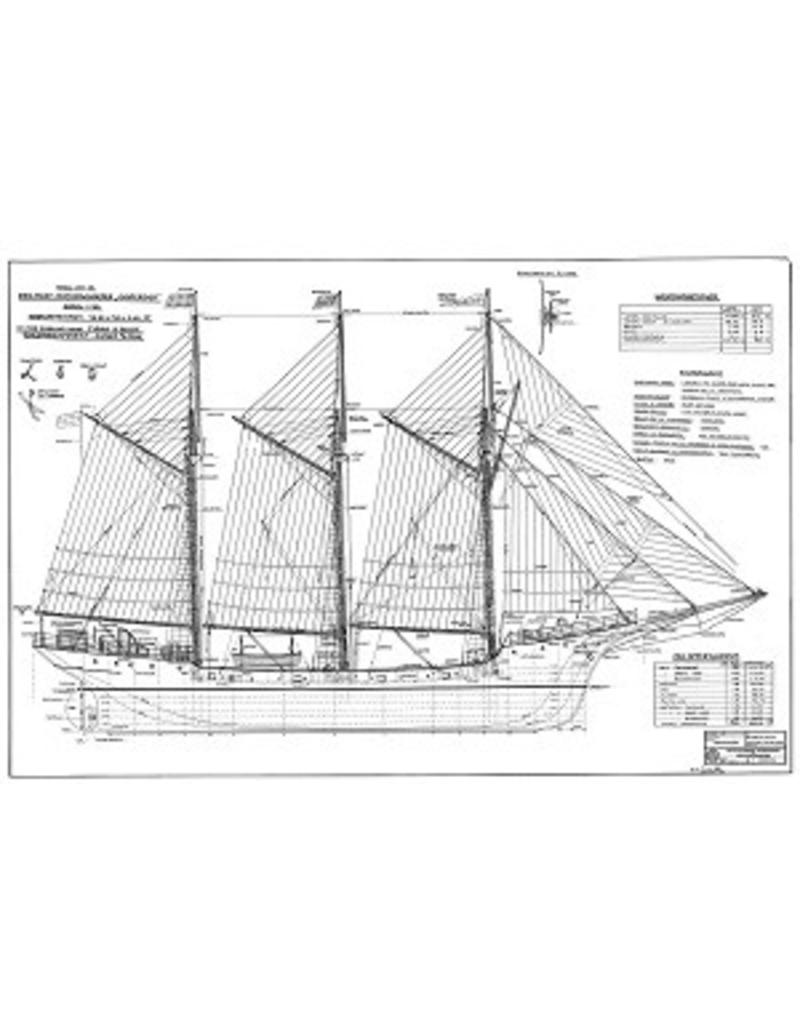
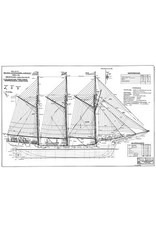
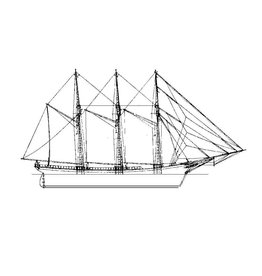
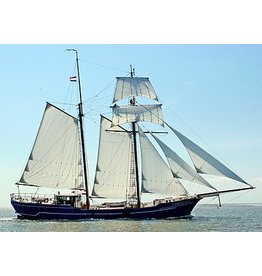
The Oosterdiep was a three-masted schooner built in 1921 in the Netherlands, known for its use as a sailing ship for both commercial and maritime purposes. A three-masted schooner is a type of sailing ship with three masts, where the foremast is the smallest and the aft mast is the largest, and the ship is primarily equipped with mainsails and jibs. This type of ship was typical of the transitional period between traditional sailing ships and motorised shipping in the early 20th century.
Characteristics of the Three-masted schooner "Oosterdiep"
-
Construction and Design:
- The Oosterdiep was built in the Netherlands in 1921. Like many ships of this era, the ship's hull was made of wood, which was typical for shipbuilding during this period.
- The three-masted schooner had three masts, with the largest mast at the stern. This type of design makes the ship efficient in catching wind and therefore well-suited for long sea voyages, making it suitable for both trade journeys and cargo transport.
-
-
Sails and Navigation:
- The Oosterdiep was equipped with sails that used the wind to propel the ship. As is common for a three-masted schooner, the ship had a combination of large sails for the aft mast and smaller sails for the fore masts. The sail design was ideal for long-distance sailing, especially when the wind was favourable for open-sea navigation.
- Thanks to its three masts, the Oosterdiep had more flexibility to adapt to various wind conditions. The ship would often have set course for distant ports for trade, or it was used for cargo transport of goods between different seaports.
-
-
Usage:
- The Oosterdiep was originally used for commercial purposes, including transporting goods by sea. The ship was often used for the transport of cargo and other merchandise.
- Given the period in which the ship was built (early 20th century), it was part of the transitional period between traditional sailing ships and the rise of motorised vessels.
- During the World Wars, many ships of this type were converted for military purposes or deployed in emergencies, although the Oosterdiep itself later returned to its commercial activities.
-
-
Technological and Cultural Significance:
- The Oosterdiep is representative of the last generation of traditional sailing ships that were still commercially active during the early 20th century, before steam and motor ship technology completely took over maritime shipping.
- Three-masted schooners like the Oosterdiep played a crucial role in trade and international transport of goods, especially between Europe and other continents, before modern cargo ships took over the role of these sailing vessels.
Conclusion
The three-masted schooner "Oosterdiep" was a typical old sailing ship from the early 20th century, which well represents how commercial shipping developed in the transition from traditional sailing to motorised shipping. This type of ship played an important role in trade and the transport of goods, but with the advent of new technologies, the ship lost its commercial utility. The Oosterdiep remains a reminder of the rich heritage of Dutch sailing.
Specifications :
|
Drawing number
|
10.02.016
|
|
Description
|
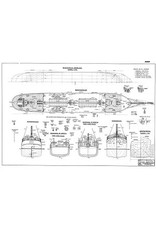
three-masted schooner "Oosterdiep"
|
|
Quality
|
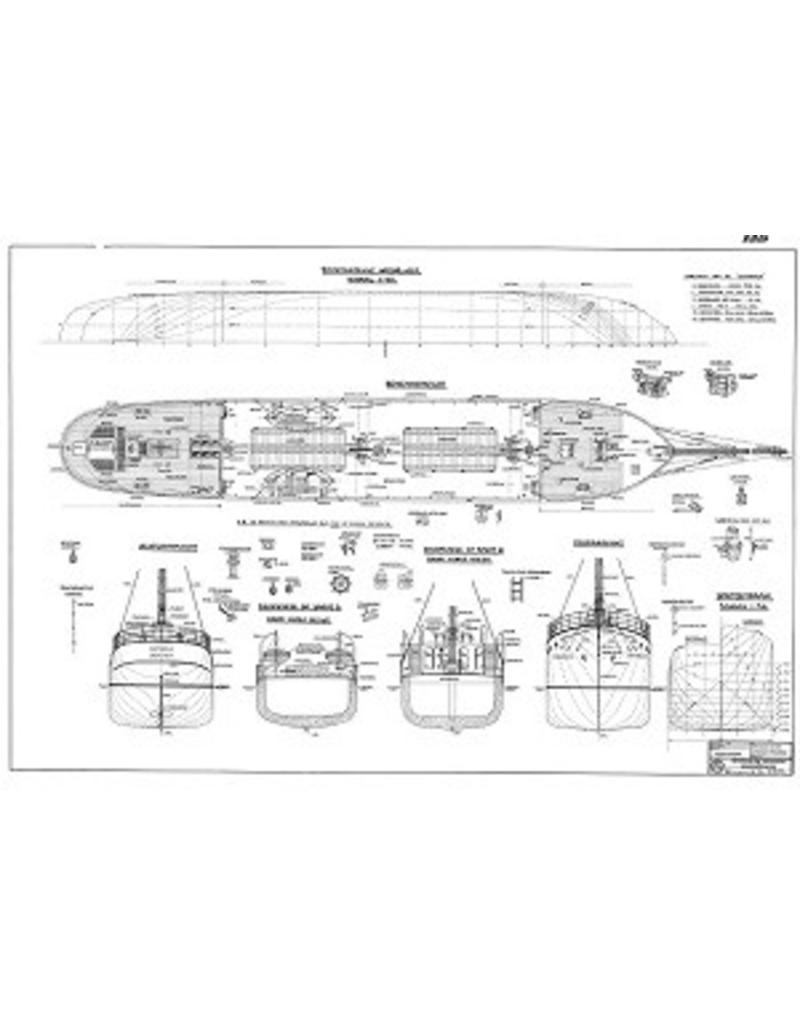
frames/lines; sections; views; deck plan; rigging plan; details
|
|
Scale
|
1 : 50
|
|
Number of A00 sheets
|
0
|
|
Number of A0 sheets
|
2
|
|
Number of A1 sheets
|
0
|
|
Number of A2 sheets
|
0
|
|
Number of A3 sheets
|
0
|
|
Number of A4 sheets
|
0
|
|
Total number of drawing sheets
|
2
|
|
Number of A4 text sheets
|
0
|
|
Weight in grams
|
185
|
|
Special features
|
l.o.a. 108 cm
Copy article: 12.02.016 (13 pages)
|
|
Remarks
|
|