| Article number: | 10.03.022 |
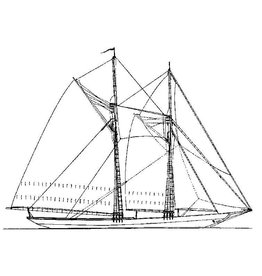
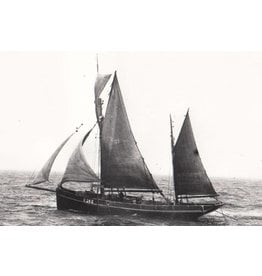
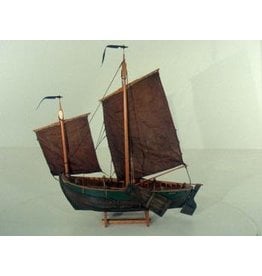
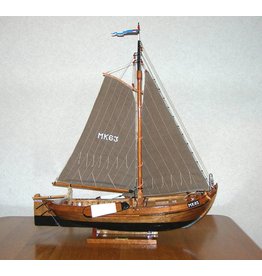
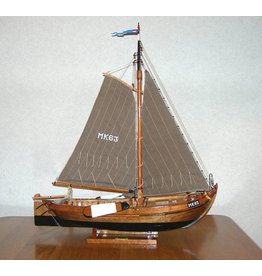
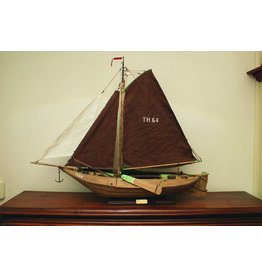
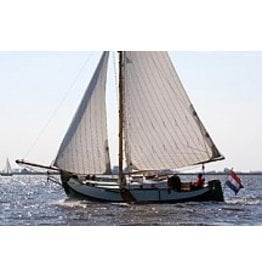
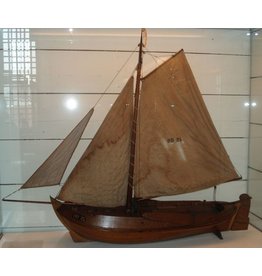
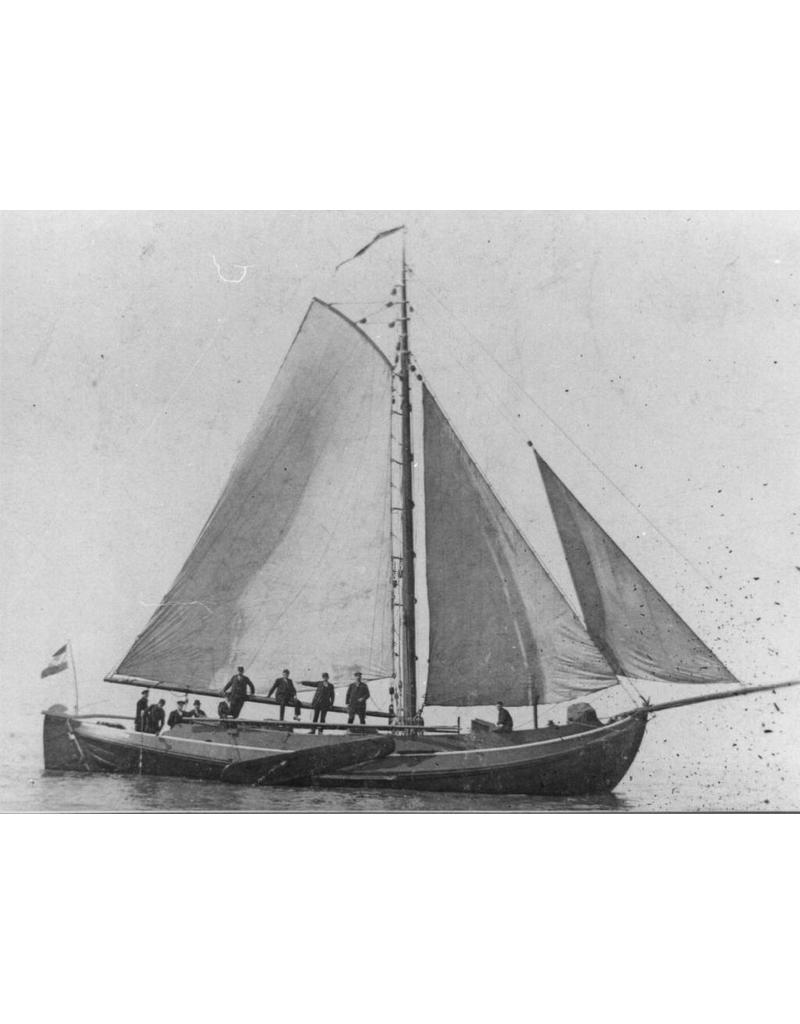
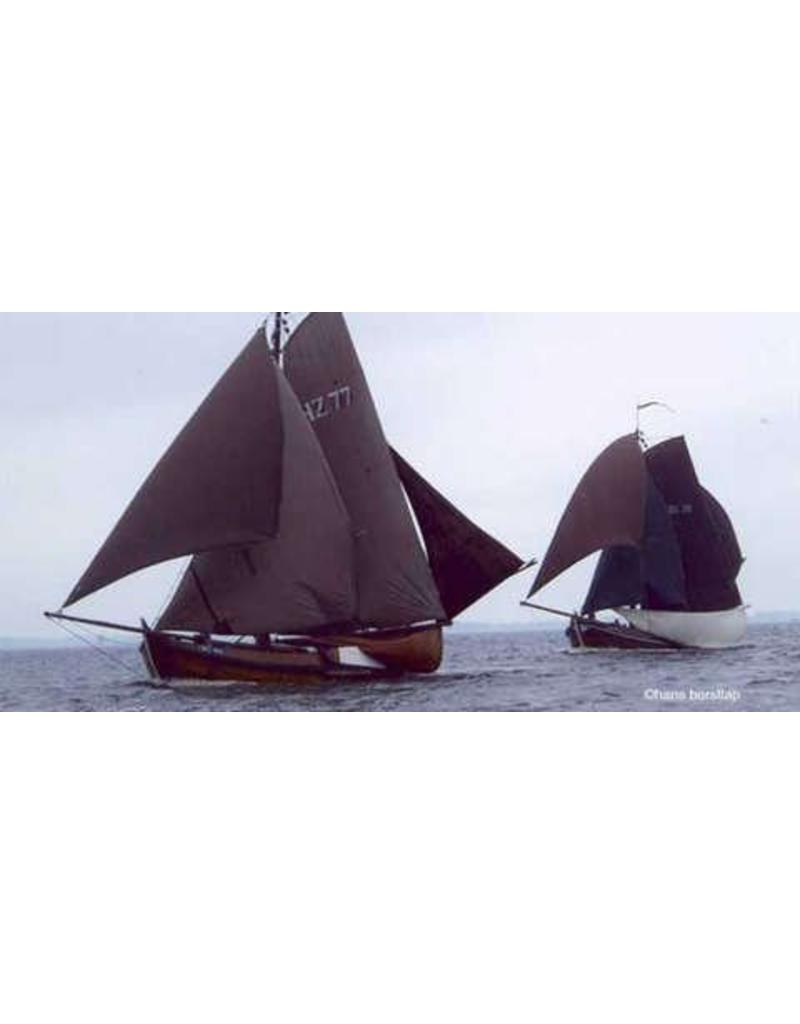
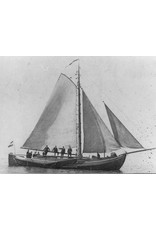
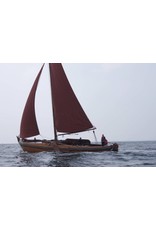
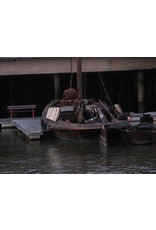
The 19th-century North Sea botter is an iconic type of fishing boat that was mainly used in the North Sea and along the Dutch coast for fishing. These botters were of great importance to commercial fishing in the Netherlands, particularly in the 19th and early 20th centuries. They were robust and suited to the hard work of fishing in the North Sea, known for its harsh conditions.
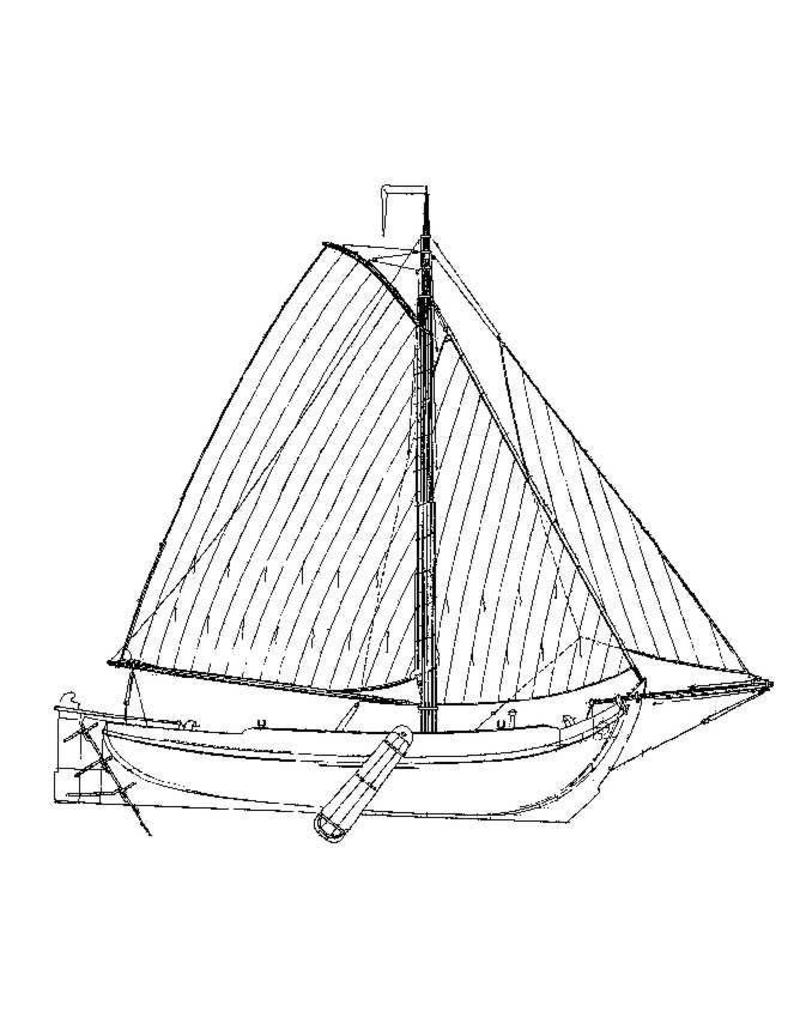
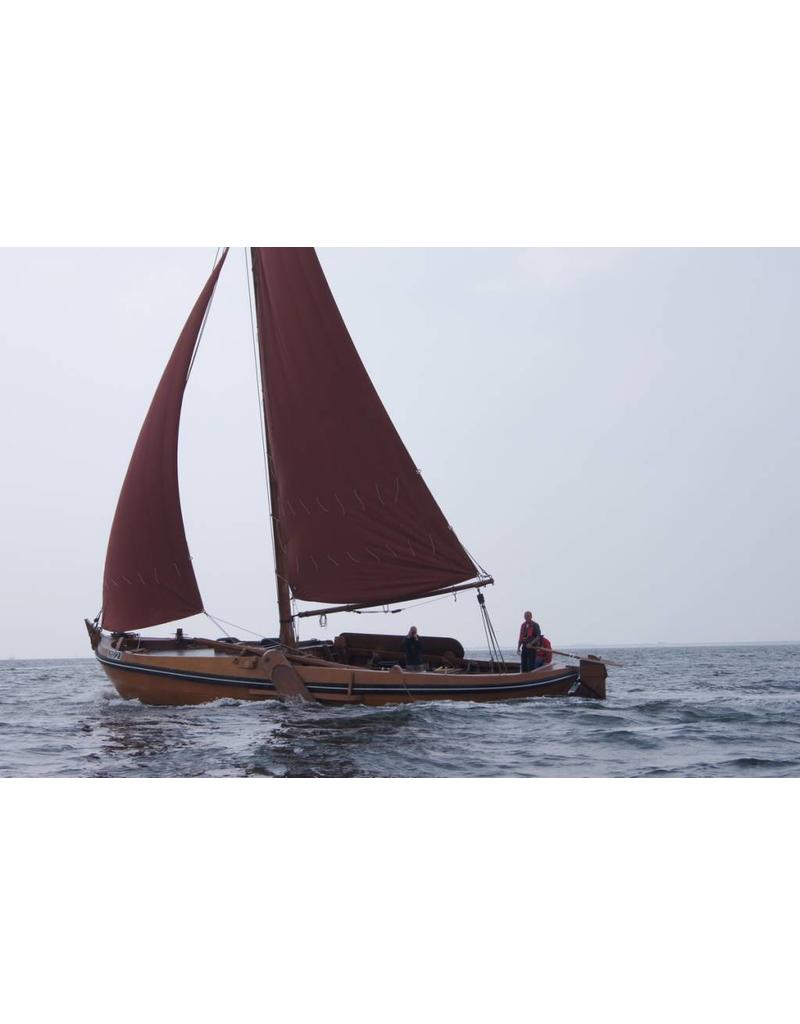
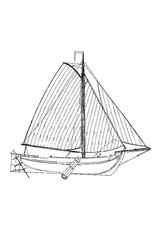
Hull and design: The North Sea botter has a robust, sturdy hull, often with a flat bottom. This design makes the botter suitable for the rough waters of the North Sea, but also for shallow waters along the coast and in rivers. The botter was relatively wide, which increased its stability, and had a rake or sloping bow.
Sails: The botter was originally a sailing vessel, often fitted with a mainsail and a foresail. It used a gaff rig, which enabled it to sail reasonably well against the wind. In the 19th century, botters were usually fitted with sails and later, in the 20th century, with engines for greater speed and manoeuvrability.
Fishing activities: The North Sea botter was used for sea fishing, particularly for catching herring, zander and cod. The botters were equipped for net fishing, line and hook fishing, or trawling. They were capable of making long voyages to the fishing grounds of the North Sea and often returned with large catches.
Dimensions: 19th-century North Sea botters were relatively large for their time, measuring between 10 and 20 metres in length and 3 to 5 metres in width. This provided the botter with sufficient space for a crew and fishing equipment.
Innovation: The 19th century was a time of technological progress for Dutch fishing, and the North Sea botter played a significant role in this. The use of East Indian sails (allowing the botter to sail effectively against the wind using a rudder and sail) provided greater speed and efficiency at sea.
Significance for the fishing industry: The North Sea botter was a key player in the economic development of the Dutch fishing industry in the 19th century. These botters were essential to the fishing communities along the Dutch coast, who often depended on their catches for their livelihood.
Towards the end of the 19th century and the beginning of the 20th century, the motorisation of botters became common practice. Many botters were fitted with diesel engines, making them less dependent on the wind. This increased their efficiency and enabled fishermen to cover greater distances and operate more quickly.
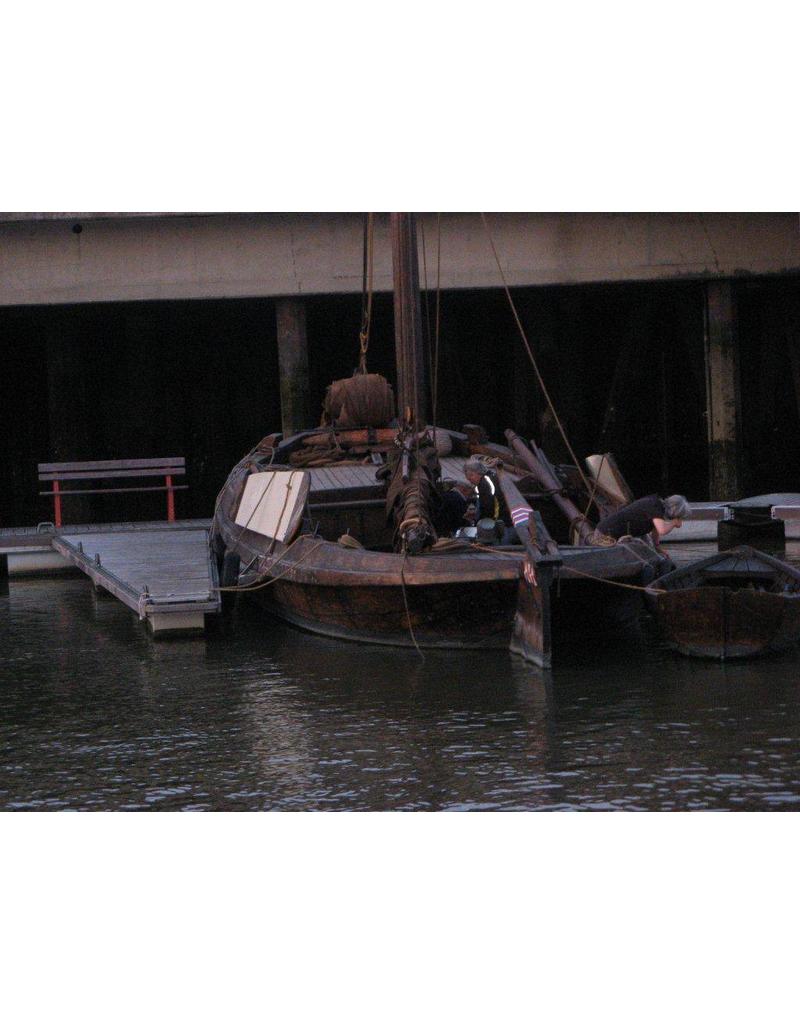
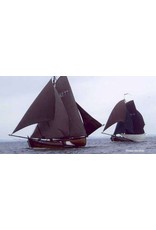
Nowadays, 19th-century North Sea botters are often preserved as historic vessels and are frequently used for educational purposes, as museum exhibits, or during historic sailing events.
Specifications:
|
Drawing number |
10.03.022 |
|
Author |
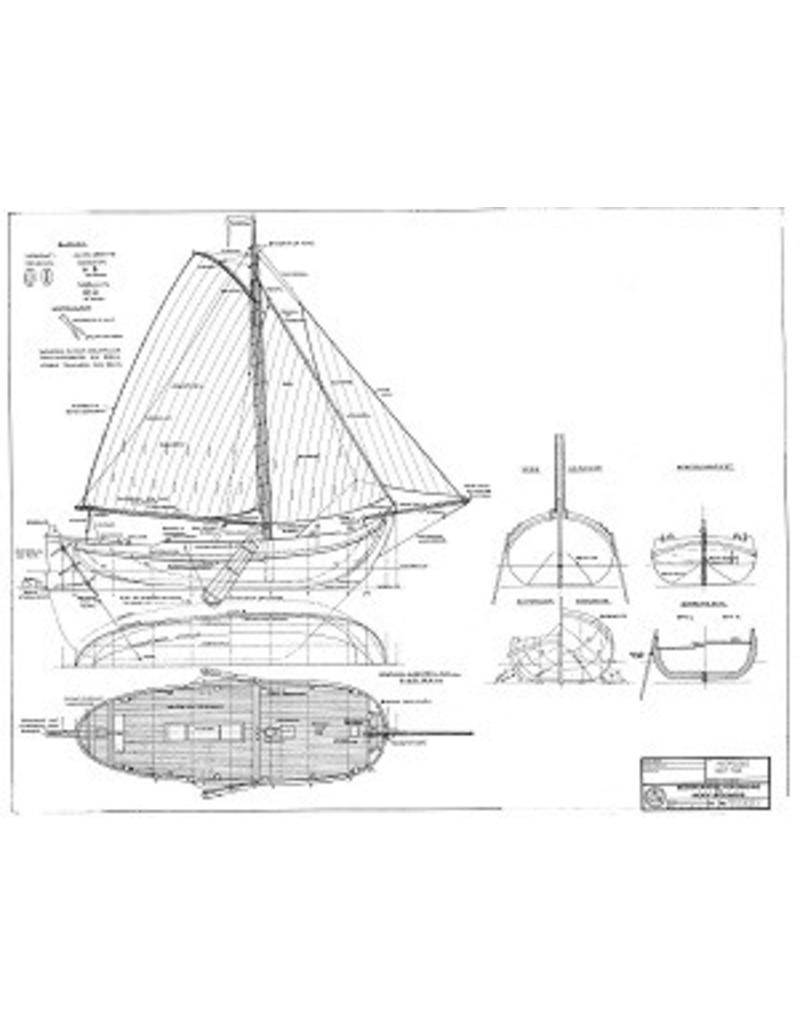
J. van Beylen |
|
Description |
North Sea botter (19th century) |
|
Quality |
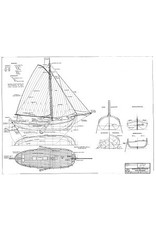
line drawings; elevation/rigging plan; deck plan; cross-sections; selected details |
|
Scale |
1 : 50 |
|
Number of sheets A00 |
0 |
|
Number of A0 sheets |
0 |
|
Number of A1 sheets |
1 |
|
Number of A2 sheets |
0 |
|
Number of A3 sheets |
0 |
|
Number of A4 sheets |
0 |
|
Total number of drawing sheets |
1 |
|
Number of A4 text pages |
0 |
|
Weight in grams |
65 |
|
Details |
L.O.A. 41 cm |