| Article number: | 10.03.035 |
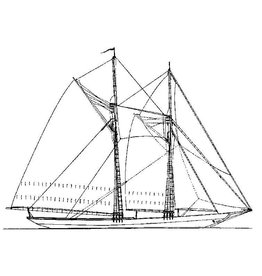
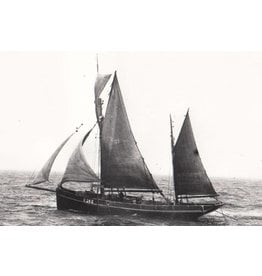
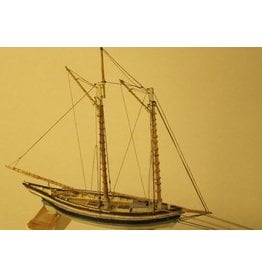
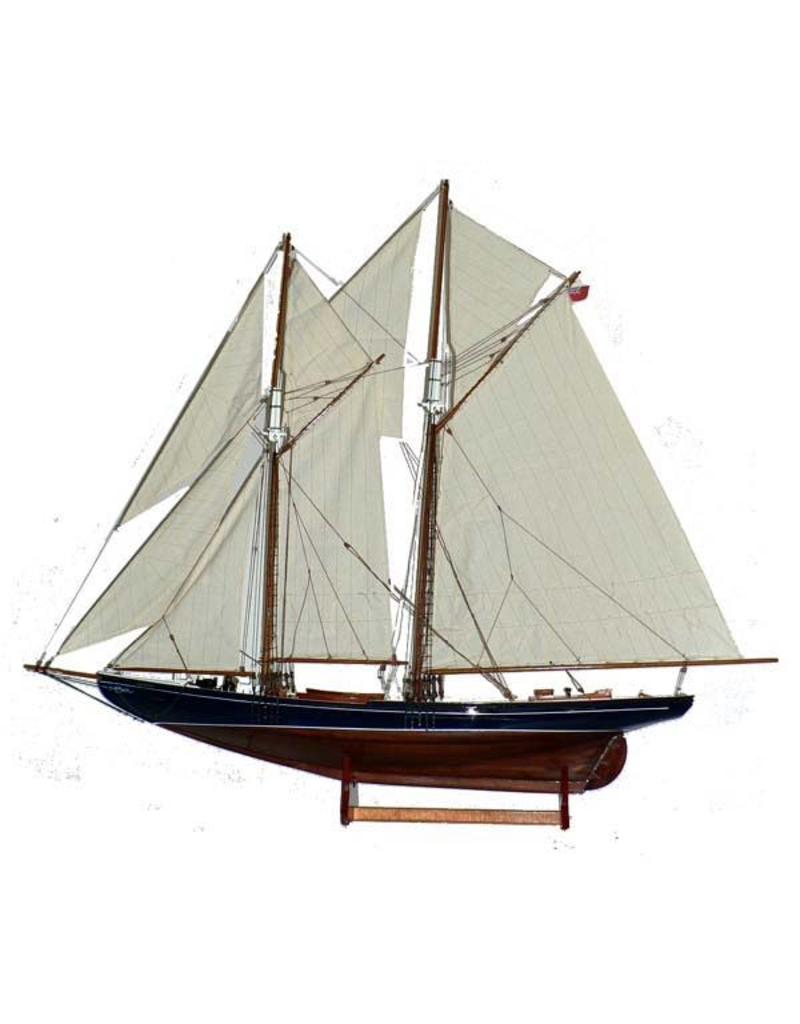
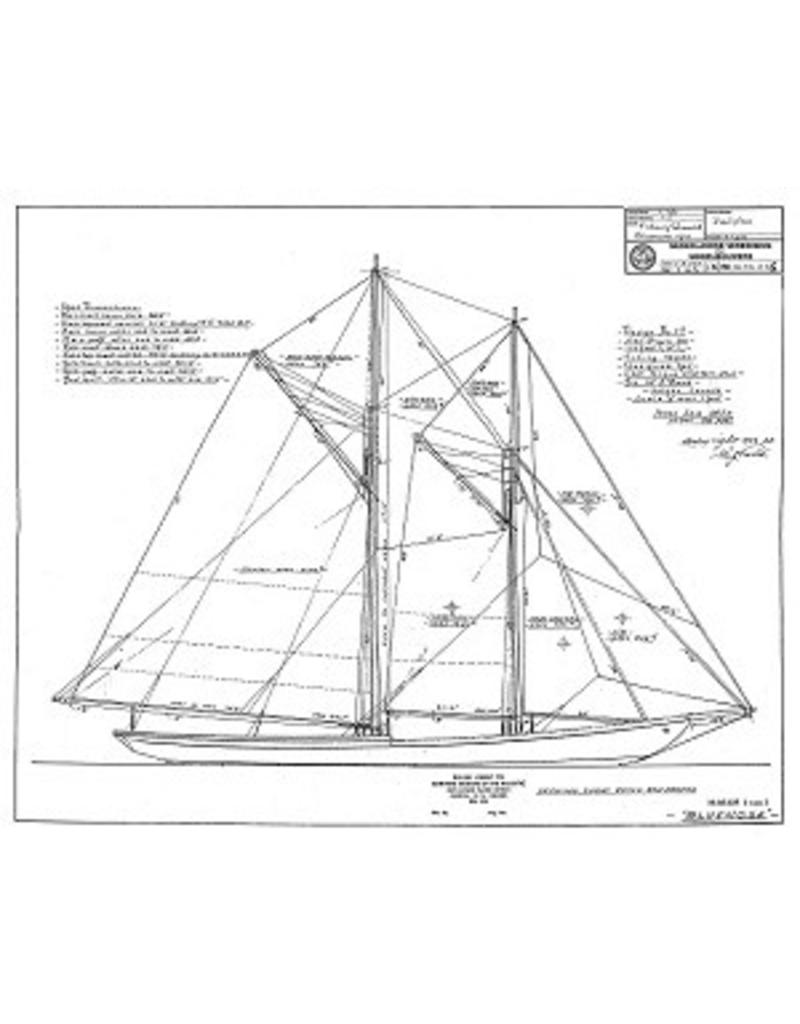
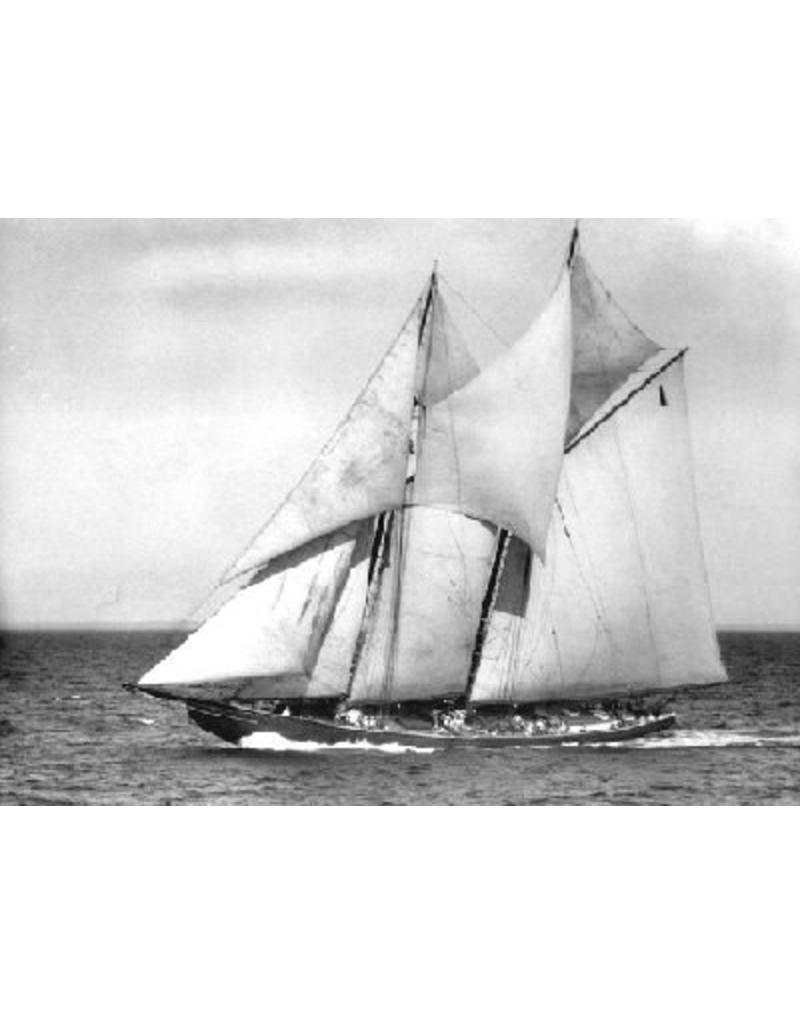
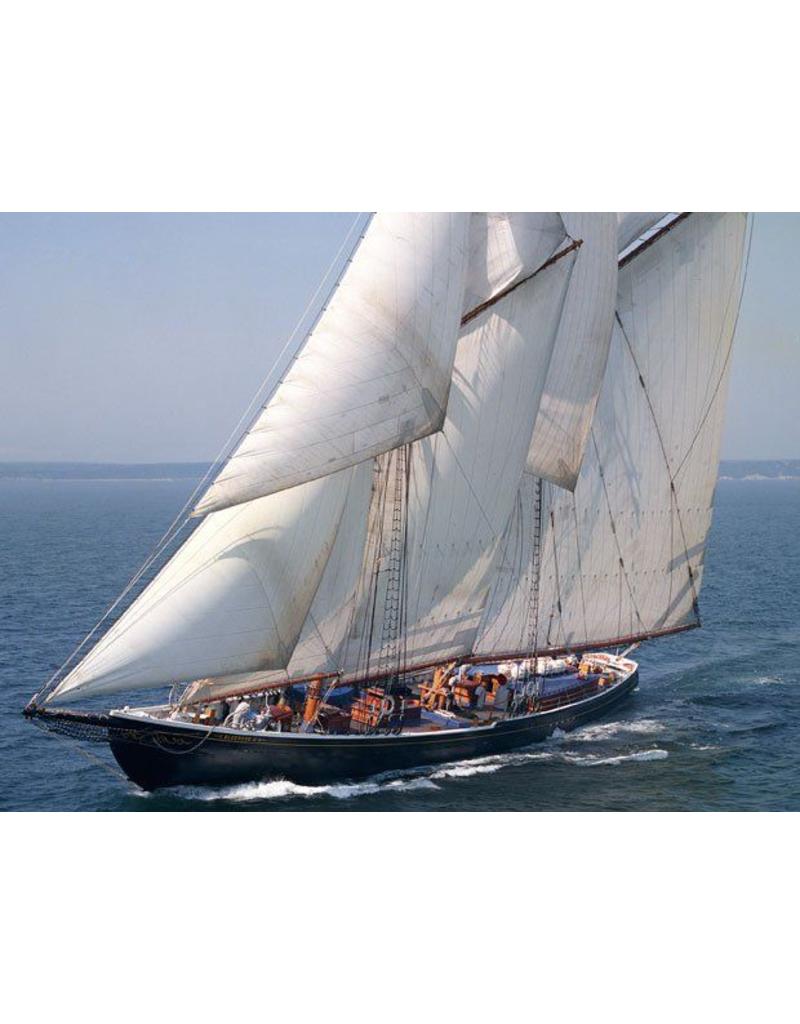
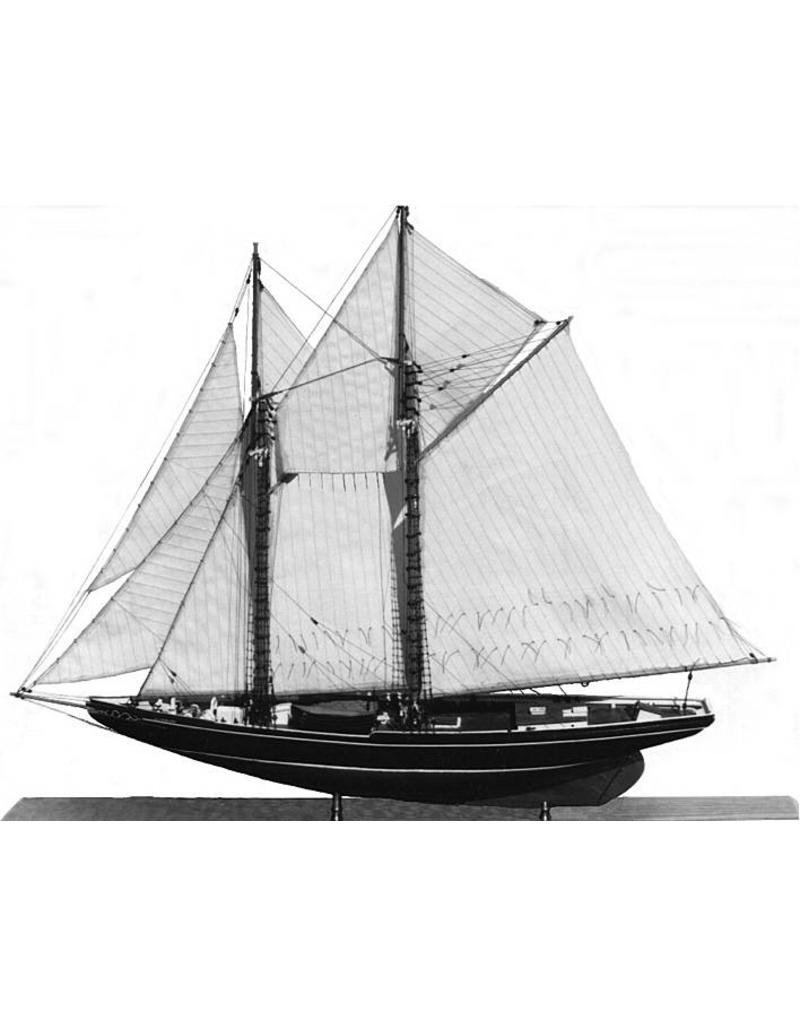
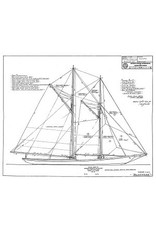
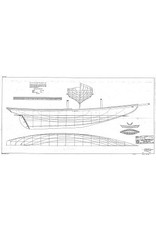
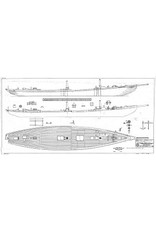
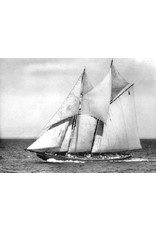
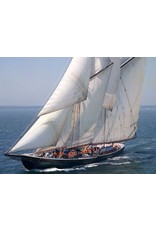
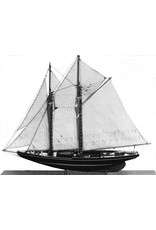
The Bluenose is an iconic ship from 1921, famous as a black fishing schooner from Canada. This ship is known as one of the most beautiful and fastest wooden sailing ships of its time and was designed for fishing in the Atlantic waters. The Bluenose became particularly famous for its performance in sailing races, especially its victories in the International Fishermen's Cup, where it defeated its American rivals.
Year of construction: 1921
Designer: William J. Roué, a Canadian naval architect.
Use: The ship was originally built for commercial fishing, particularly for cod fishing for the Nova Scotia fishing fleet.
Characteristics: The Bluenose was a schooner (two masts), with a length of approximately 47 metres. It had a powerful, streamlined hull that made it fast and agile for fishing, while also being capable of achieving high speeds in races.
The Bluenose is not only famous for its performance in fishing, but also holds significant cultural and historical importance for Canada. The ship became a national symbol and is even depicted on the Canadian 10-cent coin (the "dime").
Unfortunately, the original Bluenose sank in 1946 after the ship encountered a severe storm. However, a replica of the ship, the Bluenose II, was built in the 1960s, and this replica is still active as a sailing ship and is used for tourism and educational purposes.
Specifications :
|
Drawing number |
10.03.035 |
|
Author |
W.J. Roué |
|
Description |
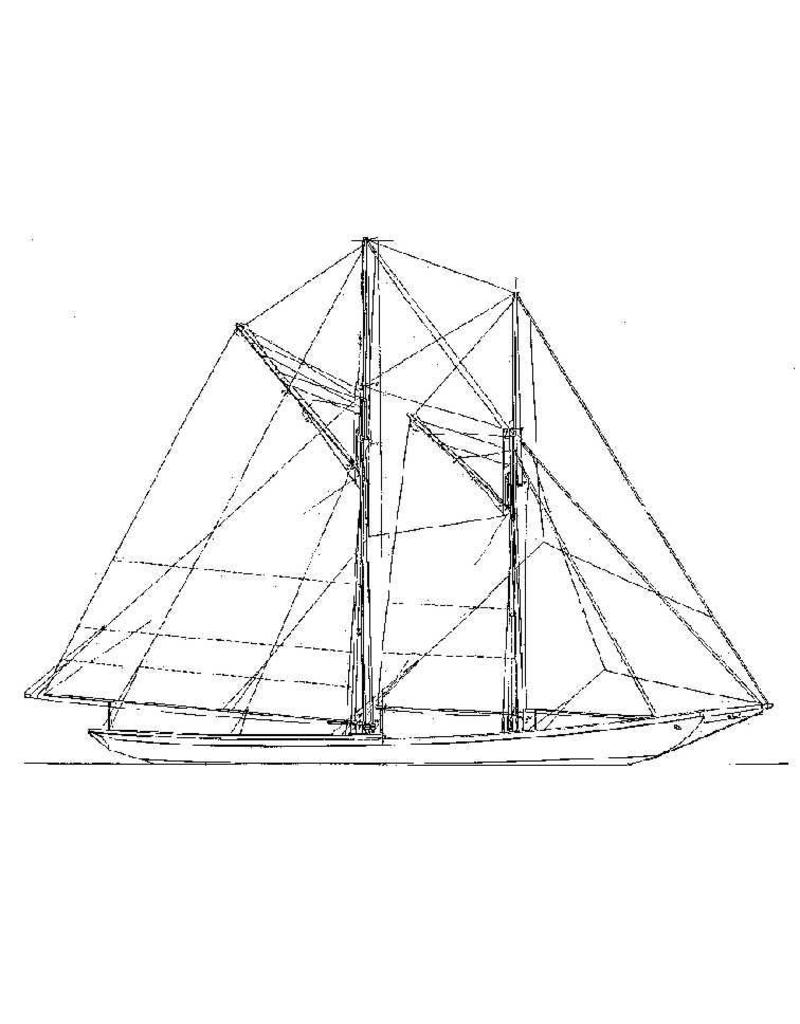
fishing schooner "Bluenose" (1921) |
|
Quality |
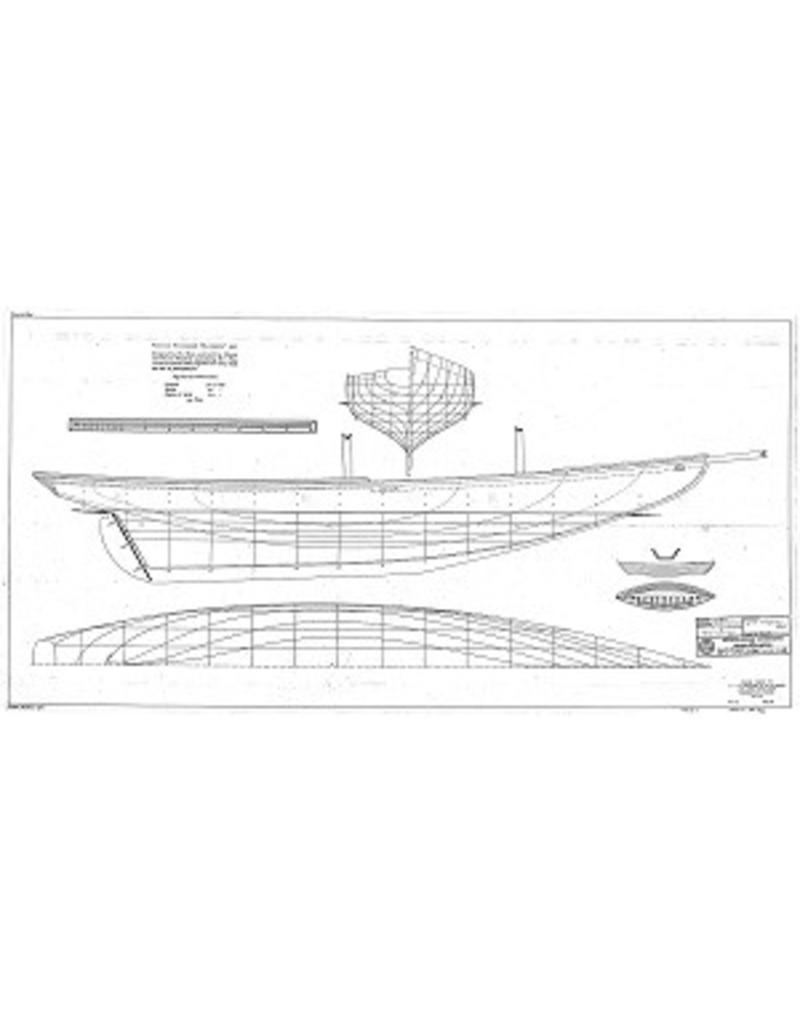
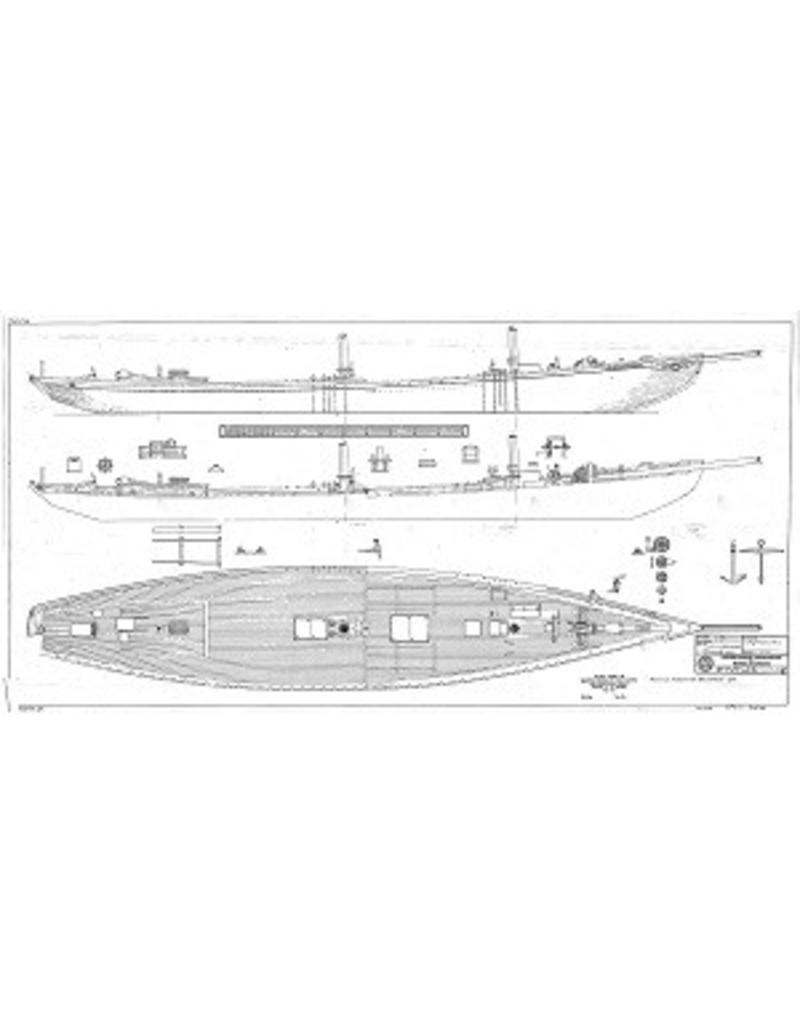
sp/lines; deck plan; elevation; rigging plan at half scale; Instructions on the drawing in English |
|
Scale |
1 : 96 |
|
Number of sheets A00 |
0 |
|
Number of sheets A0 |
2 |
|
Number of sheets A1 |
1 |
|
Number of sheets A2 |
0 |
|
Number of sheets A3 |
0 |
|
Number of sheets A4 |
0 |
|
Total number of drawing sheets |
3 |
|
Number of A4 text sheets |
0 |
|
Weight in grams |
225 |
|
Special features |
Drawing from Maritime Museum of the Atlantic, Halifax, Canada. |