| Article number: | 10.05.024 |
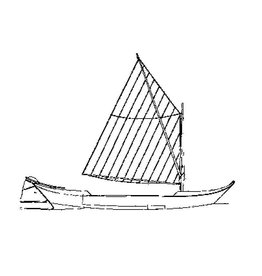
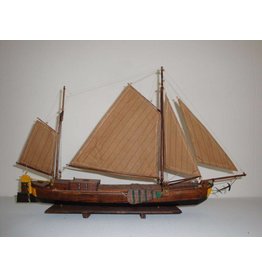
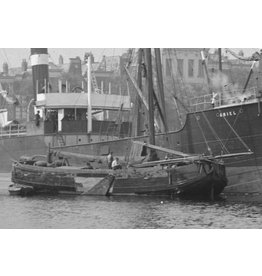
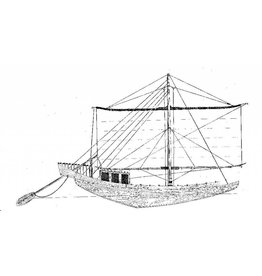
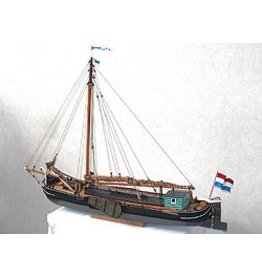
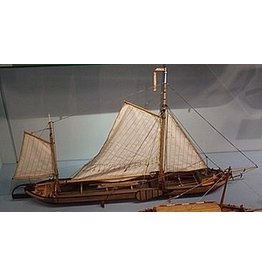
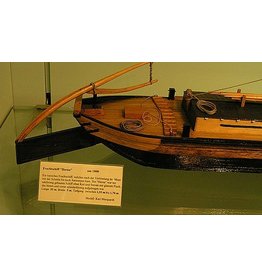
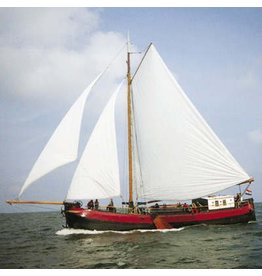
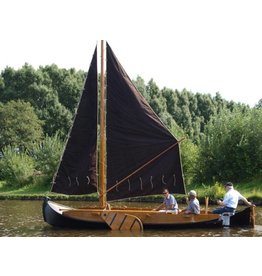
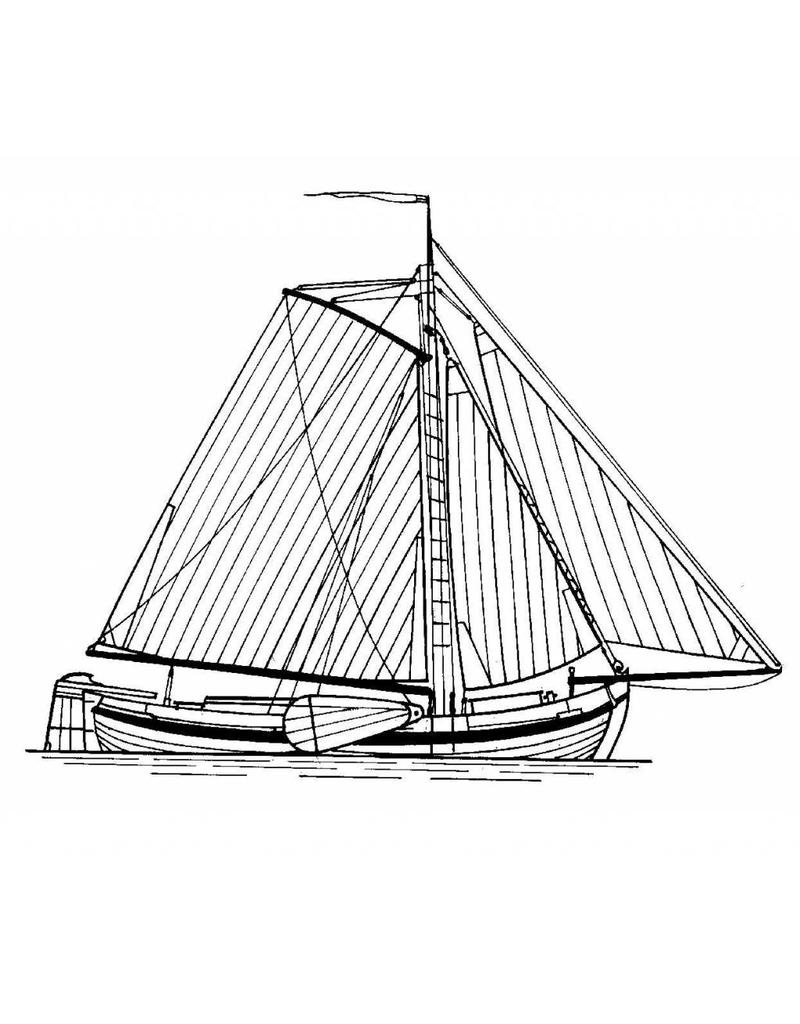
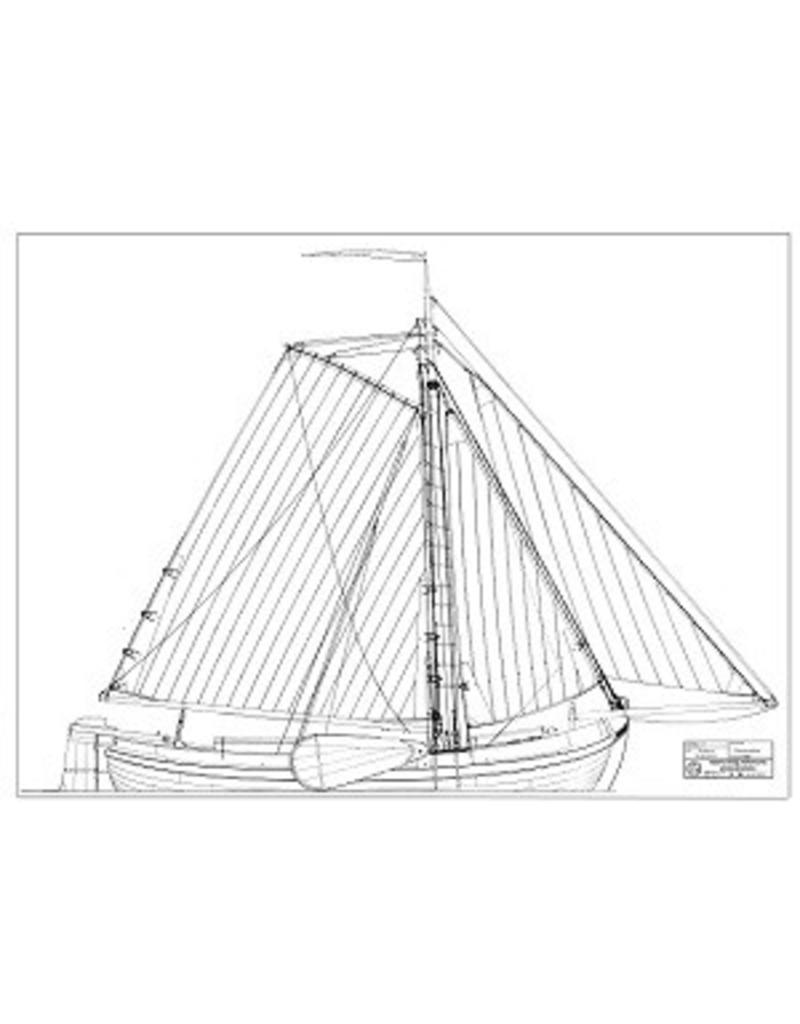
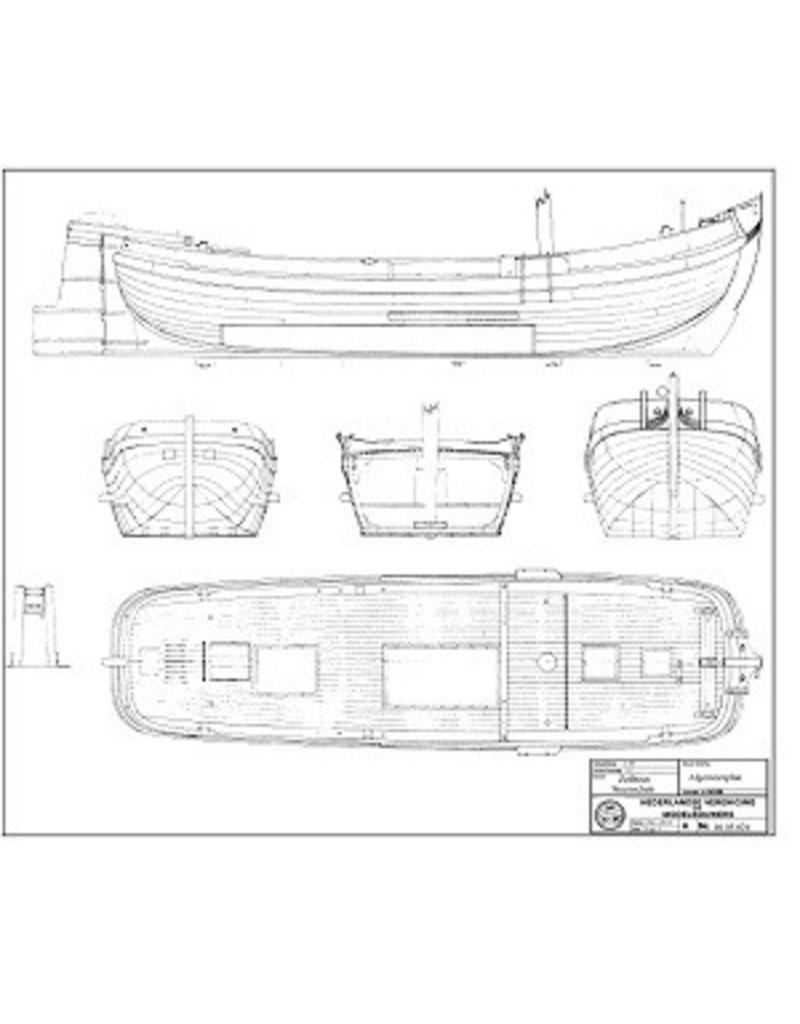
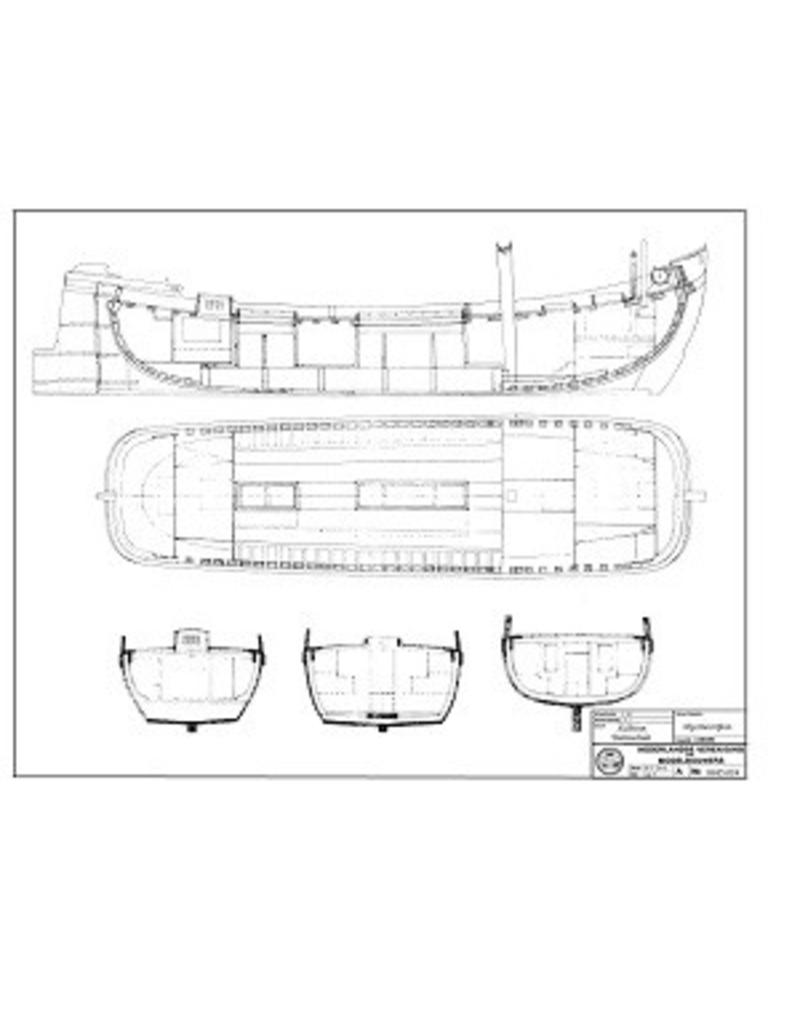
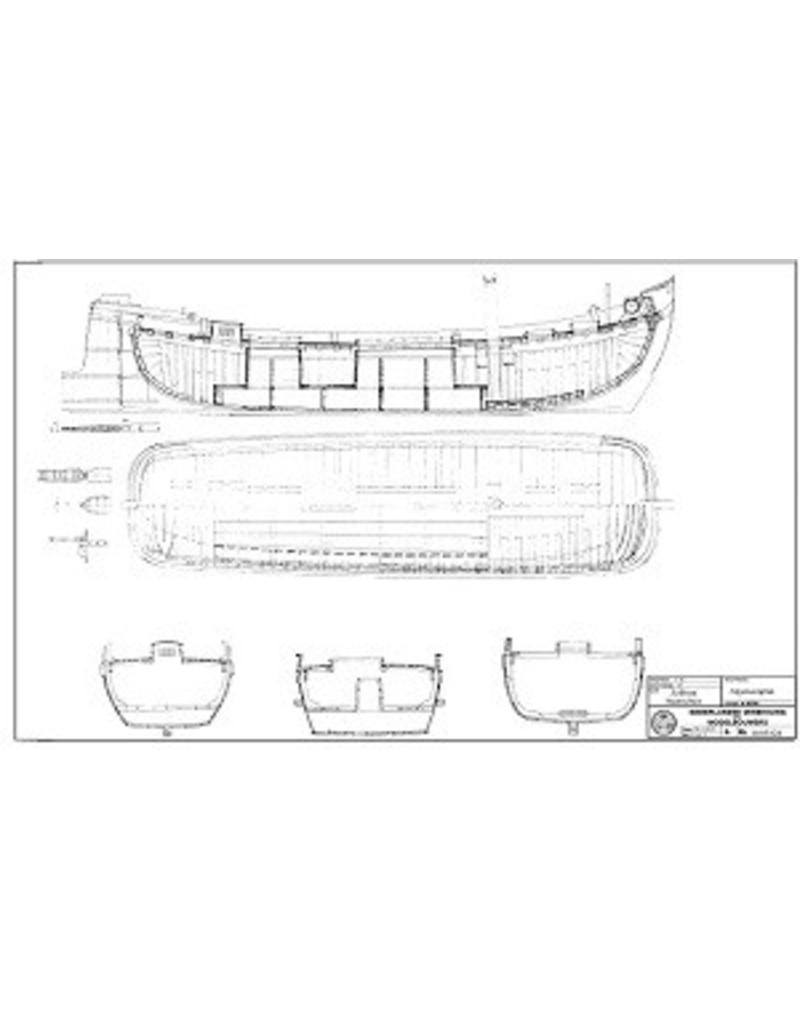
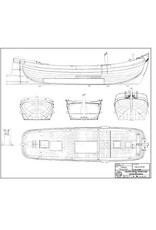
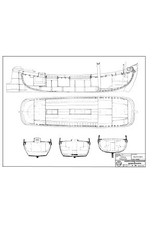
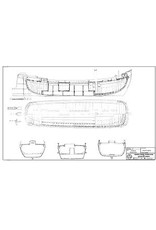
A stone barge is a type of flat-bottomed vessel specifically used for transporting stones and other heavy materials, especially on inland waterways. It was a relatively simple vessel well-suited for carrying heavy loads over shallow waters, such as rivers and canals. The stone barge is a typical example of a working vessel widely used in the 18th and 19th centuries for the construction of dykes, roads and other infrastructure projects in the Netherlands.
Type: Flat-bottomed, with a flat bottom that allowed the vessel to navigate shallow waters.
Length: Usually between 15 and 20 metres, but larger versions also existed.
Width: Approximately 4 to 5 metres wide.
Draught: Approximately 1 metre or less, which made it ideal for shallow canals and rivers.
Hull material: Usually built of wood, often with a sturdy, rectangular hull.
Use: The main purpose of the stone barge was the transport of stones, but it was also used for other heavy cargoes such as sand, clay and soil.
The stone barge was widely used in the 17th and 18th centuries, especially for the transport of boulders and other building materials needed for the construction of dykes and for land reclamation projects. In the Netherlands, large parts of the country were reclaimed by building dykes and pumping water out of polders. The stone barge played an important role in this.
Due to its flat bottom and limited draught, a stone barge could navigate shallow waters, even when heavily loaded. This made the vessel extremely suitable for transporting heavy building materials across the many canals and rivers in the Netherlands.
The stone barge was primarily used to transport stones, sand and other materials required for dyke and road construction. It was an essential workhorse for building the extensive water infrastructure of the Netherlands.
Like many other traditional vessels, the stone barge fell into disuse in the 19th and 20th centuries following the advent of modern means of transport, such as the steamboat and later the lorry. The development of modern infrastructure, including asphalt roads and bridges, meant there was less need for this type of vessel for transporting heavy materials.
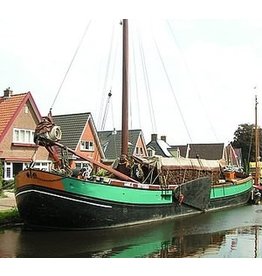
Although the stone barge has largely disappeared as a working vessel, it remains an important part of the maritime history of the Netherlands. Replicas or restored examples of the stone barge are sometimes used for educational purposes or tourist boat trips, especially along historical canals and waterways where the vessel was formerly active.
Specifications :
|
Drawing number |
10.05.024 |
|
Description |
Stone Barge |
|
Contents |
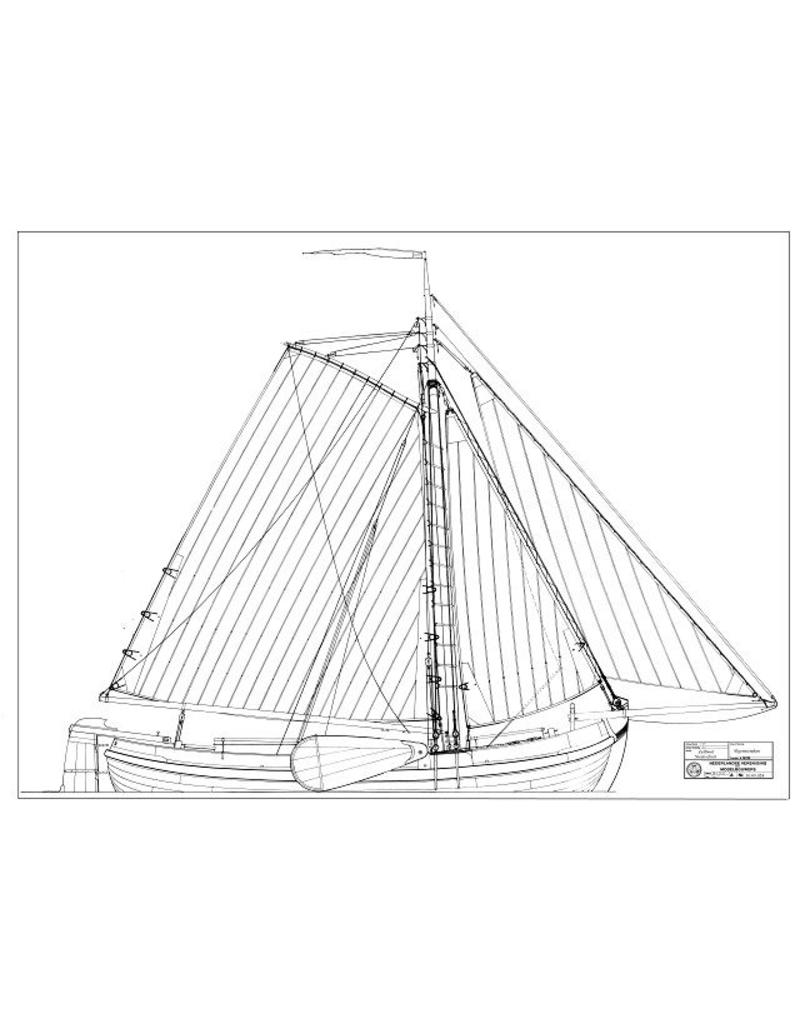
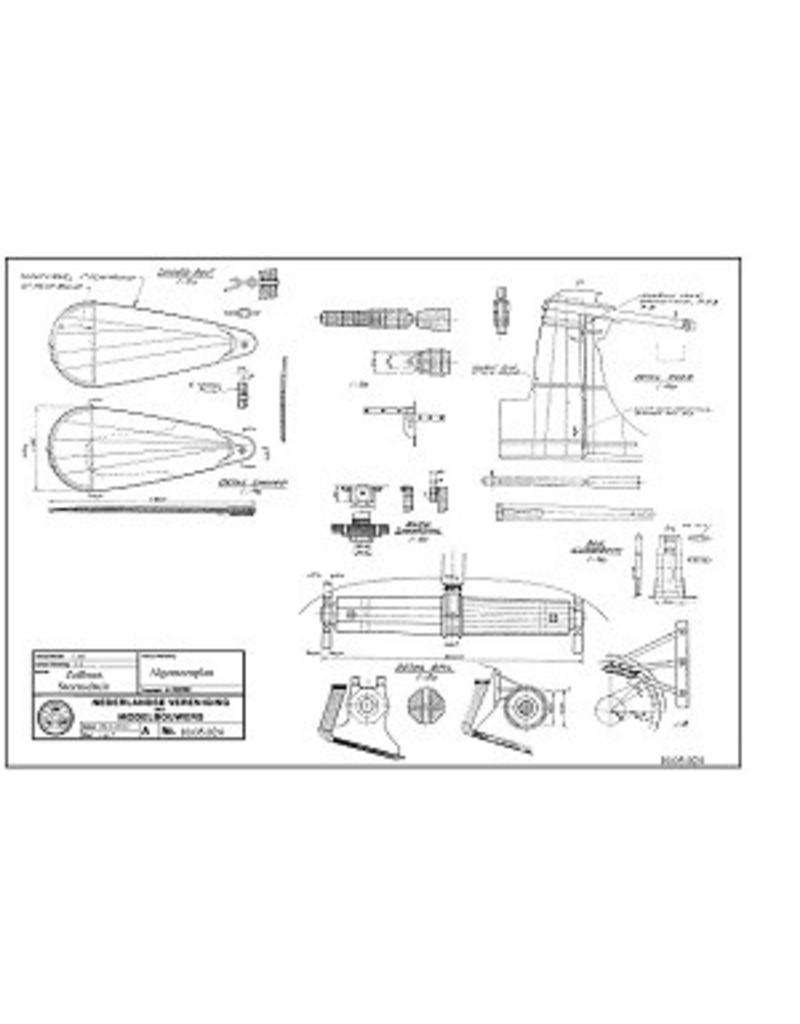
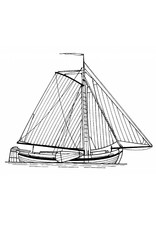
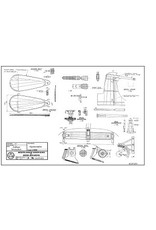
general plan; frame plan 1:40; views 1:40; rigging plan; details |
|
Scale |
1 : 25 |
|
Number of sheets A00 |
0 |
|
Number of sheets A0 |
1 |
|
Number of sheets A1 |
0 |
|
Number of sheets A2 |
3 |
|
Number of sheets A3 |
1 |
|
Number of sheets A4 |
0 |
|
Total number of drawing sheets |
5 |
|
Number of A4 text sheets |
0 |
|
Weight in grams |
175 |
|
Remarks |
l.o.a. 77 cm |