| Article number: | 50.02.009 |
Douglas DC-5
Source:www.wikipedia.org/wiki/Douglas_DC-5
Ì´Ì_
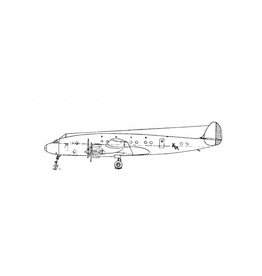
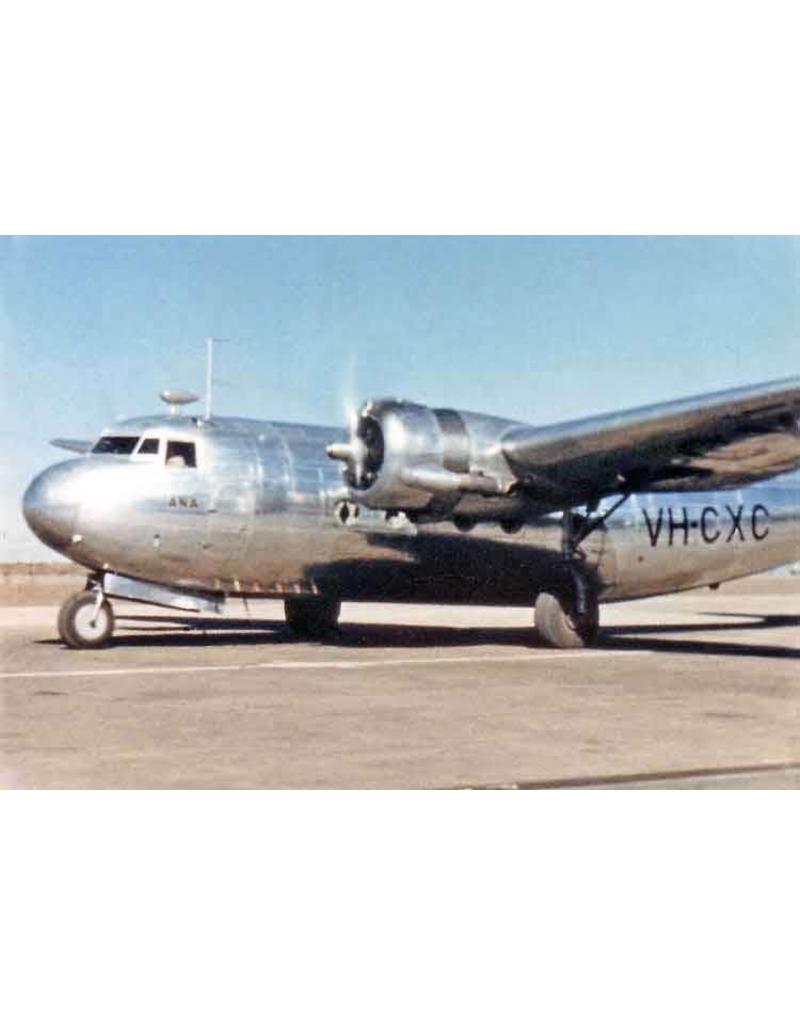
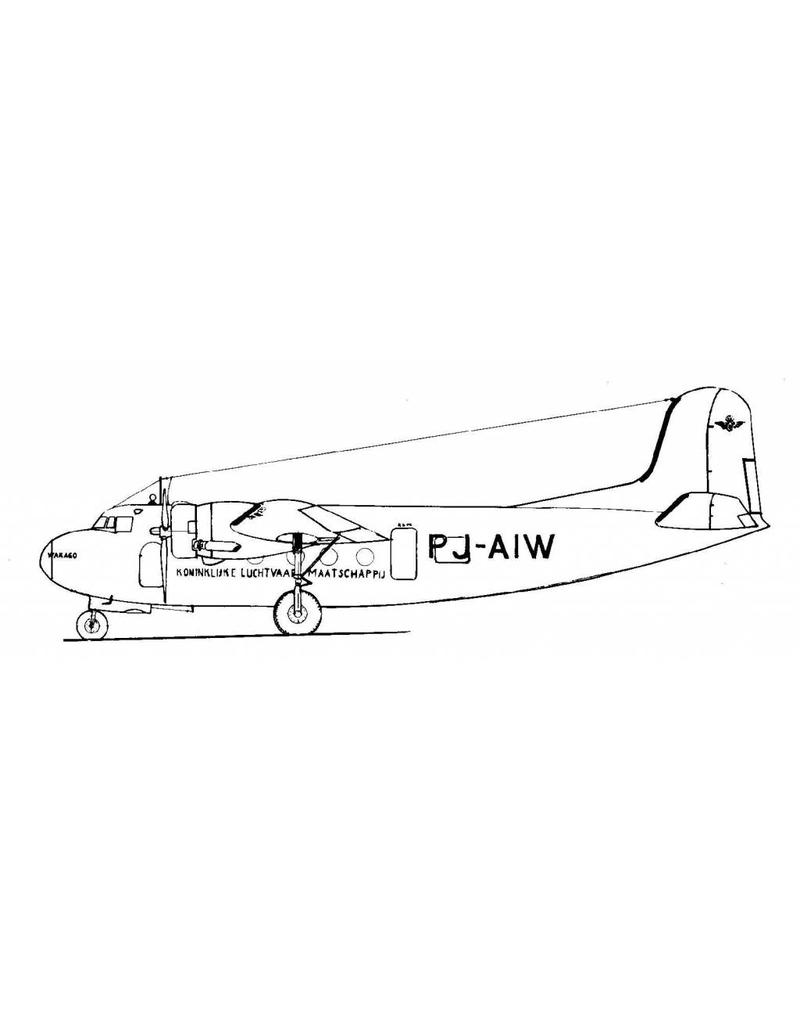
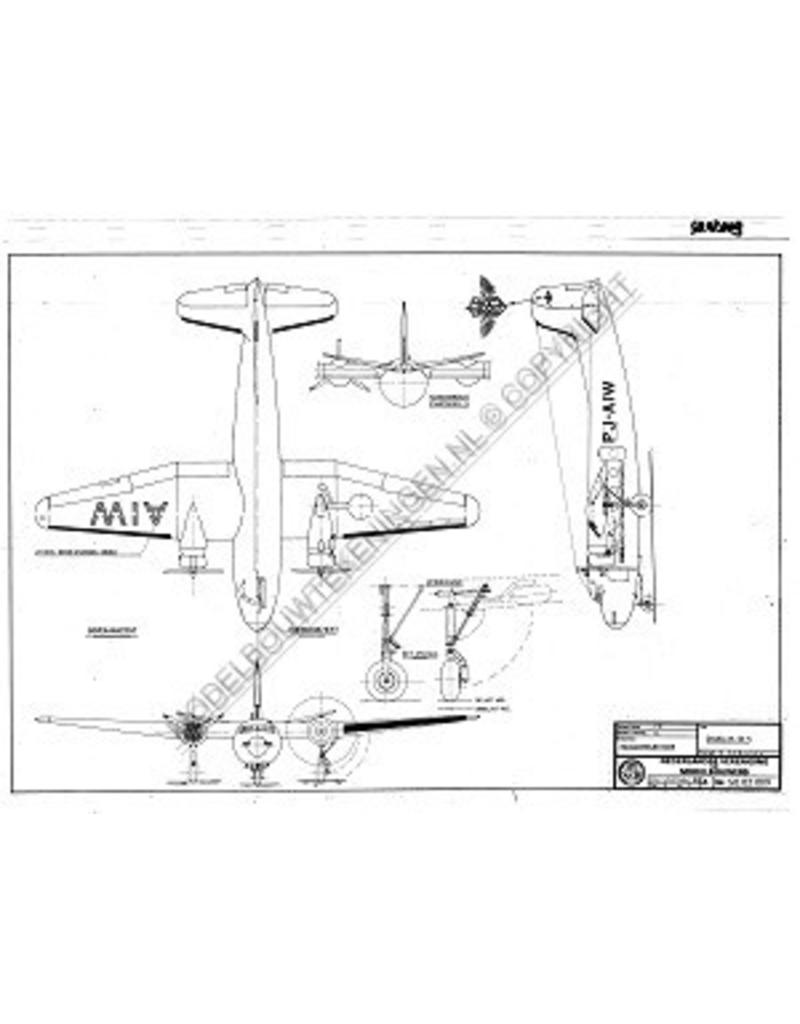
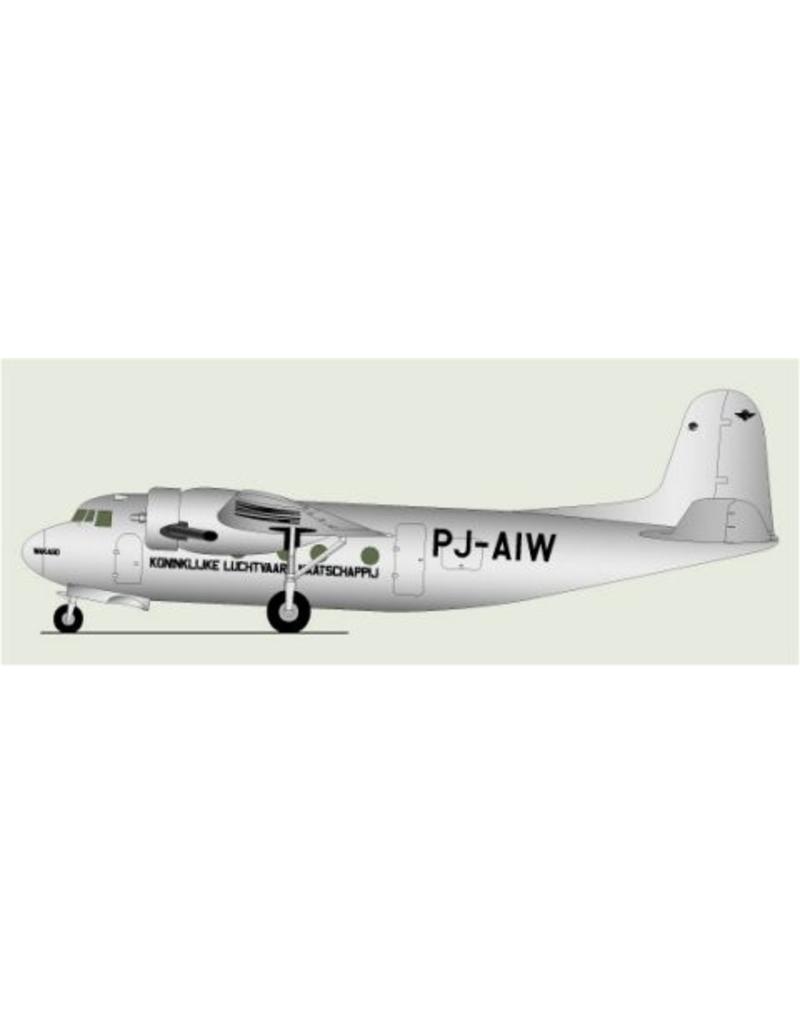
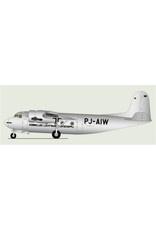
The Douglas DC-5, the least well-known of the DC series, was a twin-engine propeller aircraft for 16 passengers, intended for shorter routes than the DC-3 and DC-4. Unlike the other aircraft in the DC series, the DC-5 was a high-wing aircraft.
Although Douglas received several orders for the DC-5, many airlines cancelled their orders by the time the aircraft was due to enter service in 1940, due to the outbreak of the Second World War. Douglas was already switching to military production at that time and decided to concentrate its transport aircraft manufacturing on the DC-3, which had already proven its worth. As a result, only five DC-5s were built for civil aviation, one of which was a prototype.
Ironically, the prototype (fitted with just eight seats) became the private aircraft of aircraft manufacturer William Edward Boeing; his company had already switched entirely to military production. It was later sold to the US Army and converted for military use.
The other four aircraft were delivered to KLM, the only airline that had not cancelled all its orders. Due to the German invasion of the Netherlands in 1940, these four aircraft were never delivered to the Netherlands. Two aircraft were sold on by KLM to the KNILM in the Dutch East Indies, where they entered service during 1940. The other two aircraft were put into service by the KLM subsidiary KLM West-Indisch Bedrijf in the Netherlands Antilles. As they proved unsuitable for service in the Caribbean, they were eventually sold to the KNILM in 1941. During the Japanese invasion of the Dutch East Indies in 1942, one DC-5 fell into Japanese hands. The other three escaped to Australia, where they were sold to the US Army. Two of them were later used as civilian aircraft in Australia, and in 1948 the last remaining DC-5 was apparently smuggled to Israel for possible military use. The aircraft in service with the US Army were designated C-110.
A military version of the DC-5 was also developed for the US Navy. This version was designated the R3D. Only seven aircraft of this type were built.
Civilian users[edit]
Military users[edit]
Technical data:
| Ì´Ì_ | |
|
Manufacturer |
|
|
Length |
19.0 m |
|
Wingspan |
23.8 m |
|
Height (from the ground) |
6.0 m |
|
Passenger seats |
18–24 and |
|
Empty weight |
6,240 kg |
|
Wing area |
76.6m² |
|
Max. take- off weight |
9,070 kg |
|
Engines |
2x Pratt & Whitney GR-1820-F62 radial engines, each producing 900 hp (671 kW) |
|
Cruising speed |
325 km/h |
|
Cruising altitude |
3,050 m |
|
Max. range |
2,575 km |
|
Maiden flight |
20 February 1939 |
|
Status |
Historical |
|
Main users |
Military and civil |
|
Number built |
12 |
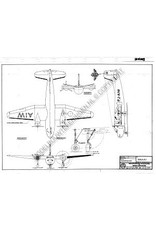
Specifications Model construction drawing:
|
Drawing number |
50.02.009 |
|
Author |
J.H. Bosman |
|
Description |
Douglas DC-5 |
|
Quality |
A dimensional sketch with limited data |
|
Level of difficulty |
Ì´Ì_ |
|
Scale |
1 : 72 |
|
Number of sheets A00 |
0 |
|
Number of A0 sheets |
0 |
|
Number of A1 sheets |
0 |
|
Number of A2 sheets |
1 |
|
Number of A3 sheets |
0 |
|
Number of A4 sheets |
0 |
|
Total number of drawing sheets |
1 |
|
Number of A4 text pages |
0 |
|
Weight in grams |
45 |
|
Details |
dM 1981/2 |
|
Comments |
Ì´Ì_ |