| Article number: | 10.00.023 |
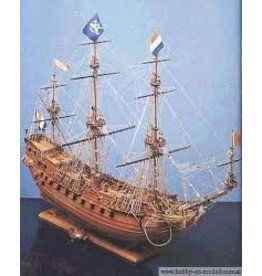
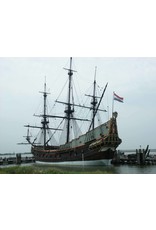
VOC ship Batavia.
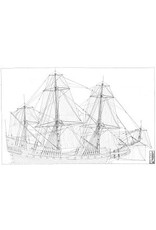
The VOC ship Batavia is one of the most famous ships in the history of the Dutch East India Company (VOC). It was built in 1628 in the Dutch city of Amsterdam and was a warship used for trade and exploration in Asia. The Batavia became particularly well-known for the dramatic event that occurred during its voyage to the East.
Construction and specifications:
The ship was built in the VOC shipyard in Amsterdam and was a so-called Indiaman, a type of ship specifically designed for long voyages to Asia. It was 42 metres long, had a width of approximately 11 metres and a draught of 5 metres.
The voyage and shipwreck:
The Batavia departed from the Netherlands in October 1628 on its maiden voyage to the East. The ship carried not only trade goods but also a large group of soldiers and colonists, including the famous Governor-General Pieter de Carpentier.
In June 1629, during the voyage, the Batavia ran aground on the Houtman Abrolhos, an uninhabited island off the coast of Australia. The ship got into trouble there due to a navigational error, with the captain, Francisco Pelsaert, misjudging the course.
The tragedy:
After the shipwreck, the survivors found themselves on an inhospitable island, and what followed was a tragic story of mutiny and violence. The junior merchant Jeronimus Cornelisz, who hatched a plan to lead a mutiny, murdered hundreds of people in what became known as the "Batavia tragedy."
Ultimately, the survivors were rescued by the ship Sirius, which was sent to provide assistance. Most of the conspirators were apprehended, tried, and executed.
Remains and excavations:
The remains of the Batavia were discovered in 1960 near the Houtman Abrolhos. Archaeologists have since excavated various parts of the ship, and it became an important historical monument for the VOC period.
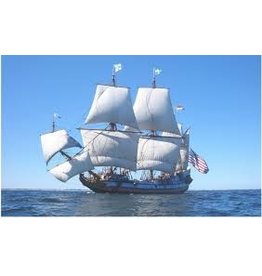
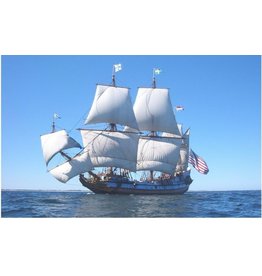
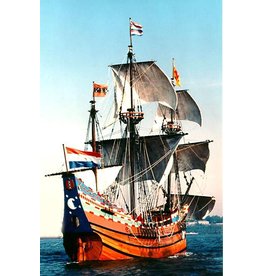
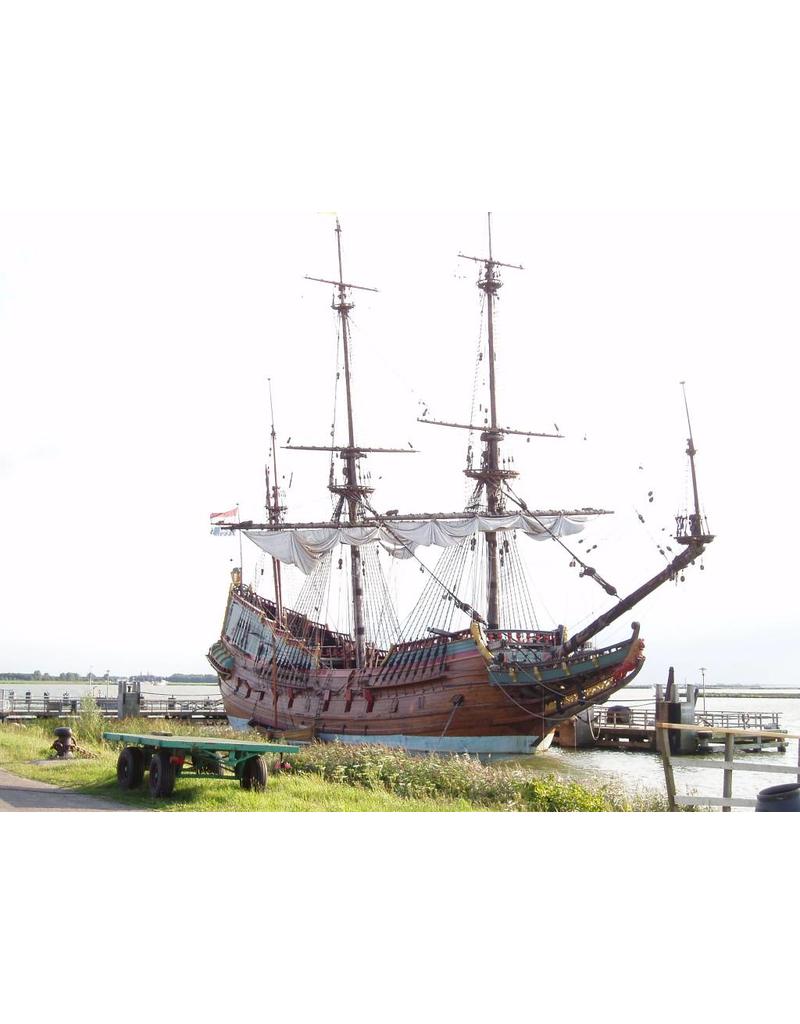
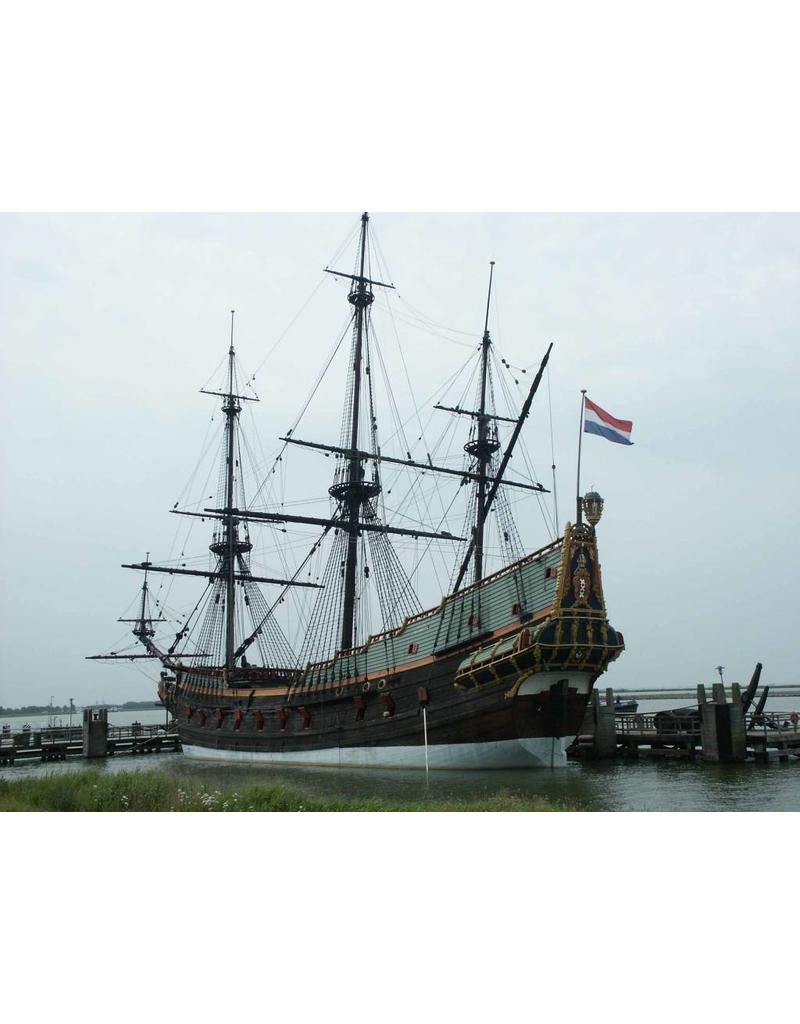
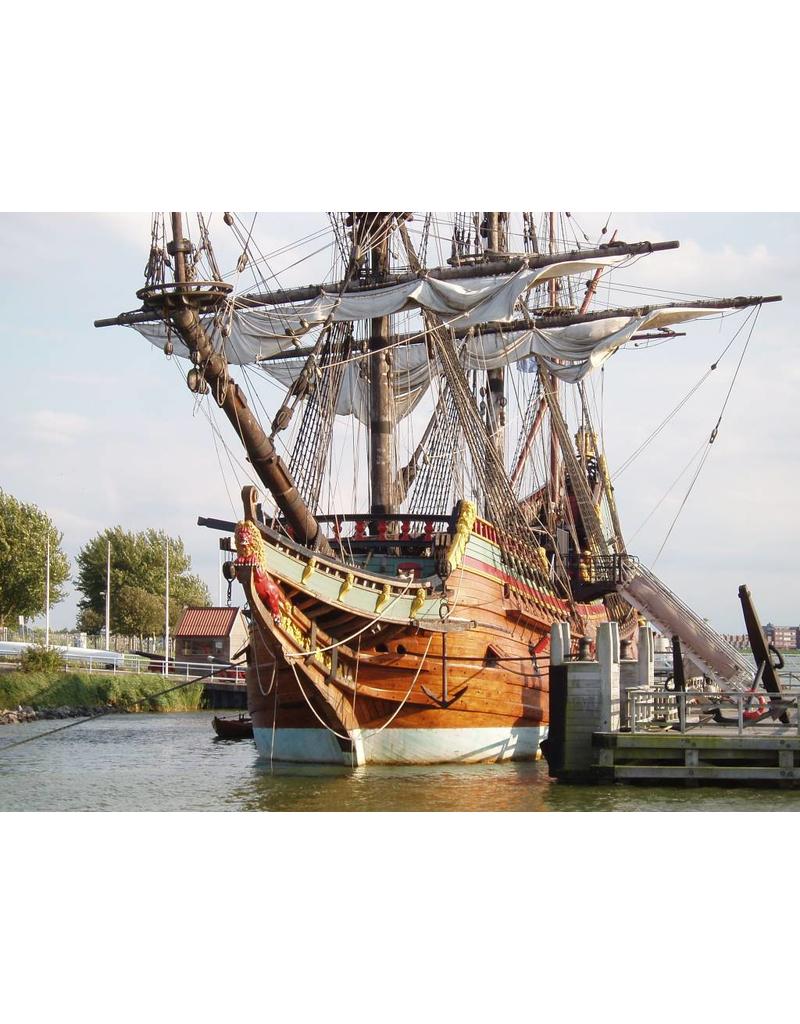
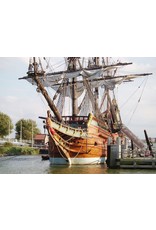
The reconstruction of the Batavia began in 1985. Under the leadership of master shipbuilder Willem Vos, a changing group of reintegration trainees, volunteers, and employees built the ship. The guiding principles were authentic reconstruction, using original materials and traditional building methods. On 7 April 1995, Queen Beatrix christened this ship 'Batavia', after which it was launched.
Despite the frugal nature of the Dutch, VOC ships were richly decorated with much carving. The Galleon Lion on the Batavia is, as it were, the face of the ship. It is very striking. The lion is made of Linden wood.
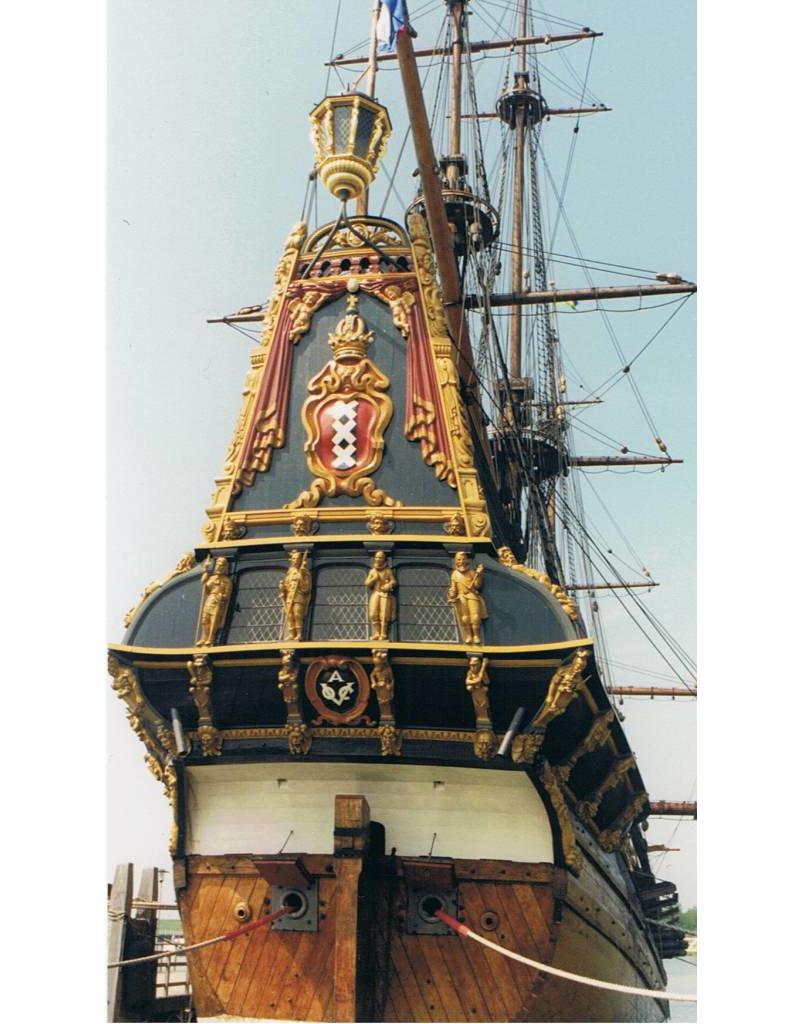
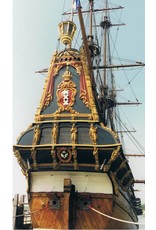
The stern is the calling card of the Batavia. You can read on it which company, in this case the VOC, it belongs to, and where it comes from. The VOC had six chambers, each with its own letter. A stands for Amsterdam. A beautiful seascape is painted on the concave section.
The four standing figures are two Germanic people and two Nassaus, referring to the Batavian myth, to which the ship owes its name. The strange figures below them served to ward off sea spirits.
Source : www.bataviawerf.nl/voc-schip-batavia
Specifications :
|
Drawing number |
10.00.023 |
|
Description |
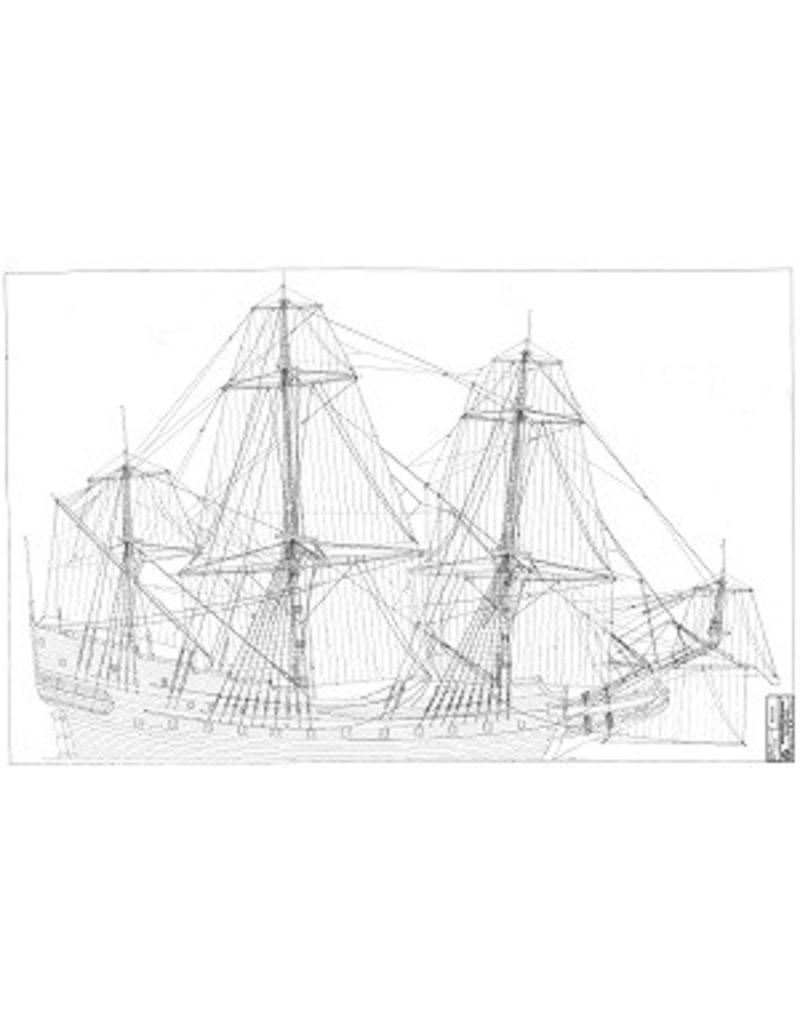
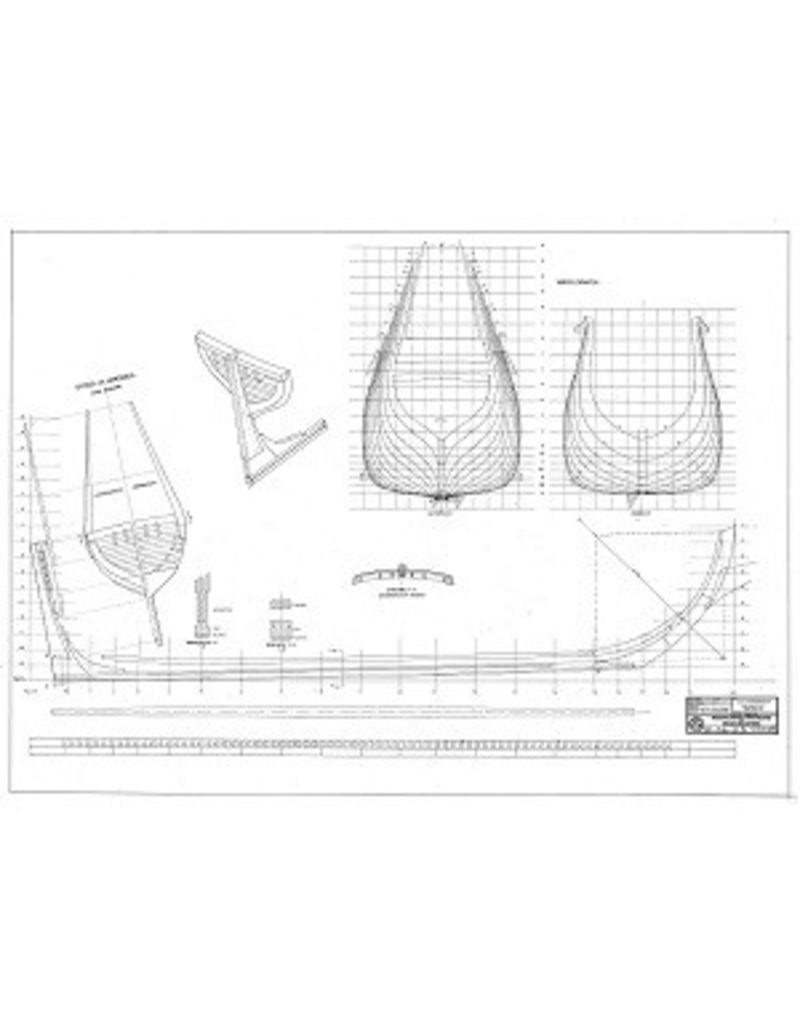
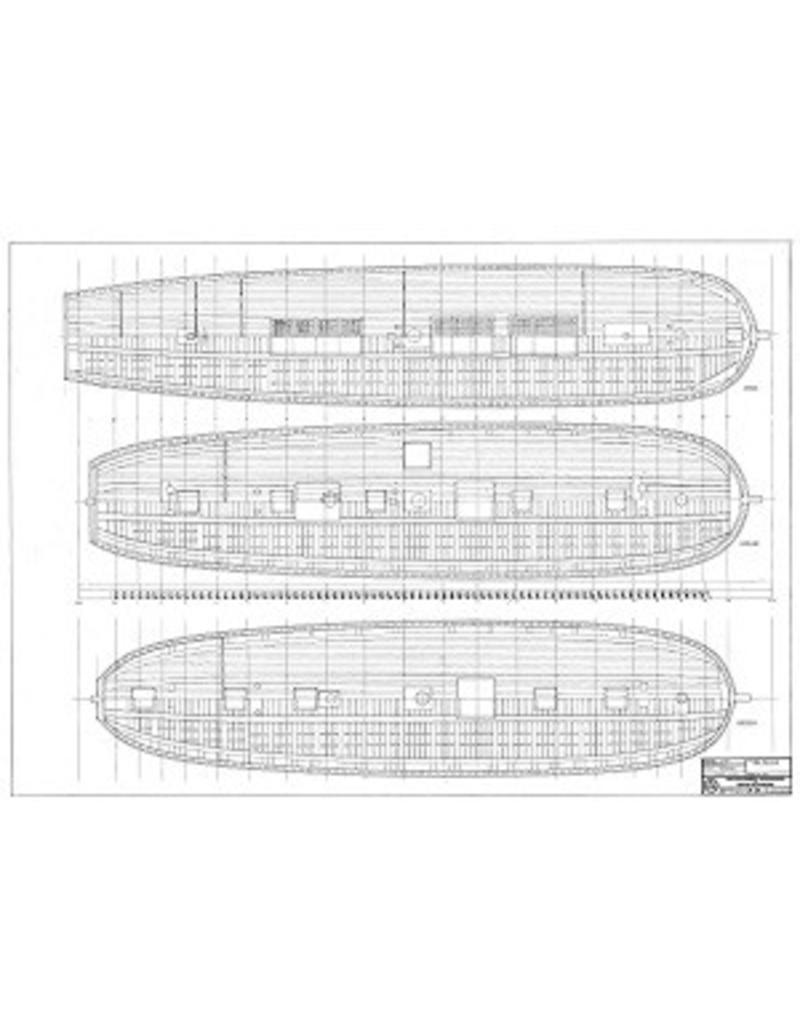
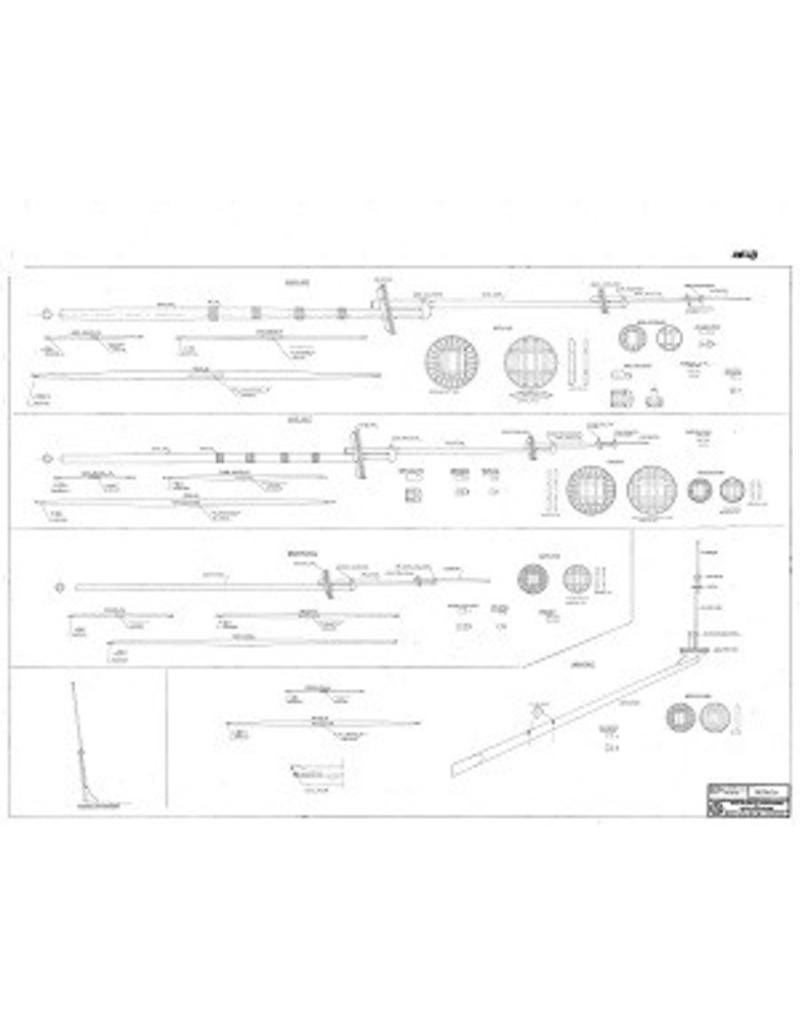
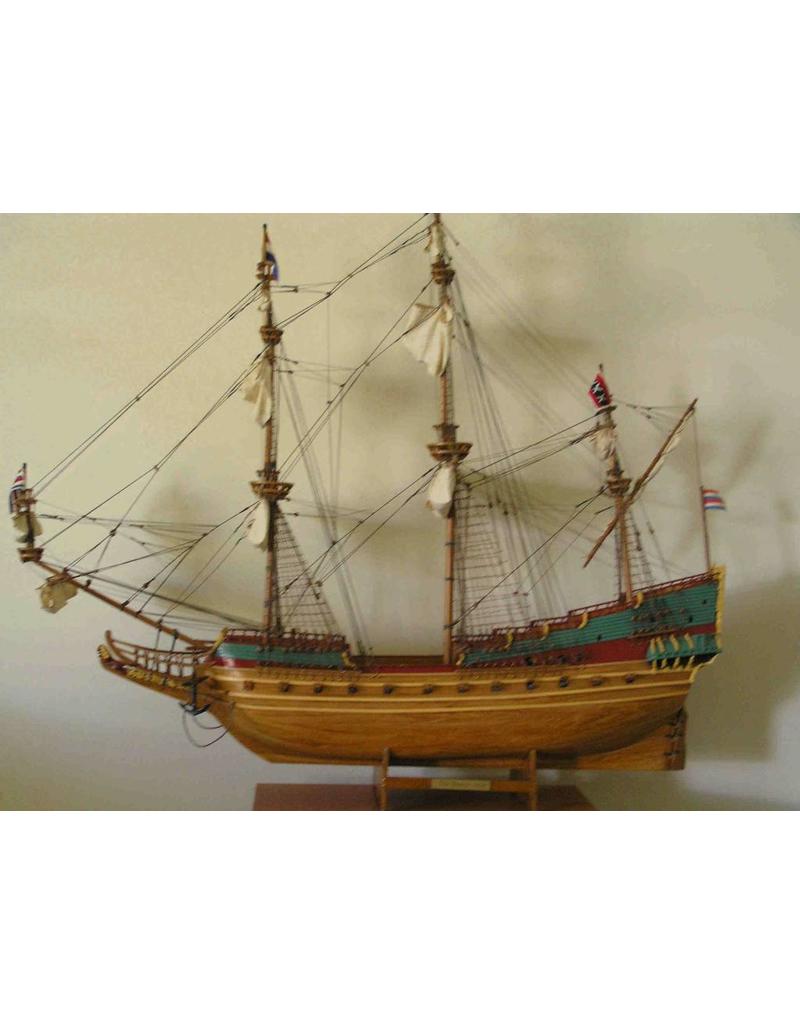
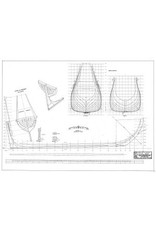
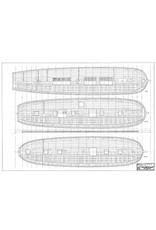
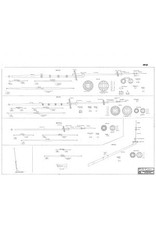
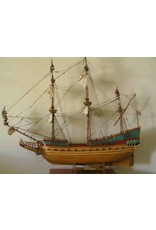
VOC return ship "Batavia" (1627) |
|
Quality |
sp/lines; views, sections, details and rigging plan |
|
Difficulty level |
D |
|
Scale |
1 : 50 |
|
Number of sheets A00 |
0 |
|
Number of sheets A0 |
11 |
|
Number of sheets A1 |
3 |
|
Number of sheets A2 |
0 |
|
Number of sheets A3 |
0 |
|
Number of sheets A4 |
0 |
|
Total number of drawing sheets |
14 |
|
Number of A4 text sheets |
0 |
|
Weight in grams |
850 |
|
Special features |
l.o.a. 114 cm |
|
Remarks |