| Article number: | 10.02.009 |
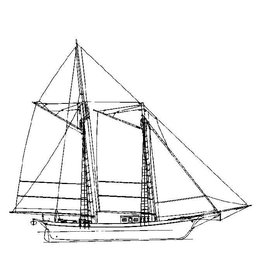
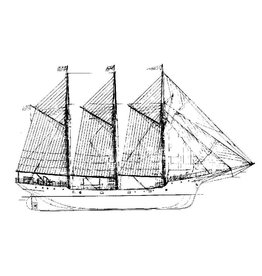
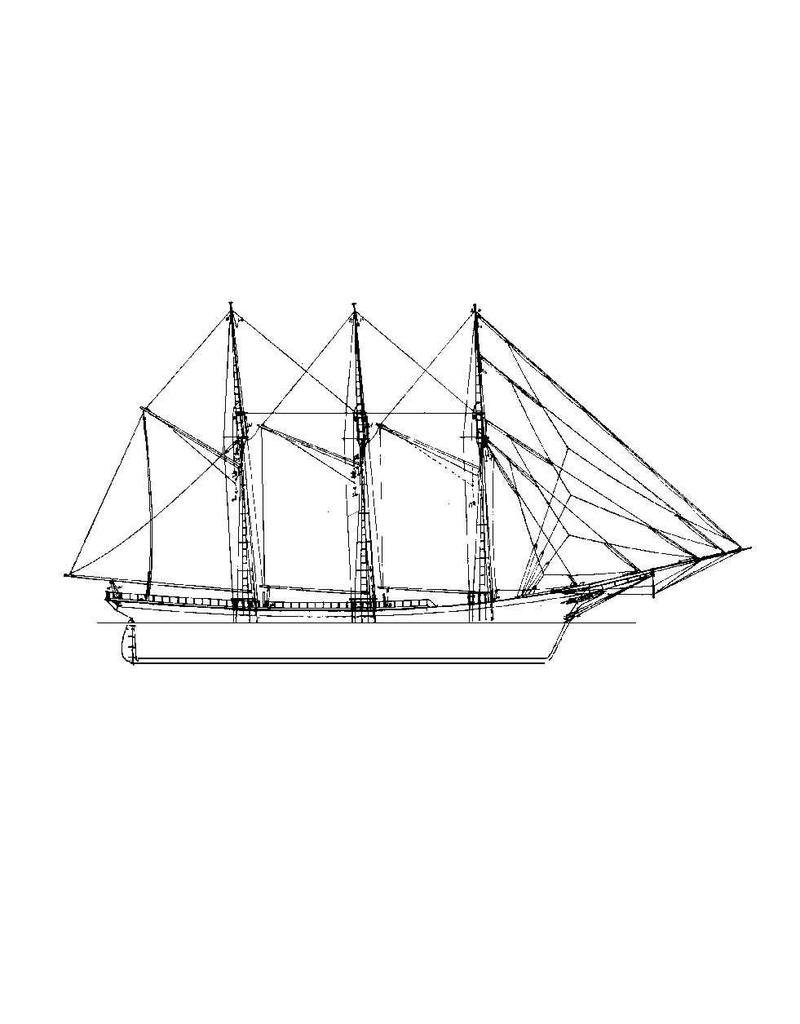
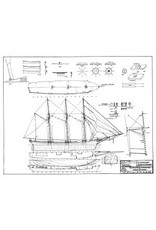
The Marion F. Sprague was a famous American coastal schooner, built in 1889, which was known for its impressive dimensions and capabilities as a sailing vessel. It was mainly used for commercial purposes, such as transporting goods along the east coast of the United States. The Marion F. Sprague is a fine example of the classic coastal schooner from the late 19th century.
Construction and Design:
The Marion F. Sprague was designed as a schooner, a type of sailing ship with two masts, where the forward mast (the foremast) usually carries a smaller sail area than the aft mast (the mainmast). This design made the ship fast and manoeuvrable, which was ideal for navigating along the coast and in harbours.
The ship had a wooden hull, typical of the time, and was built in New York. She was 56 metres long and approximately 8 metres wide. Her draught was relatively shallow, enabling her to operate effectively in shallow waters and harbours.
Use:
The Marion F. Sprague was originally used for cargo transport. She carried a wide range of goods, including coal, timber and agricultural produce, along the east coast of the United States.
The ship was renowned for its efficiency and reliability in transporting cargo, particularly within the sailing industry for commercial trade.
Sails:
As a coastal schooner, the Marion F. Sprague was equipped with a two-masted sailing system, which allowed her to make optimal use of the wind for her speed and manoeuvrability.
She was capable of covering long distances using both tactical sail handling and favourable winds, whilst at the same time being able to navigate in winding waters, such as the harbours and shallow bays of the American east coast.
Significance and History:
The Marion F. Sprague was one of the last great commercial sailing ships of her time. She symbolised the decline of traditional sailing in the 19th century, as steamships and later motor vessel technology gained the upper hand in the shipping industry.
Her construction in 1889 came in the midst of a transitional era for sailing, when steamships and motorised vessels were beginning to gain ground.
Fate of the Ship:
After her active years, the Marion F. Sprague was eventually dismantled and taken out of service in the 20th century. However, the ship still represents an important milestone in the history of American sailing.
The Marion F. Sprague was an iconic example of the 19th-century sailing tradition, when the coastal schooner design was very common for trade along the American east coast. The ship illustrates the importance of sailing vessels to the economy of the time, particularly for the trade of goods in the period before the dominance of steam and motor boats.
The Marion F. Sprague was a typical late 19th-century coastal schooner, a vessel that represented the workhorse of commercial sailing, used for transport along the American coast. The ship symbolises both technological progress and the transition from traditional sailing to motorised shipping.
Specifications:
|
Drawing number |
10.02.009 |
|
Description |
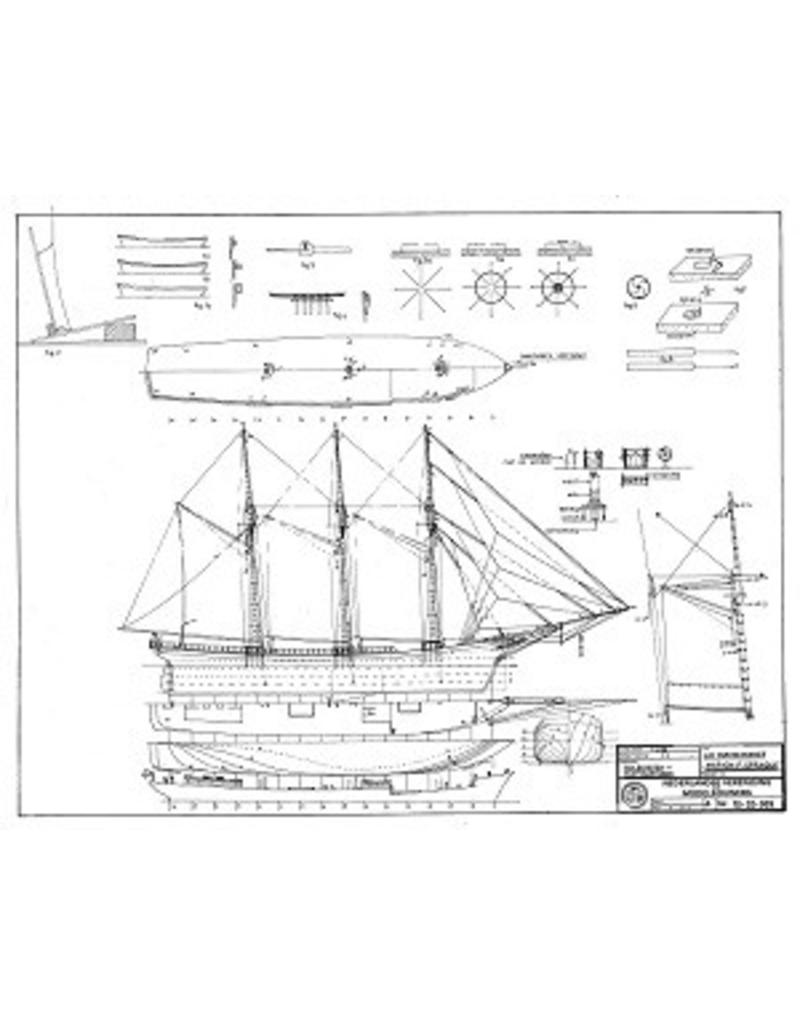
American coastal schooner "Marion F. Spraque" (1889) |
|
Quality |
line drawing; elevation; deck plan; some details |
|
Scale |
1 : 200 |
|
Number of sheets A00 |
0 |
|
Number of A0 sheets |
0 |
|
Number of A1 sheets |
1 |
|
Number of A2 sheets |
0 |
|
Number of A3 sheets |
0 |
|
Number of A4 sheets |
0 |
|
Total number of drawing sheets |
1 |
|
Number of A4 text sheets |
0 |
|
Weight in grams |
65 |
|
Details |
L.O.A. 38 cm |
|
Comments |