| Article number: | 10.05.018 |
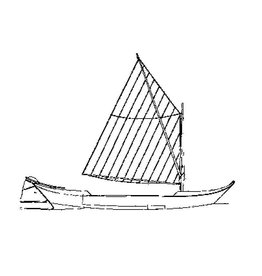
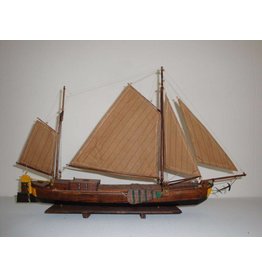
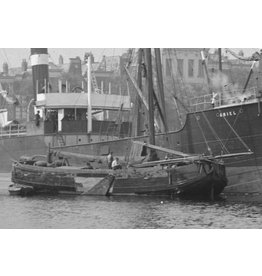
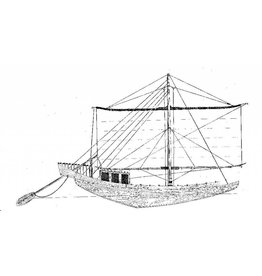
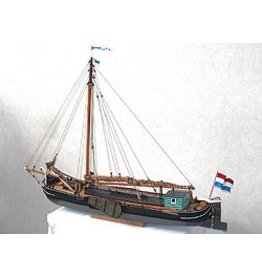
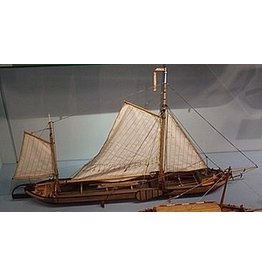
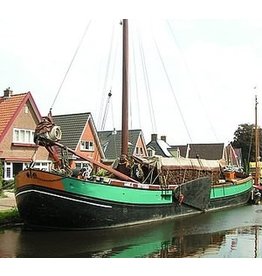
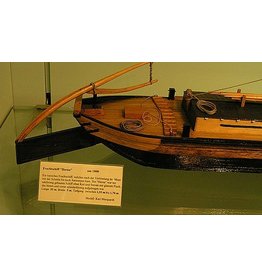
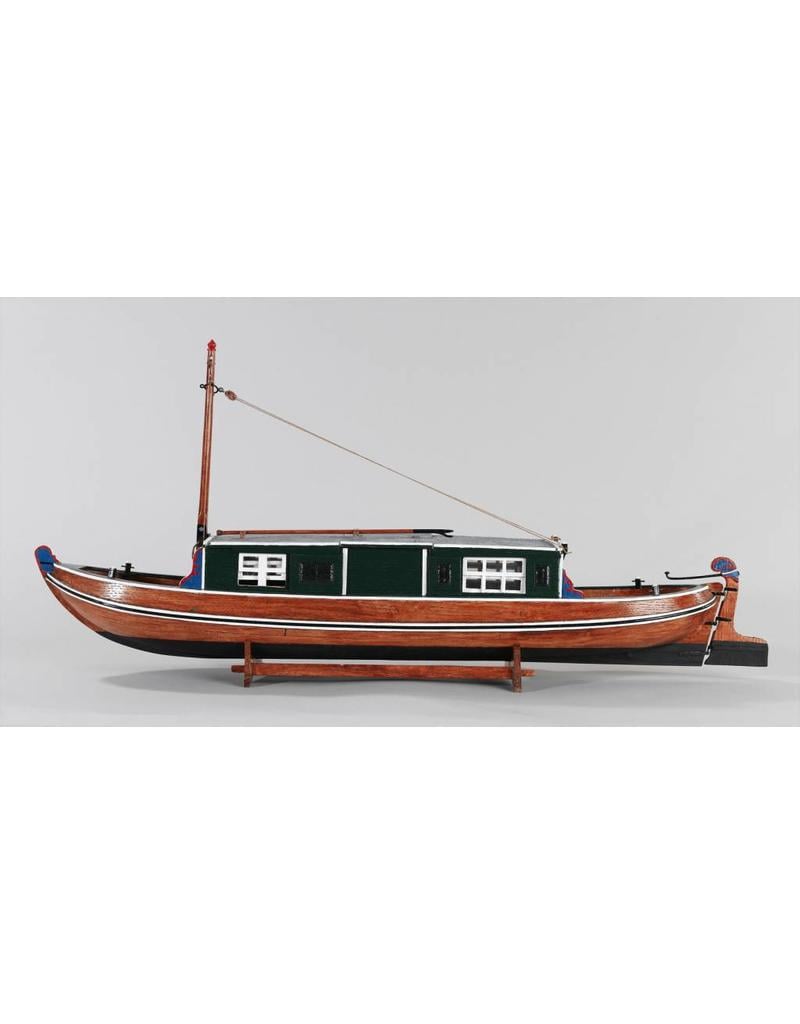
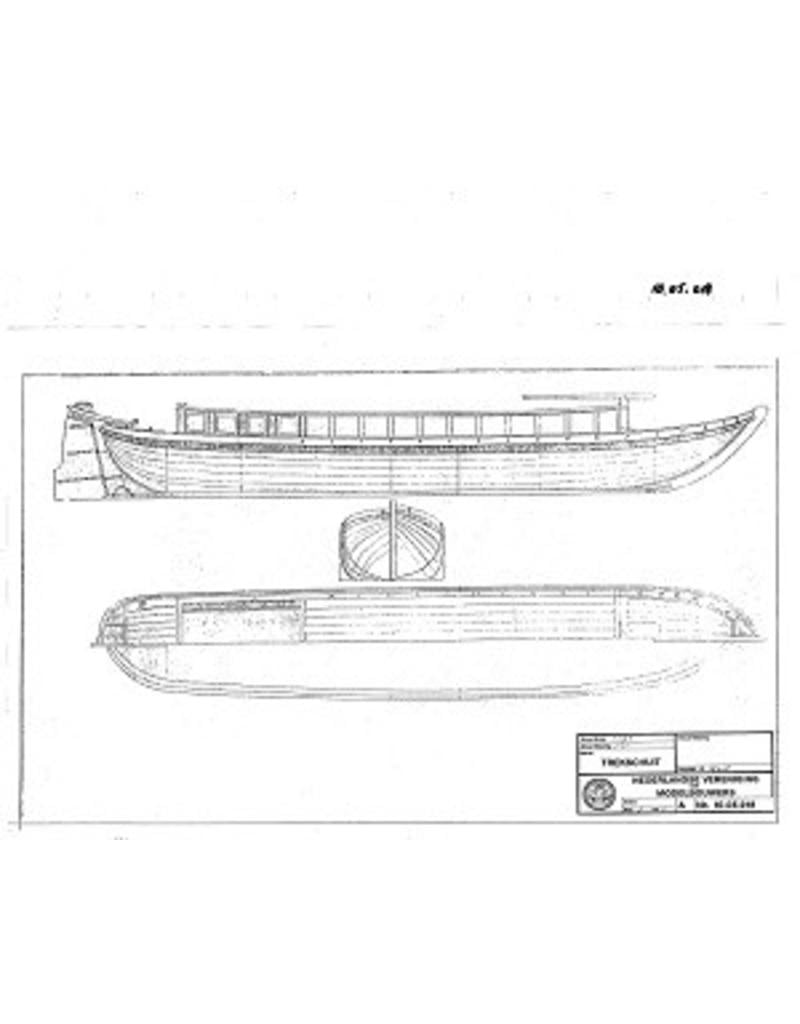
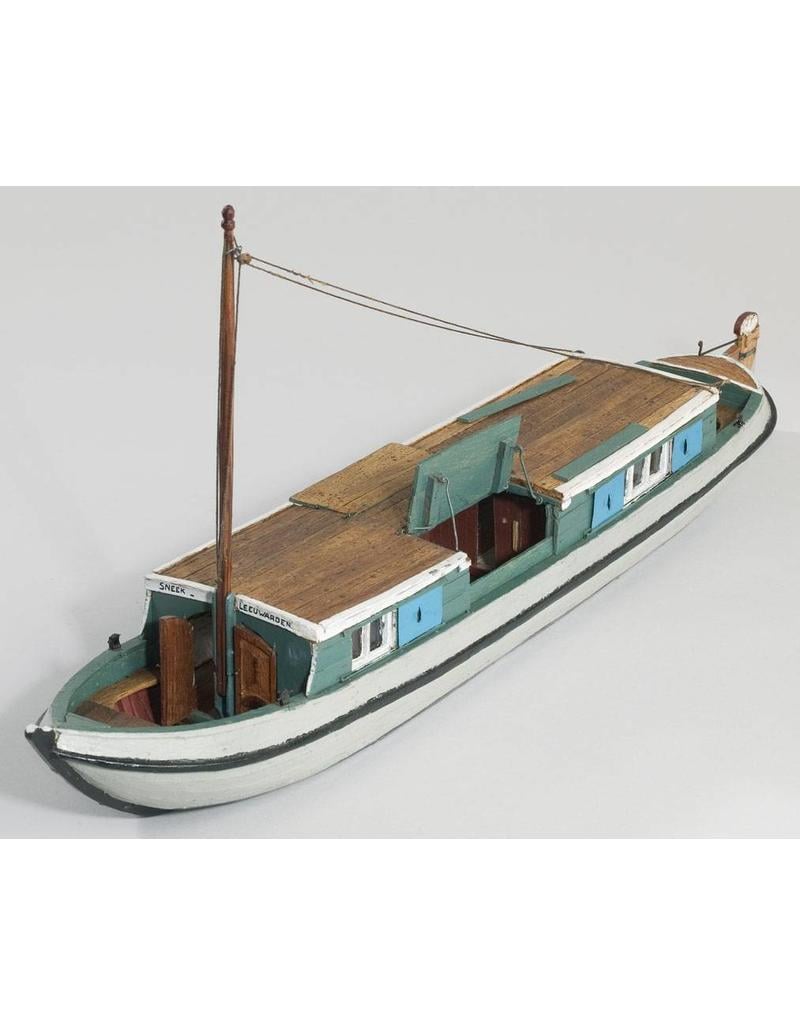
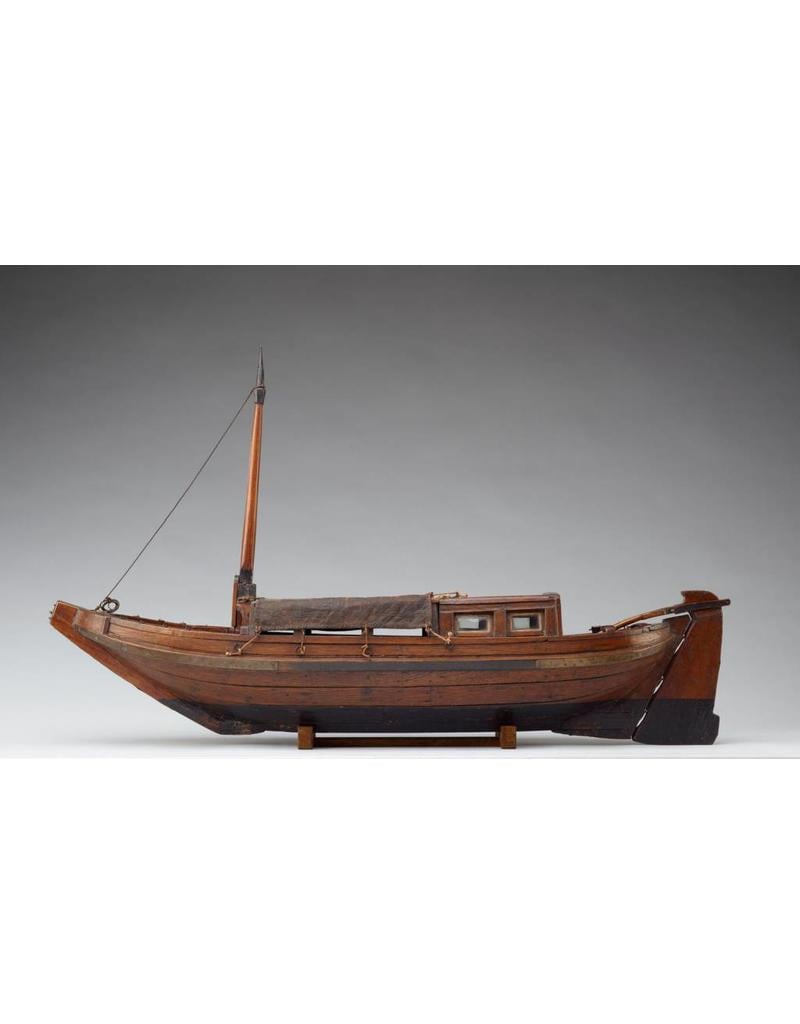
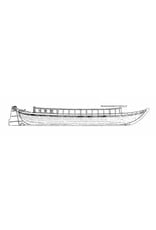
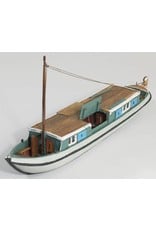
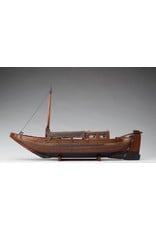
A trekschuit is a historical type of Dutch vessel that was mainly used to transport passengers and goods along rivers and canals, often over relatively short distances. What makes the trekschuit unique is that it was not propelled by sails or oars, but by a towpath—thatis to say, the boat was pulled along the water by people or horses walking along the bank.
Type: Flat-bottomed, often with a narrow, elongated hull.
Length: Between 15 and 25 metres, depending on the specific design.
Width: Usually relatively narrow, which made the vessel suitable for towing along canals and narrow rivers.
Draught: Approximately 0.6 to 1 metre, making it suitable for shallow water.
Hauling: Haulers often used a rope attached to the barge, with horses, people or sometimes even oxen walking along the bank to pull the barge along.
Sails or Oars: Most towboats had no sails or oars, as they were usually moved by being pulled overland.
The tow barge was widely used from the 17th to the early 19th century, particularly on canals in the Netherlands, but also in Belgium and other European countries. They were of great importance for the transport of goods, such as salt, peat, grain and other merchandise, and played a significant role in the daily lives of people who had to travel by water.
The tow barge was often used on major canals such as the North Holland Canal, the Utrecht Vecht Canal and the Zuid-Willemsvaart Canal, as well as on smaller waterways. The barges were often equipped with benches for passengers, and the journey was generally a peaceful mode of transport, although the speed was usually not high.
Draft horses or people: The barge was pulled by people or by a horse walking along the bank. The rope was often dozens of metres long and was attached to the barge.
Obstacles: The pullers often had to unhook the rope to pass obstacles such as bridges or locks, and the process of pulling was physically demanding work.
With the advent of steamships and later diesel engines in the 19th century, the towboat was replaced by faster and more efficient forms of transport. The use of towboats declined, but the vessels remain an important part of the history of Dutch inland waterway transport.
Nowadays, replicas of towboats are sometimes still used for recreational trips or as part of heritage projects. In some towns and regions, the canals are still maintained and it is sometimes possible to take a trip on a historic towboat.
If you’re interested in the restoration of a towboat, or if you’d like to know more about the specific history of this type of vessel, please let me know!
Specifications:
|
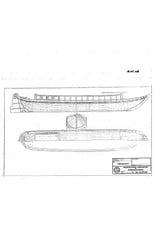
Drawing number |
10.05.018 |
|
Description |
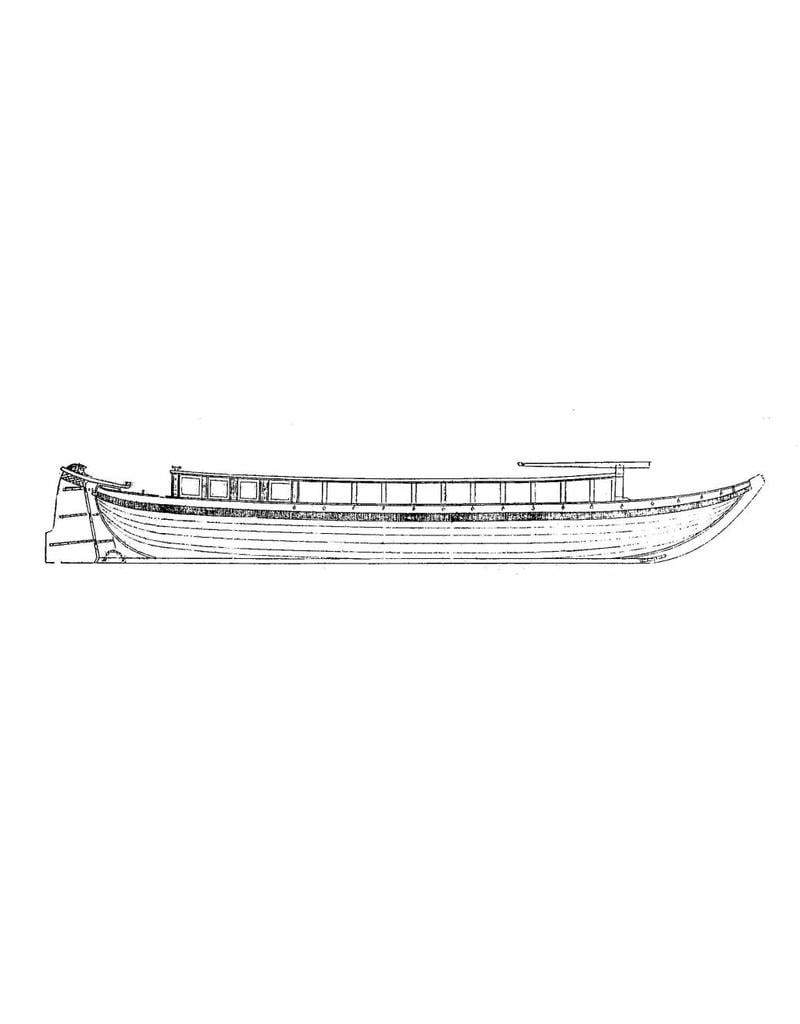
tugboat |
|
Quality |
side view; frame plan; waterlines |
|
Scale |
1 : 30 |
|
Number of A00 sheets |
0 |
|
Number of A0 sheets |
0 |
|
Number of A1 sheets |
0 |
|
Number of A2 sheets |
1 |
|
Number of A3 sheets |
0 |
|
Number of A4 sheets |
0 |
|
Total number of drawing sheets |
1 |
|
Number of A4 text sheets |
0 |
|
Weight in grams |
45 |
|
Details |
Overall length 46 cm |