| Article number: | 50.00.011 |
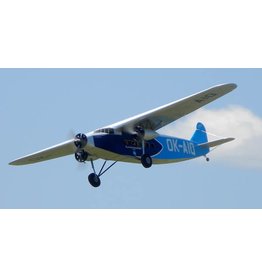
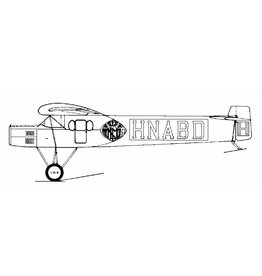
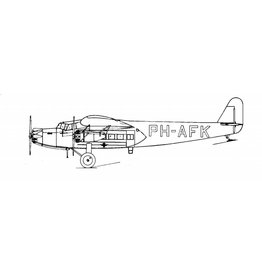
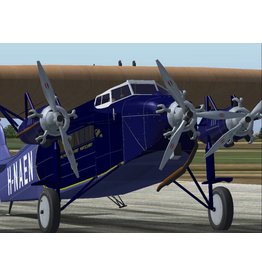
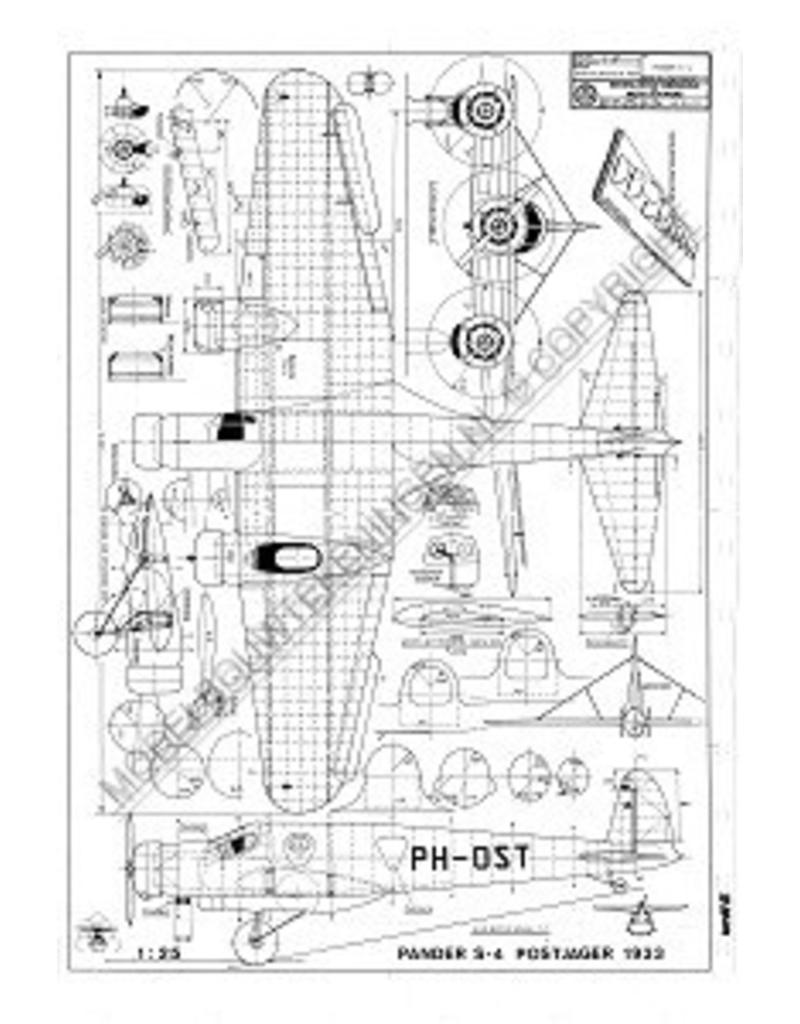
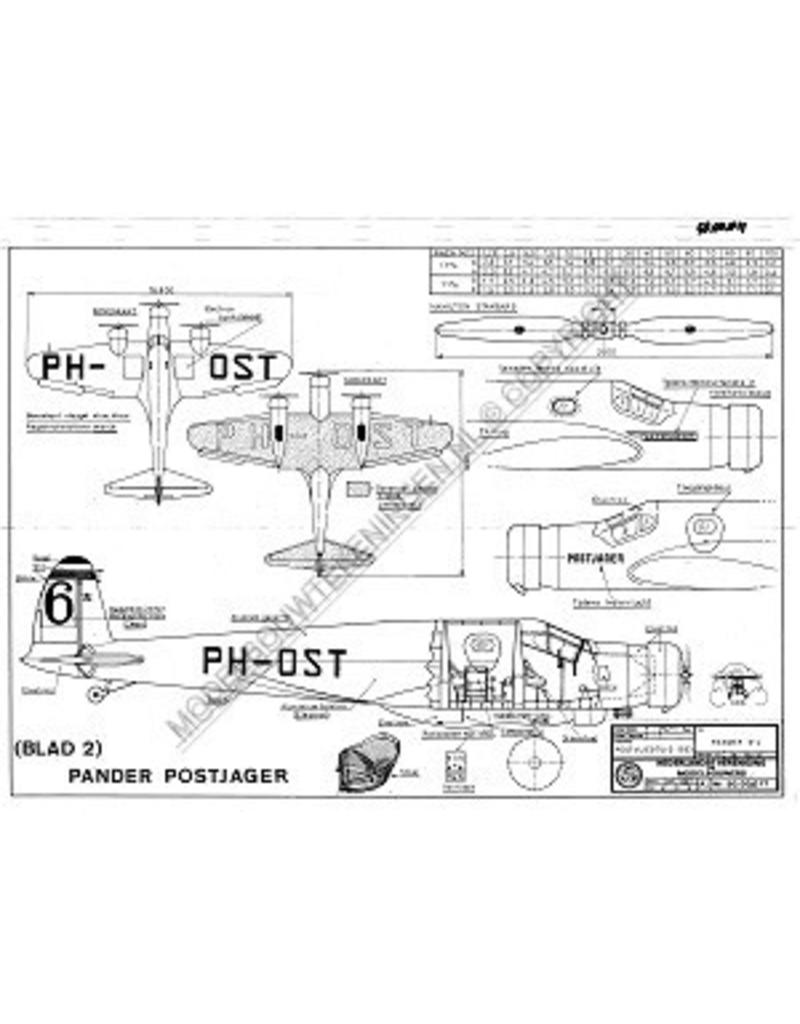
Pander S4 Postjager.
Ì´Ì_
Source: www.wikipedia.org/wiki/Pander (abridged)
Model aircraft construction.
History.
Between 1924 and 1934, Pander also operated an aircraft factory, which was located at the company’s timber yard in Rijswijk. At that time, aircraft were made of wood using the same woodworking techniques that Pander was already familiar with from furniture making. They were usually built in sections and later assembled on site after being transported by road to an aerodrome.
Harmen Pander was the former director of the Pander furniture factory and, in 1924, took over the bankrupt assets of Vliegtuig Industrie Holland (VIH), including the designers Theo Slot and Van der Kwast. He founded the Nederlandse Fabriek van Vliegtuigen H. Pander & Zonen, together with his son Henk.
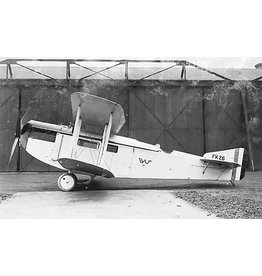
They began by building an improved version of the VIH Holland H.2. This became the Pander D. A number of other aircraft followed, including the reasonably successful Pander E (17 units). In 1930–31, Pander also contributed to the development of the Werkspoor Jumbo cargo aircraft, designed by Joop Carley, of which one was built. It flew, mainly as a training aircraft, for KLM and was lost during a bombing raid in 1940.
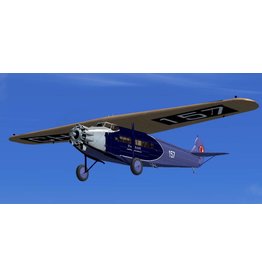
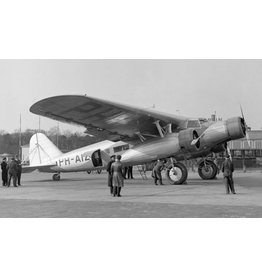
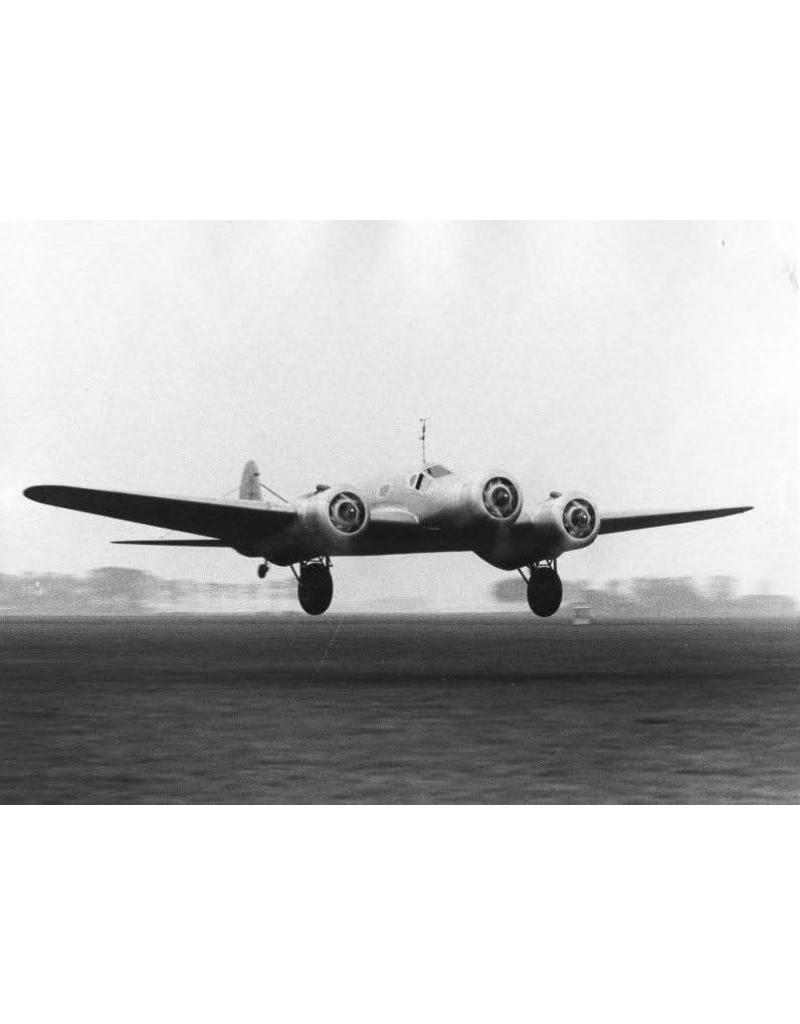
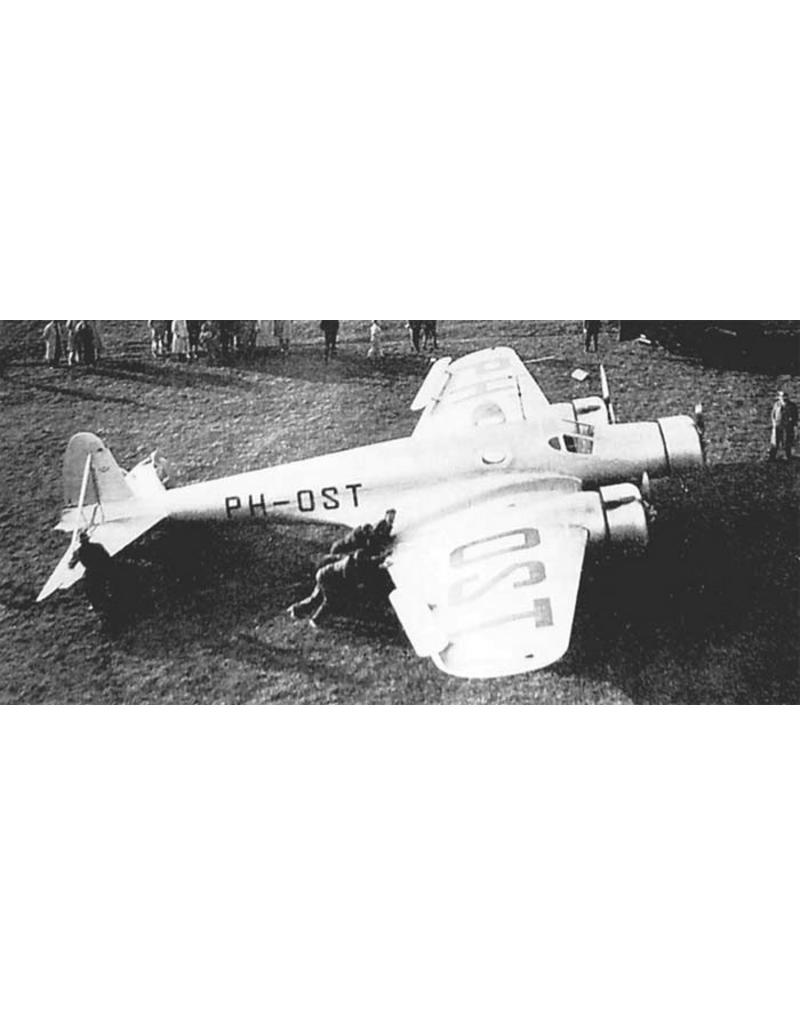
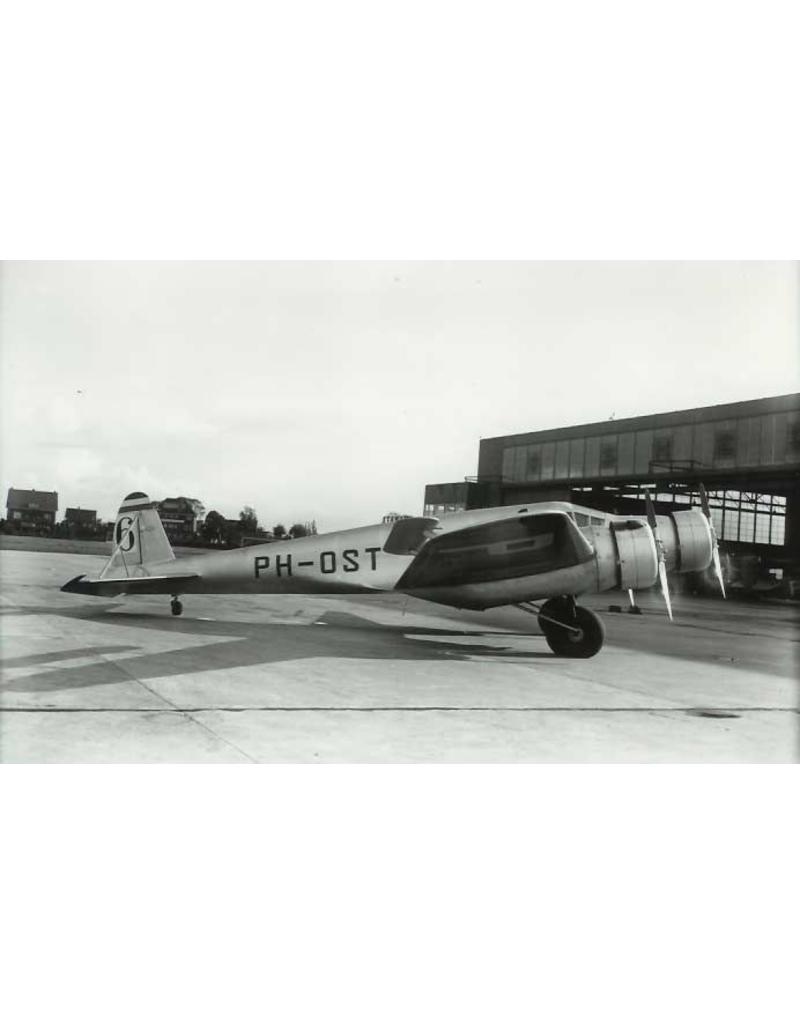
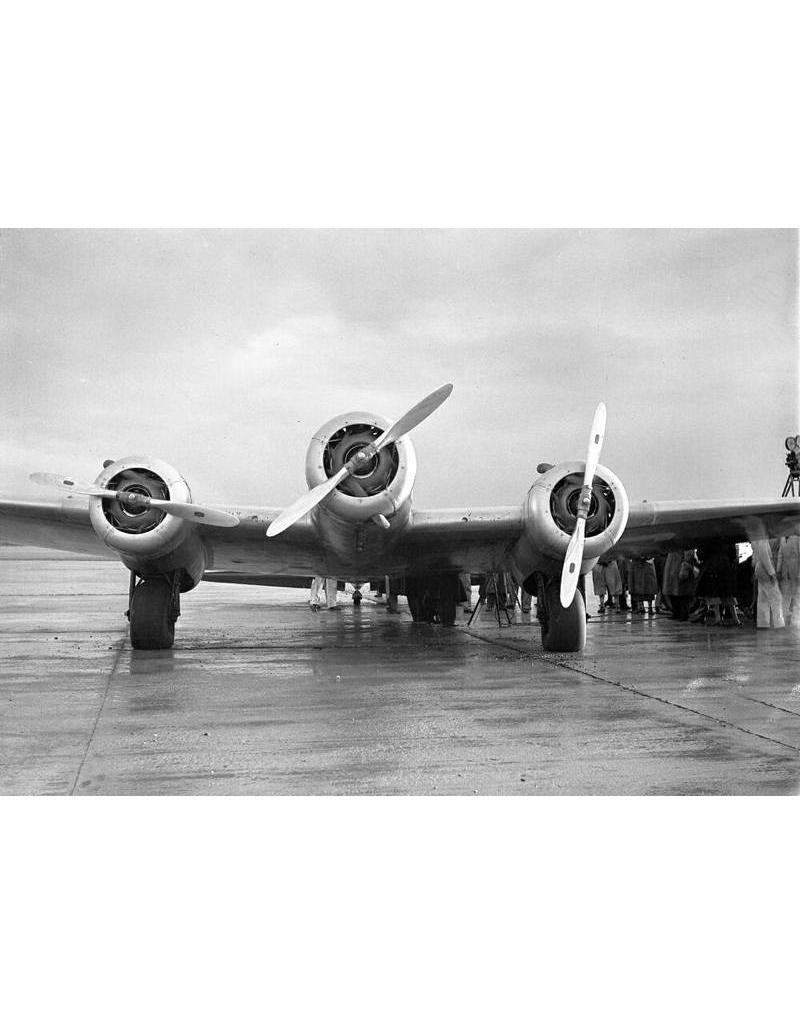
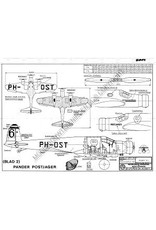
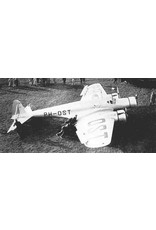
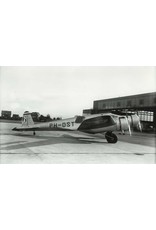
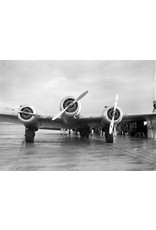
The factory, and designer Theo Slot, became best known for the Pander S.4 ‘Postjager’. The construction of this aircraft was initiated by Dick Asjes, following criticism of the slowness of the postal flights. He persuaded Pander to build a special aircraft for the postal service. This became the S.4, known as the Postjager or Panderjager (but later also as the Pechjager). In October 1933, this aircraft was due to make its record-breaking flight to the Dutch East Indies, but it did not begin its journey until December of that same year. It was forced to make an emergency landing in Italy. It eventually arrived in Batavia after 72 hours and 20 minutes. Back in the Netherlands, the aircraft took part in the Melbourne race in 1934. During a stopover in Allahabad (India), part of the landing gear collapsed. After this had been repaired, the aircraft struck a tractor on take-off, after which it was completely destroyed by fire. The occupants were able to escape to safety.
The Pander factory never recovered from the Postjager fiasco and was forced to close its doors in 1934. The equipment and designer Theo Slot moved to De Schelde Shipyard in Vlissingen. The incident was mocked with the saying, ‘Buy your furniture from Pander and your aeroplane from someone else.’
Ì´Ì_
Aircraft types.
Ì´Ì_Pander D
Ì´Ì_Pander E
Ì´Ì_Pander S4Pander D (1924, single-seat military trainer, single-engine propeller aircraft, mid-wing)
Ì´Ì_Improved version of the Holland H.2 – which itself was an improved version of the Carley's C.12. Seven were built, including for the MLD and the LA-KNIL (later the ML-KNIL).
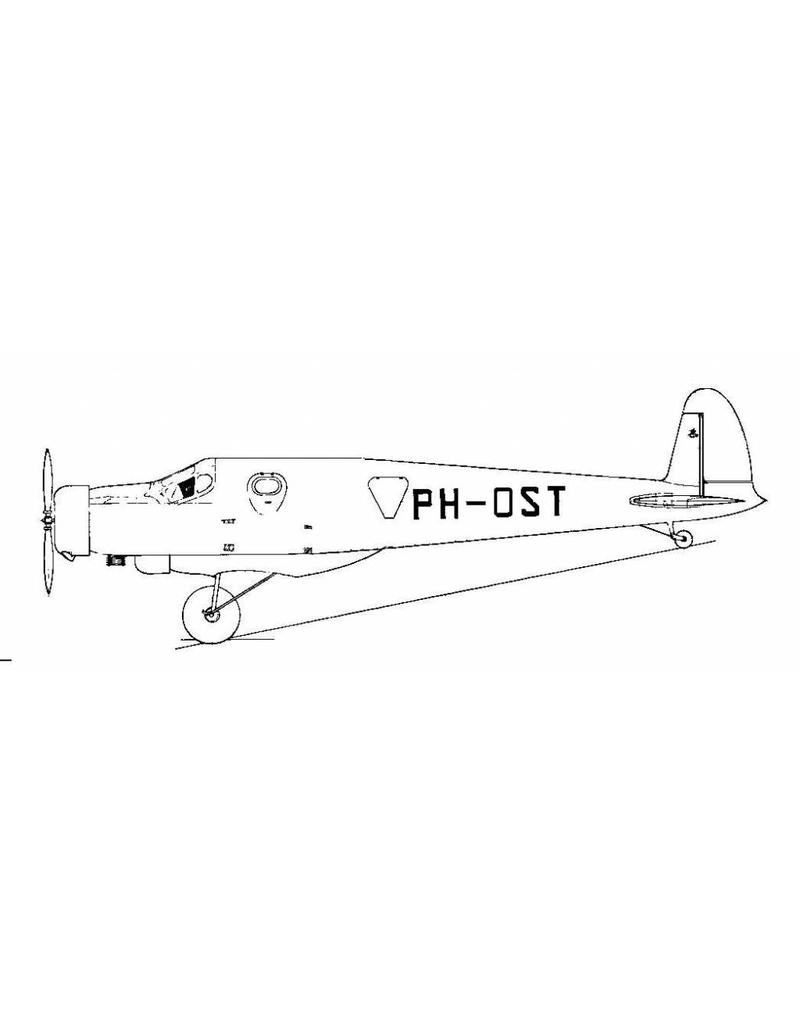
Pander E (1926, single- or two-seater training aircraft, single-engine propeller aircraft, high-wing monoplane)
The most successful Pander aircraft. Seventeen were built, in various versions, which were mainly used by the Dutch Aviation School (NLS), founded in 1927. In 1932, Mr Van Tijen flew his Pander E ‘Adelaar’ to the Dutch East Indies and back.
Pander P1/P2 “Gypsy Pander” (1929, two-seater sports aircraft, single-engine propeller aircraft, high-wing)
Ì´Ì_Reasonably successful as a racing aircraft. Two were built.
Pander PH-1 ZÌÎå_gling (1930, glider)
Ì´Ì_One of the first gliders built in the Netherlands, designed by Alexander Lippisch. A replica can be seen at the Aviodrome.
Pander PH-2 "Mayer" M.1 (1930, glider)
Designed by the German Hermann Mayer.
Pander P3 (1932, single- ÌÎÌ_ two-seater aircraft, single-engine propeller aircraft, high-wing)
Ì´Ì_One example built, for a Mr Ten Bosch.
Pander Multipro (1932, three-seater sports aircraft, single-engine propeller aircraft, high-wing)
Three examples built.
Pander S.4 Postjager (1933, three-seater mail aircraft, three-engine propeller aircraft, low-wing monoplane)
Ì´Ì_Intended to speed up postal flights to the Dutch East Indies, but it was plagued by bad luck. Within a year of its maiden flight, the sole example was completely destroyed.
Ì´Ì_
Specifications Model construction drawing:
|
Drawing number |
50.00.011 |
|
Author |
C. ter Horst |
|
Description |
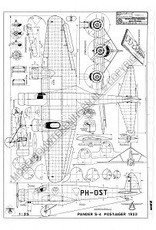
Ì´Ì_Pander S-4 Postjager (1933) |
|
Quality |
Ì´Ì_ |
|
Difficulty |
D |
|
Scale |
1 : 35 |
|
Number of sheets A00 |
0 |
|
Number of A0 sheets |
0 |
|
Number of A1 sheets |
1 |
|
Number of A2 sheets |
1 |
|
Number of A3 sheets |
0 |
|
Number of A4 sheets |
0 |
|
Total number of drawing sheets |
2 |
|
Number of A4 text pages |
0 |
|
Weight in grams |
85 |
|
Special features |
span 66 cm |
|
Comments |
Ì´Ì_ |