| Article number: | 50.02.014 |
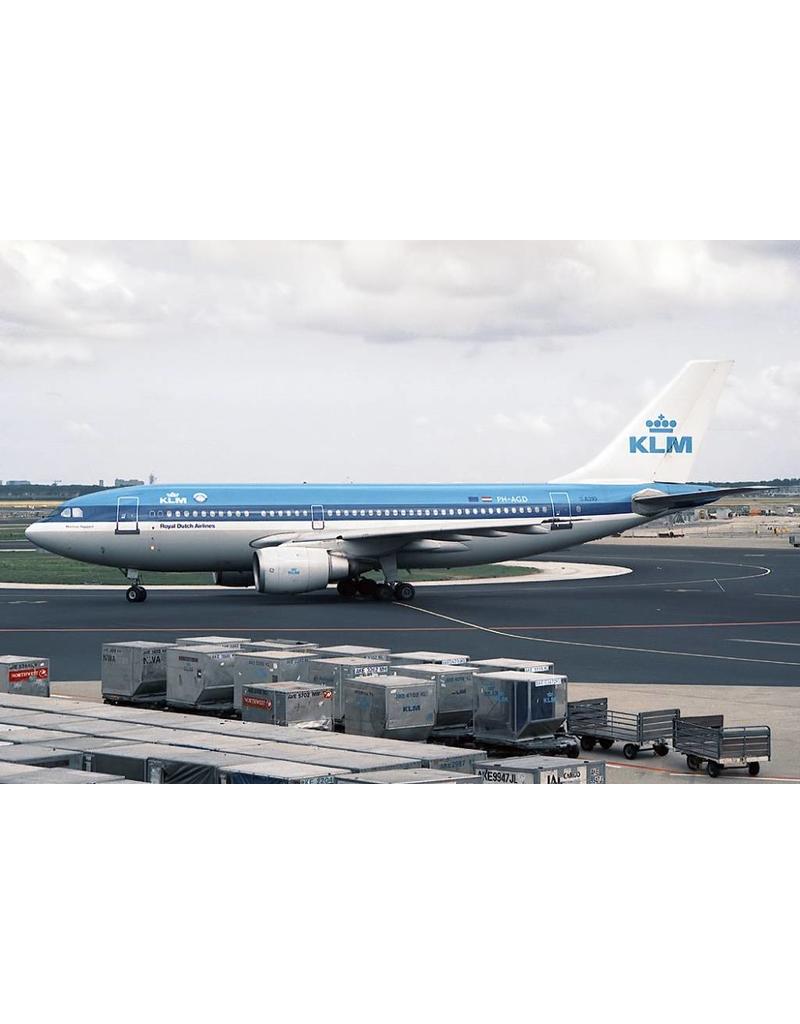
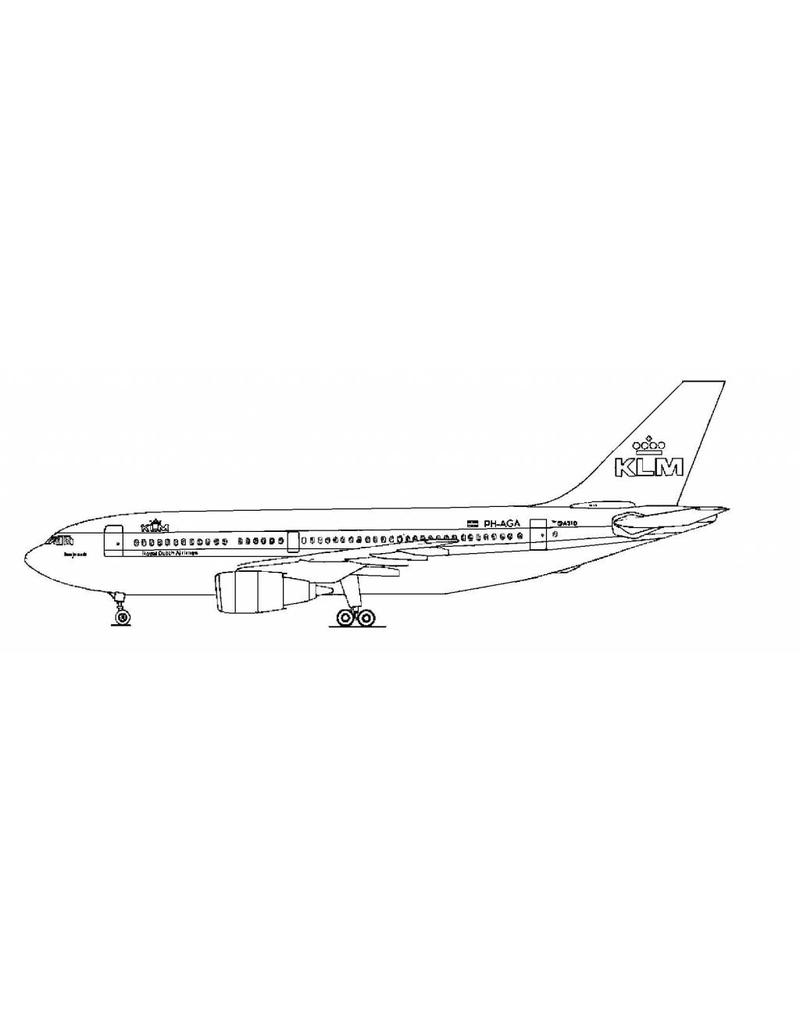
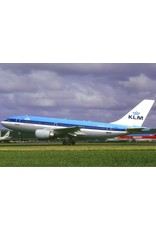
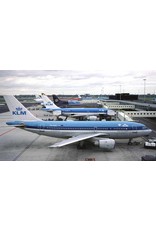
Airbus A310
Ì´Ì_
Source: www.wikipedia.org/wiki/Airbus_A310
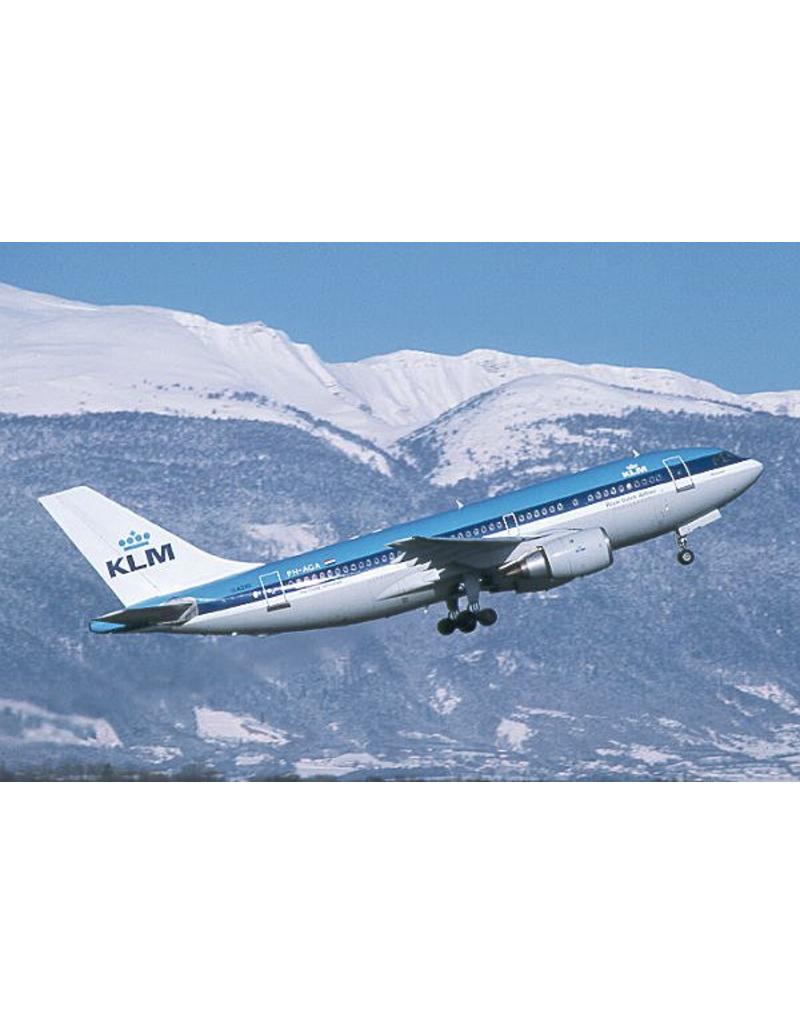
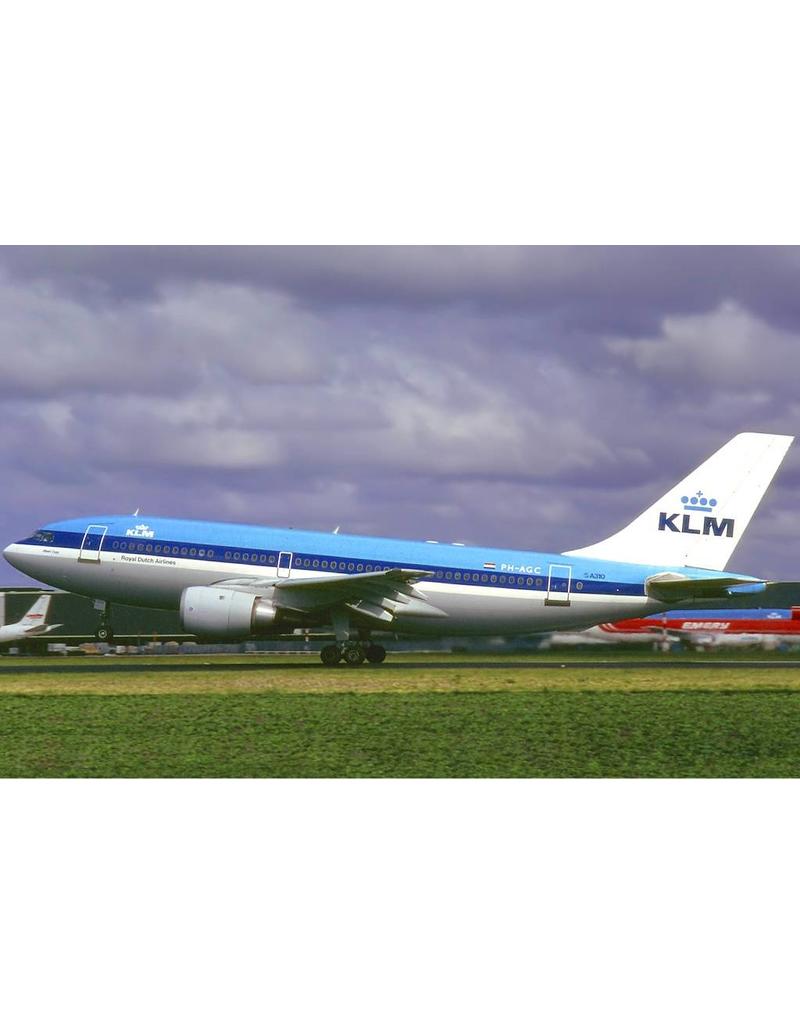
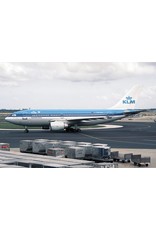
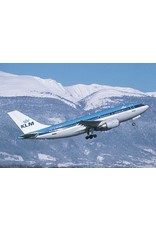
The Airbus A310 is a wide-body commercial aircraft manufactured by Airbus.
Ì´Ì_
History.
Following the establishment of Airbus Industrie in the early 1970s, it became clear that the consortium could not survive in the long term with the A300 alone. Consequently, a range of models was planned from the outset. One of the proposed future projects was the A300B10, a shortened version of the A300. In 1978, Airbus decided to actually develop and produce this aircraft type, now designated the A310.
For the A310, Airbus used the same fuselage sections as for the A300. However, the A310 was fitted with a new, smaller wing and a smaller stabiliser. Later aircraft were fitted with small winglets on the wingtips to improve aerodynamic performance.
A significant development with the arrival of the A310 was the introduction of the digital cockpit. The dials of various instruments were replaced by screens on which the pilots could read the flight data. The increasing automation meant that there was no longer any work for the flight engineer. However, the flight engineers did not allow themselves to be removed from the cockpit without a fight. They felt that such a large aircraft with a cockpit crew of only two pilots was not safe. Their protests led to a number of A310 aircraft, including those operated by Air France, continuing to fly with a three-person cockpit crew for some time.
The Airbus A310 made its maiden flight on 3 April 1982 and entered service with Swissair and Lufthansa in April 1983. The standard version of the Airbus A310 was the A310-200. Later, a version for longer distances was introduced, the A310-300, with sufficient range to cross the Atlantic Ocean, for example. Space for extra fuel was found, amongst other places, in the horizontal stabiliser.
Ì´Ì_
Competition.
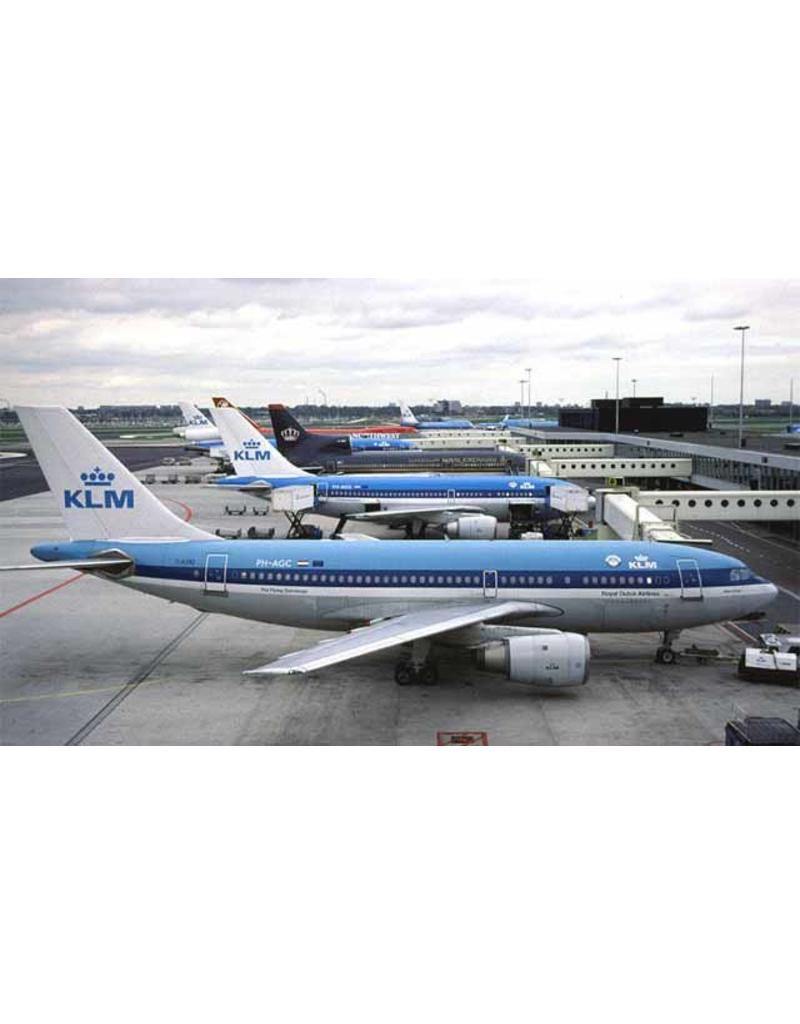
The main competitor to the Airbus A310 was the Boeing 767, which was developed at the same time. One difference is that the A310 has a wider fuselage, allowing eight passengers to sit side by side in economy class, compared to seven in the 767. Thanks to the larger fuselage diameter, the A310 can carry two rows of LD3 cargo and baggage containers in the hold, which are interchangeable with those of the Boeing 747, DC-10, Lockheed L-1011 TriStar and A300. The narrower cargo hold of the 767 can only accommodate one row of such containers, resulting in a loss of space. Consequently, containers of a different model are often used for the 767. The ability to carry LD3 containers optimally made the A310 more suitable for airlines that transport large amounts of cargo in the ‘belly’ of their passenger aircraft. For KLM, this was a key factor in choosing the A310. For American airlines, cargo transport was not as important, and they therefore opted overwhelmingly for the 767, which ultimately proved to be the more successful aircraft.
Ì´Ì_
Airbus A310 MRTT
The Airbus A310 MRTT (Multi Role Tanker Transport) is the designation for the tanker version of the Airbus A310, which can refuel other aircraft in flight. In addition, a special variant has been developed for the Canadian Armed Forces, the Airbus CC-150 Polaris. The MRTT was developed as a conversion of the standard version of the Airbus A310. The first operator of the A310 MRTT was the Luftwaffe. The Luftwaffe converted four of its seven cargo A310s into tankers. Refuelling is carried out using a flexible coupling with a hose deployed from the wingtips, the hose-and-drogue system standardised within NATO. The A310 MRTT is gradually being replaced by the Airbus A330 MRTT, which has greater capacity and more modern technology.
Ì´Ì_
Customers.
Belgium.
In Belgium, Sabena operated the A310. In addition, the Belgian Air Force had two Airbus A310s in its fleet; these aircraft were replaced by an Airbus A330 in 2009.
The Netherlands.
In the Netherlands, KLM and Martinair operated the Airbus A310. KLM took delivery of ten A310-200 aircraft in 1983, 1984 and 1985. Martinair took delivery of two aircraft during the same period, including the only one built as a combi. Due to a labour dispute over the phasing out of flight engineers, KLM was initially unable to fly them for some time. In 1996–1997, when much of the freight in Europe was increasingly being transported by lorry rather than by air, KLM replaced the Airbuses with Boeing 767-300s, which were more versatile due to their greater range. Following conversion into cargo aircraft, the KLM and Martinair aircraft entered service with the American courier company Federal Express.
Technical specifications.
Range.
|
Name |
Type |
Range |
ICAO |
IATA |
|
A310-200 |
base model |
6,700 km |
A310 |
312 |
|
A310-300 |
upgraded version |
8,000–9,700 km |
A310 |
313 |
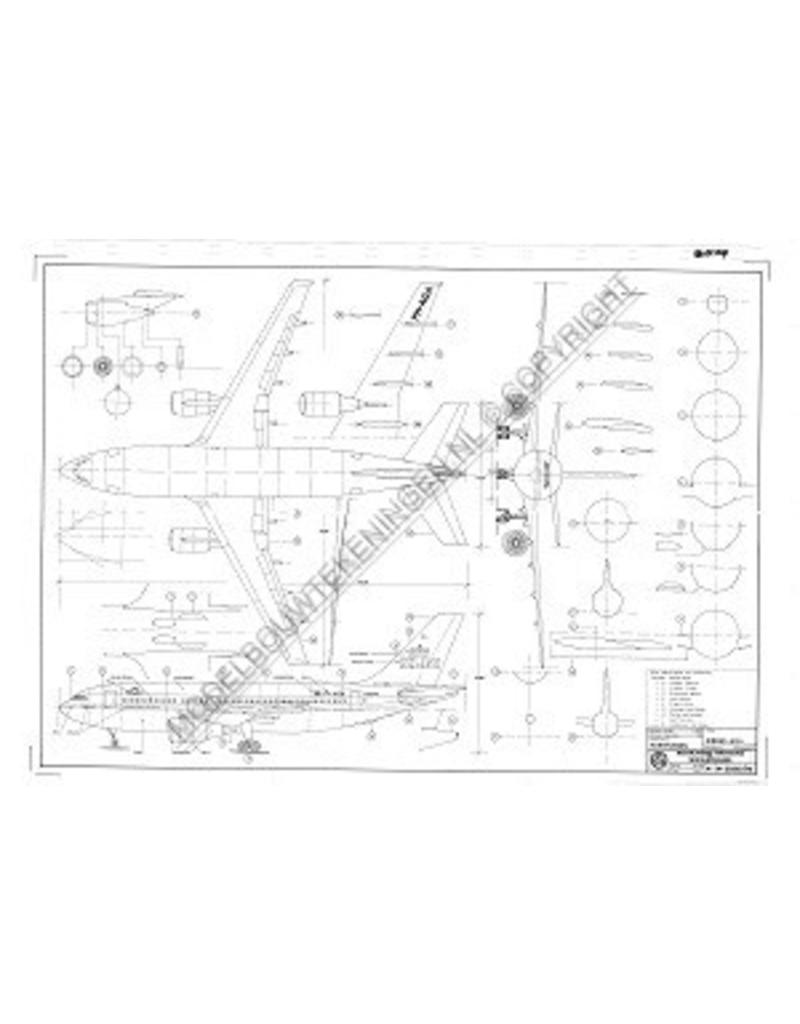
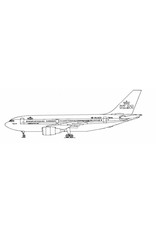
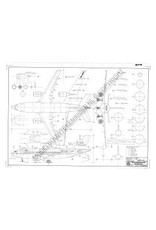
Specifications Model drawing:
|
Drawing number |
50.02.014 |
|
Author |
A.W. Vogelaar |
|
Description |
Airbus A310 |
|
Quality |
Ì´Ì_ |
|
Difficulty level |
C |
|
Scale |
1 :Ì´Ì_ 100 |
|
Number of sheets A00 |
0 |
|
Number of A0 sheets |
0 |
|
Number of A1 sheets |
1 |
|
Number of A2 sheets |
0 |
|
Number of A3 sheets |
0 |
|
Number of A4 sheets |
0 |
|
Total number of drawing sheets |
1 |
|
Number of A4 text pages |
0 |
|
Weight in grams |
65 |
|
Specifications |
span 44 cm |
|
Remarks |
was 50.00.010 Ì´Ì_
|