| Article number: | 50.10.010 |
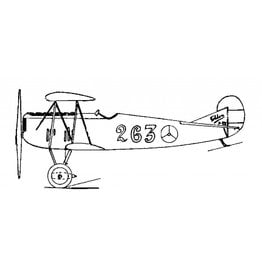
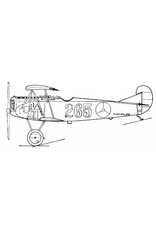
Fokker D.VII
Source: www.wikipedia.org/wiki/Fokker_D.VII
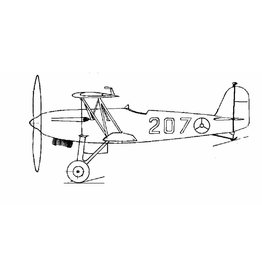
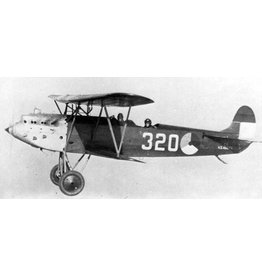
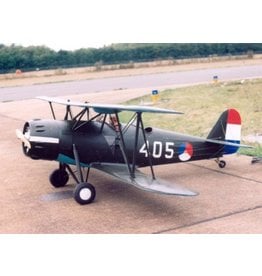
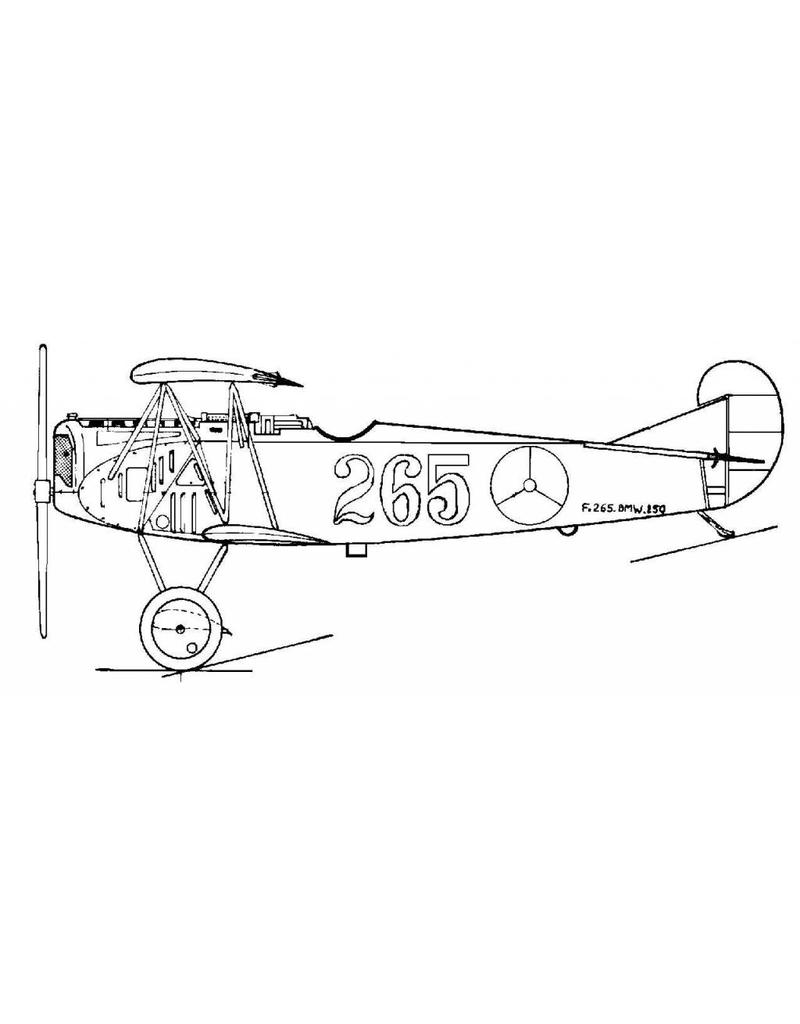
The D.VII was a German fighter aircraft produced by Fokker towards the end of the First World War. The aircraft was designed by Reinhold Platz. Introduced on the battlefield in 1918, the aircraft proved superior to existing Allied aircraft. The aircraft was so notorious that it was the only weapon specifically demanded by the Allies in the surrender negotiations at the end of the war.
In late 1917, Fokker built the V.11 experimental biplane, fitted with a standard Mercedes D.IIIa engine.
Manfred von Richthofen flew this aircraft and found it difficult and uncomfortable to fly, and directionally unstable during dives. Fokker modified the V.11 by lengthening the fuselage and fitting a fixed tail in front of the rudder. Following this, von Richthofen considered it the best aircraft in the competition between aircraft types to be put into production. It was primarily for this reason that an order was placed for 400 aircraft of this type. He never flew the aircraft in aerial combat himself, as he died shortly before it entered service.
As Fokker faced capacity issues, its competitors Albatros and AEG were required to co-produce the VII under licence, although AEG ultimately did not build any. The war was drawing to a close and German industry proved unable to produce more than 1,700 aircraft.
The Fokker was deployed on the battlefield in May 1918 and soon proved superior to the existing Albatros and Pfalz reconnaissance aircraft. Its best qualities proved to be diving without risk of structural damage, climbing at steep angles of attack, its ‘gentle’ stall characteristics and the low risk of spinning. This was in contrast to the Sopwith Camel and the Spad XIII, which could stall suddenly and end up in a violent spin. The disadvantages of the VII were the heat from the engine, which could cause the ammunition to ignite (cooling fins were later fitted). Fuel tanks often ruptured at the seams, and the ribs on the upper wing also frequently failed.
Initially, a 127 kW Mercedes D.IIIa engine was used; later, a 138 kW BMW engine was fitted, which proved to be a significant improvement. By the time the war ended in November, 775 of this type were in service. After the war, the type continued to be used by numerous countries. 142 captured aircraft were transferred to the United States, where they were put into service. Anthony Fokker smuggled a large number of unfinished aircraft to the Netherlands, where they were completed at his new factory in Amsterdam. As late as 1929, new D.VIIs were still being produced under licence for the Swiss Air Force.
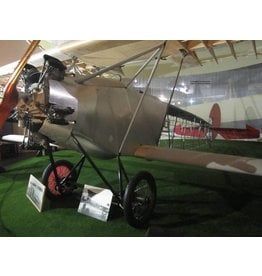
Original examples can still be found at the Military Aviation Museum in Soesterberg, the Brome County Historical Society in Canada, the Deutsches Museum in Munich, the RAF Museum in England, the Musée de l’Air in France and the National Air and Space Museum in Washington.
Countries in service[edit]
Ì´Ì_
Technical data:
|
General |
|
|
Role |
Fighter aircraft |
|
1 |
|
|
Status |
|
|
Use |
|
|
Dimensions |
|
|
6.95 m |
|
|
2.75 m |
|
|
8.90 m |
|
|
Wing area |
20.2 m² |
|
Weight |
|
|
Empty weight |
698 kg |
|
Take-off weight |
850 kg |
|
Max. weight |
878 kg |
|
Power source |
|
|
1 x BMW IIIa |
|
|
134 kW |
|
|
Performance |
|
|
Top speed |
186 km/h |
|
Climb rate |
2.9 m/s |
|
Range |
350 km |
|
Service ceiling |
6,000 m |
|
Armament |
|
|
2 × 7.92 mm LMG 08/15machine guns |
|
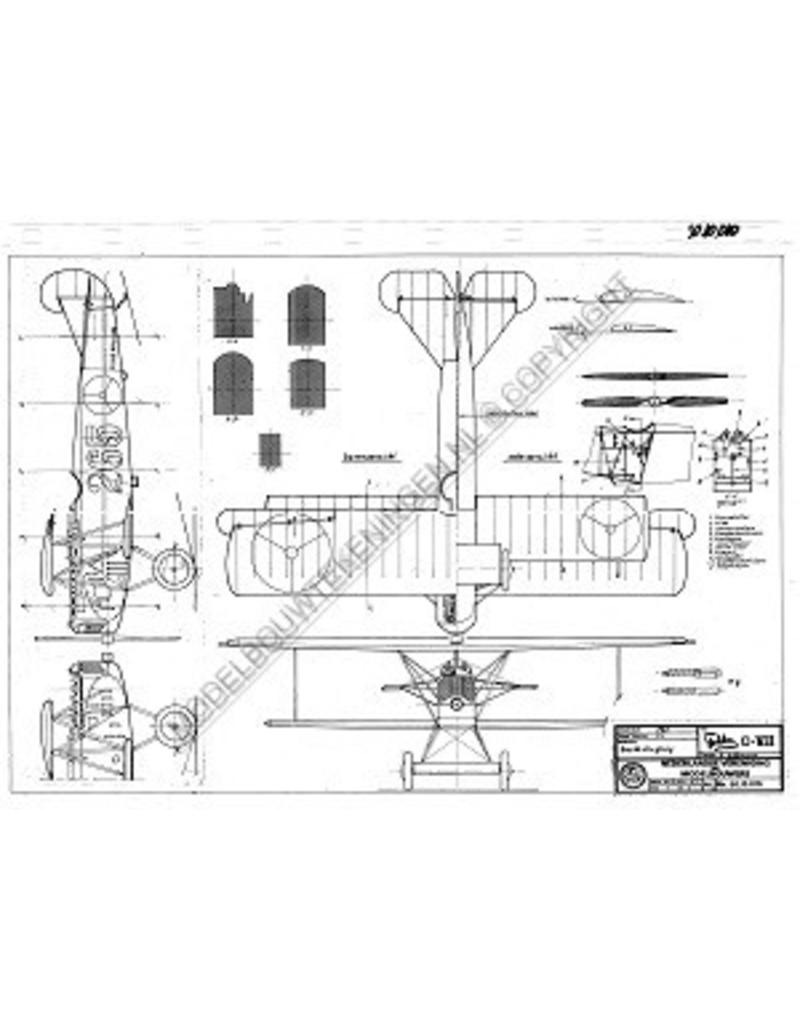
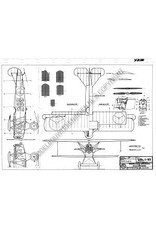
Specifications Model construction drawing:
|
Drawing number |
50.10.010 |
|
Author |
J.H. Bosman |
|
Description |
Fokker DVII |
|
Quality |
Ì´Ì_ |
|
Difficulty |
B |
|
Scale |
1 : 25 |
|
Number of sheets A00 |
0 |
|
Number of A0 sheets |
0 |
|
Number of A1 sheets |
0 |
|
Number of A2 sheets |
1 |
|
Number of A3 sheets |
0 |
|
Number of A4 sheets |
0 |
|
Total number of drawing sheets |
1 |
|
Number of A4 text pages |
0 |
|
Weight in grams |
45 |
|
Details |
span 35 cm |
|
Comments |
Ì´Ì_ |