| Article number: |
10.02.012 |
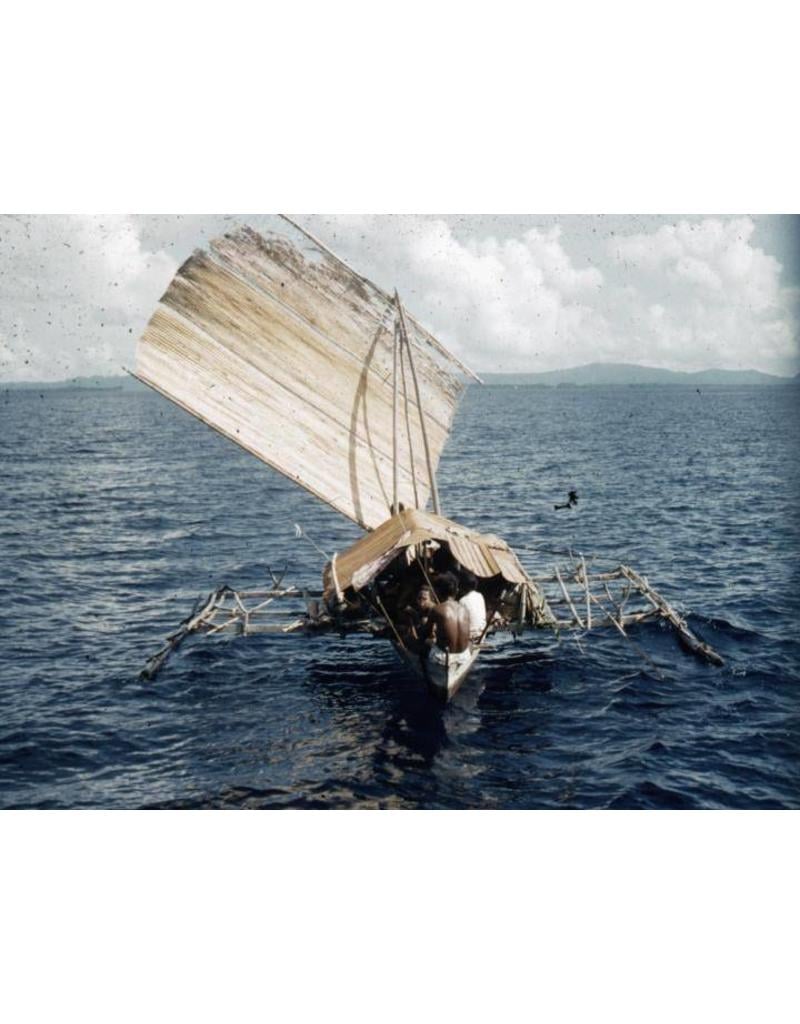
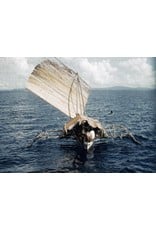
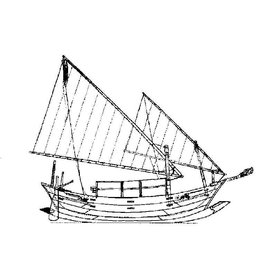
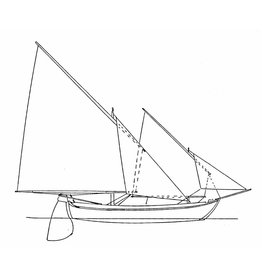
The "Tanimbar" winged prauw is a traditional Indonesian winged prauw originating from the Tanimbar Islands, located in the province of Maluku, Indonesia. Winged canoes are a type of sailing vessel known for their characteristic "wings" or extended side plating, which help to stabilise the vessel. This type of vessel is often associated with the south-eastern islands of Indonesia, where it has been used for centuries for both fishing and transport.
Features of the Vlerkprauw "Tanimbar"
-
Construction and Shape:
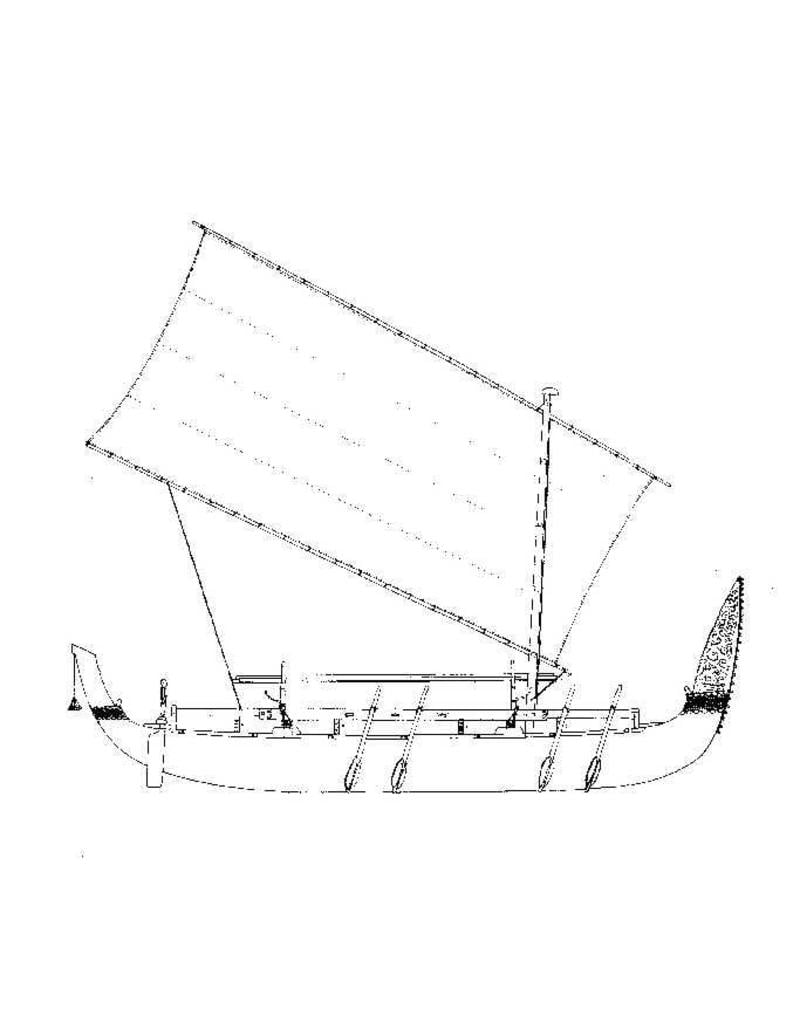
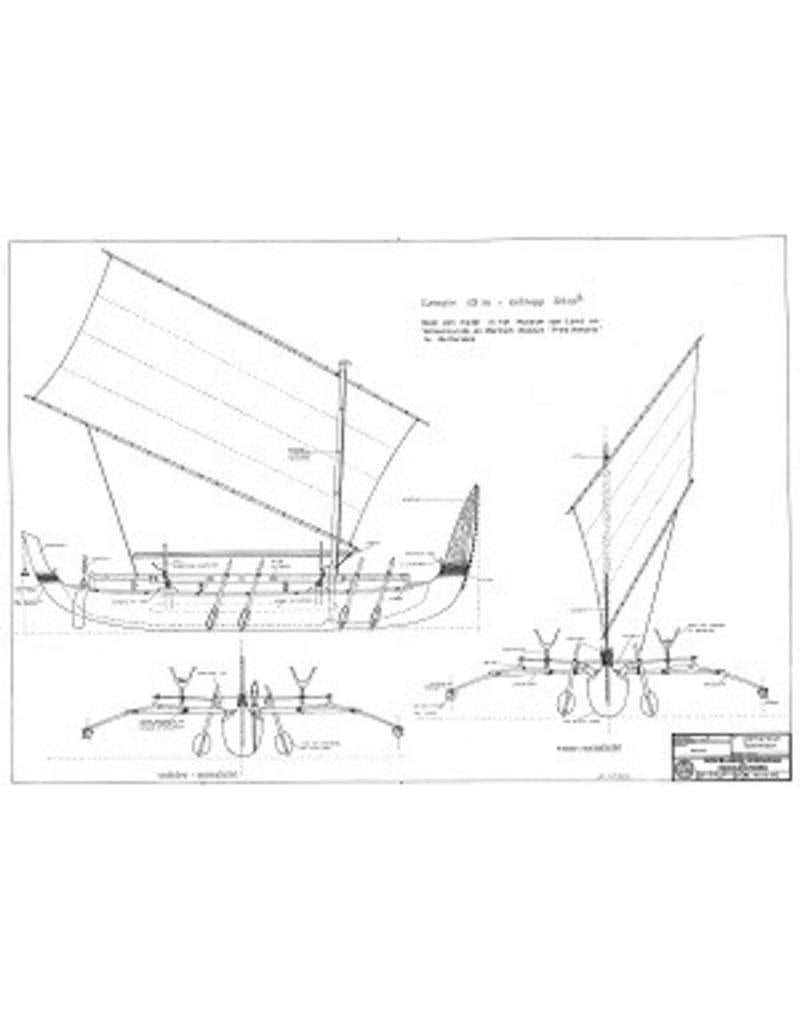
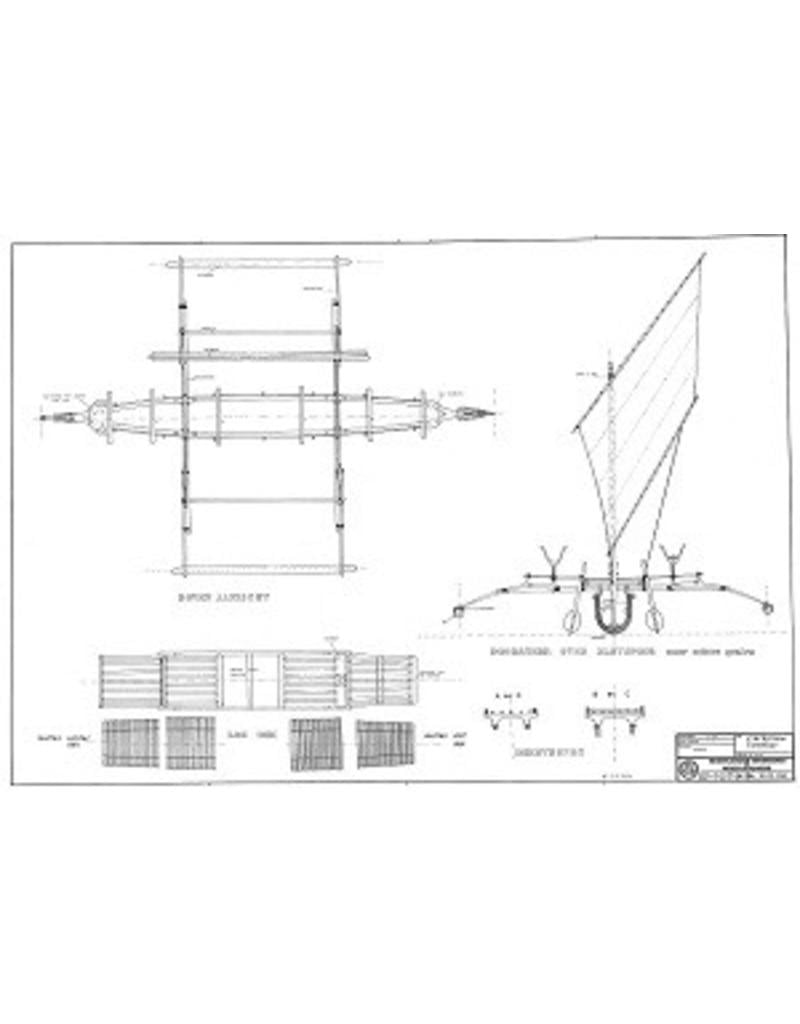
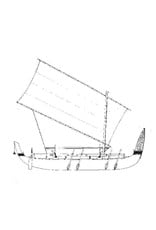
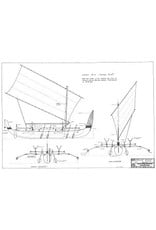
- The Tanimbar Vlerkprauw has a long, narrow hull typical of traditional Indonesian vessels. The side wings, which increase stability, are often made of wood and extend out on either side of the boat. These wings make the vessel well-suited to calm seas and coastal routes, where it uses the wind and waves to maintain its course.
- The wings themselves help to stabilise the vessel’s buoyancy and ensure that the winged canoe is less likely to capsize, even in rougher waters. This makes the winged canoe a particularly stable vessel for fishing and trade purposes.
-
-
Sails:
- Outrigger canoes such as the Tanimbar are often fitted with sails, which play an important role in propelling the vessel, especially when it has to cover long distances across the sea. The sail is usually attached to a single mast and is often square or rectangular in shape, which is typical of vessels in this region.
- The sailing techniques of the Tanimbar prawn are well developed and can be adapted depending on wind conditions.
-
-
Use:
- The winged prauw was traditionally used for fishing, trade and the transport of goods. The Tanimbar prauw was well-suited to navigating in shallow waters and along the coasts of the islands, where the vessel’s stability and sailing ability allowed it to manoeuvre effectively.
- Nowadays, outrigger canoes such as the Tanimbar canoe are still used for local transport and traditional fishing, but they also have cultural and tourist value, being admired for their unique design and history.
-
-
Cultural and Social Significance:
- The winged prauw is an important part of the sailing and fishing culture of the Tanimbar Islands. It is often regarded as a symbol of local craftsmanship and traditional sailing.
- In many cases, the construction of Vlerkpraws is passed down from generation to generation, with knowledge of sailing and shipbuilding being essential to the identity and survival of the island communities.
-
-
Comparison with Other Vessels:
- The Tanimbar winged prau differs from other traditional vessels in the region, such as the praus of other Indonesian islands, due to the specific wings that give the vessel its stability. This makes it a unique and distinctive design, well-suited to the specific demands of the waters surrounding the Tanimbar Islands.
Conclusion
The Tanimbar winged prauw is an excellent example of traditional Indonesian ship design. With its long hull, stabilising wings and efficient sailing techniques, the vessel not only provides a practical means of transport and fishing, but is also an important cultural symbol for the inhabitants of the Tanimbar Islands. The design highlights the local community’s skill in building robust and functional vessels that are perfectly adapted to the environmental conditions.
Specifications:
|
Drawing number
|
10.02.012
|
|
Description
|
Sailboat "Tanimbar"
|
|
Quality
|
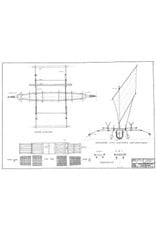
cross-sections; views; details
|
|
Scale
|
1 : 25
|
|
Number of sheets A00
|
0
|
|
Number of A0 sheets
|
0
|
|
Number of A1 sheets
|
2
|
|
Number of A2 sheets
|
0
|
|
Number of A3 sheets
|
0
|
|
Number of A4 sheets
|
0
|
|
Total number of drawing sheets
|
2
|
|
Number of A4 text sheets
|
0
|
|
Weight in grams
|
105
|
|
Details
|
Overall length 48 cm
dM 1982/2
Copy of article: 12.02.012 (2 pages)
based on a model from the Maritime Museum in Rotterdam
|