| Article number: | 10.10.006 |
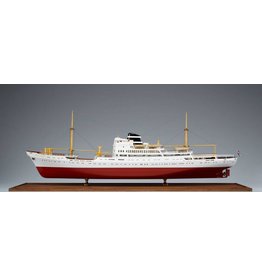
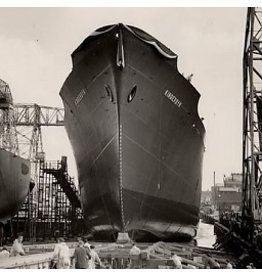
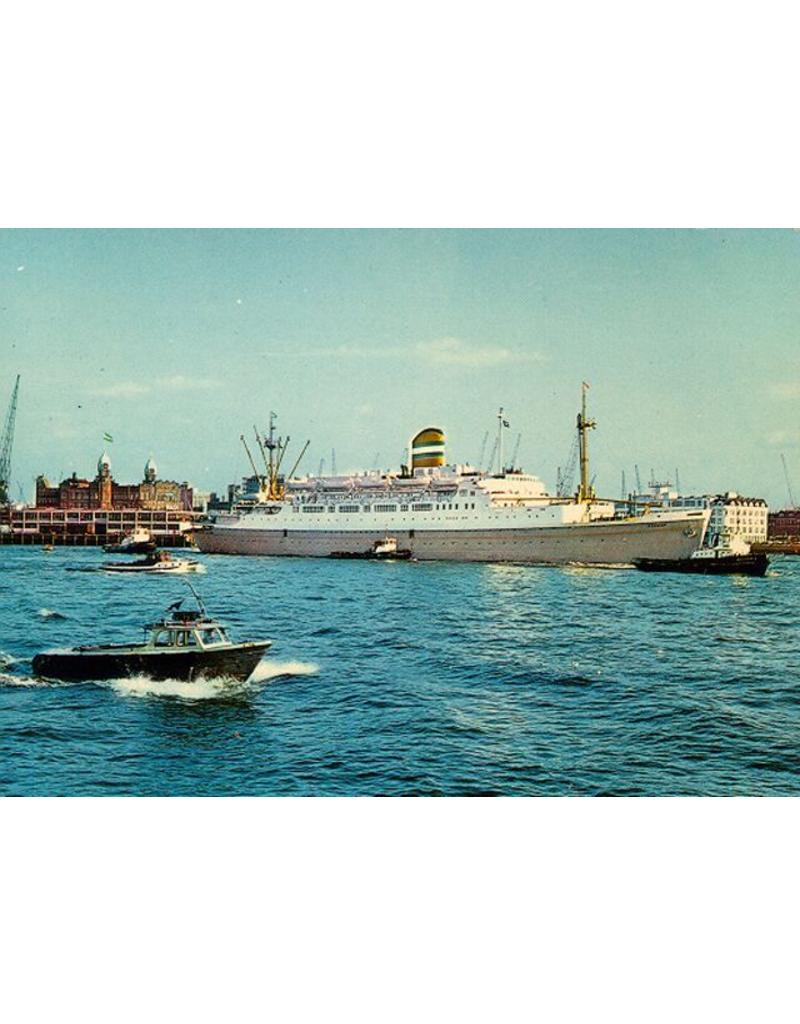
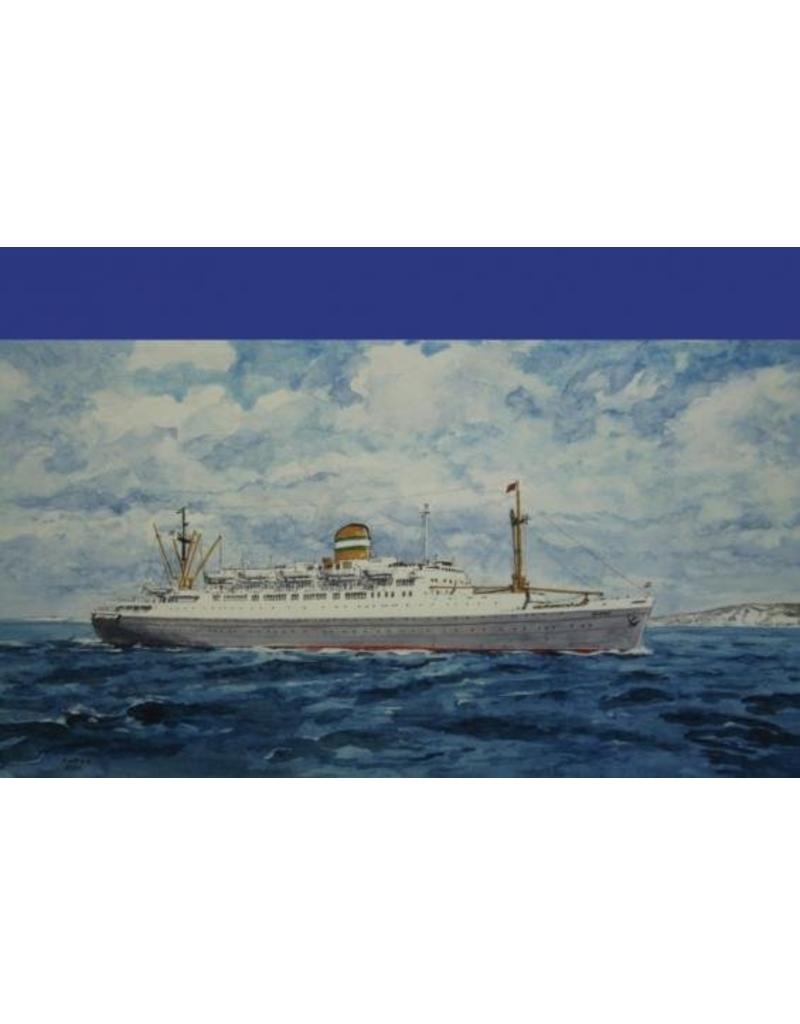
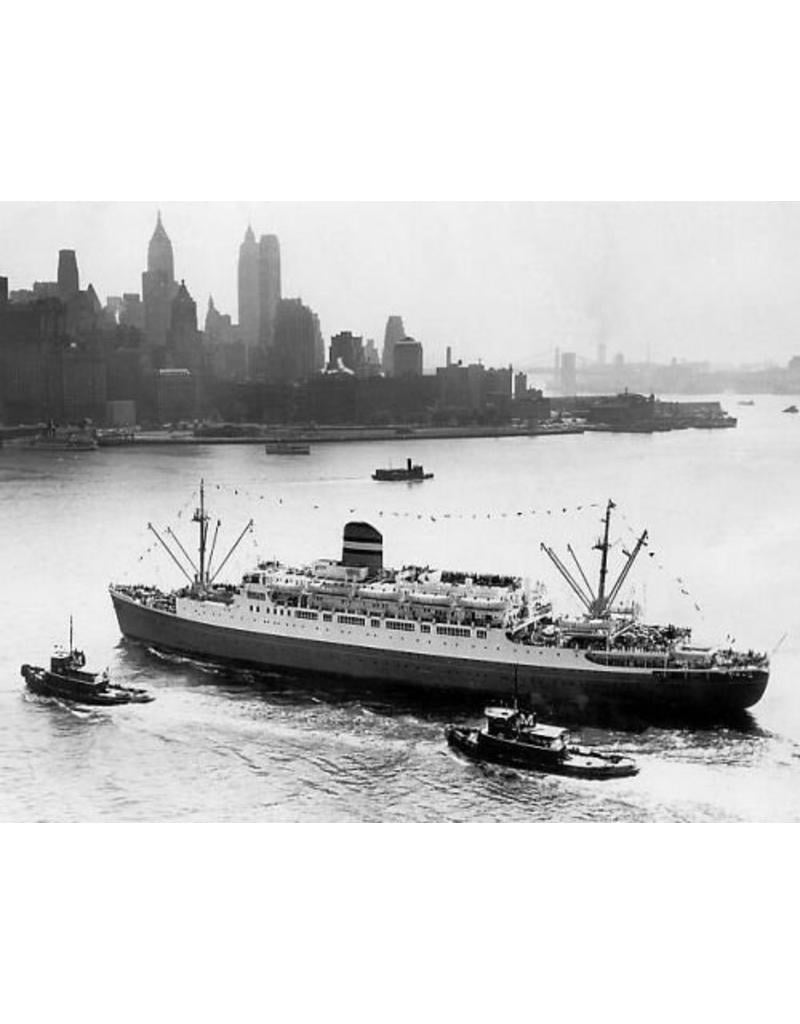
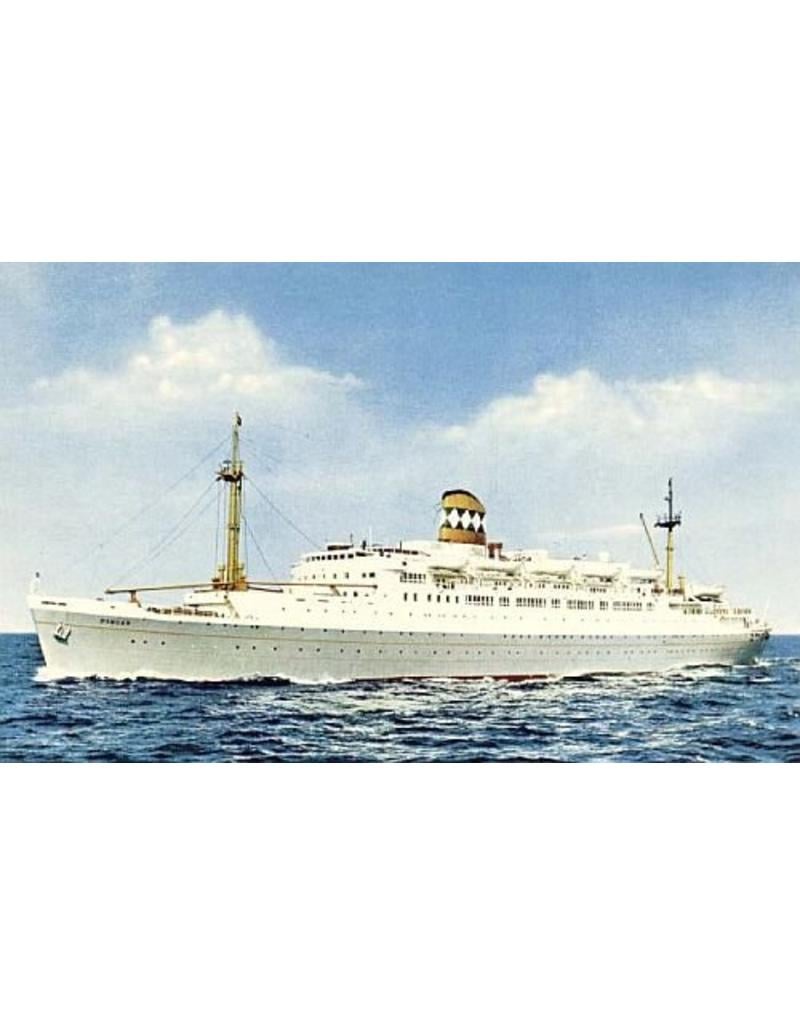
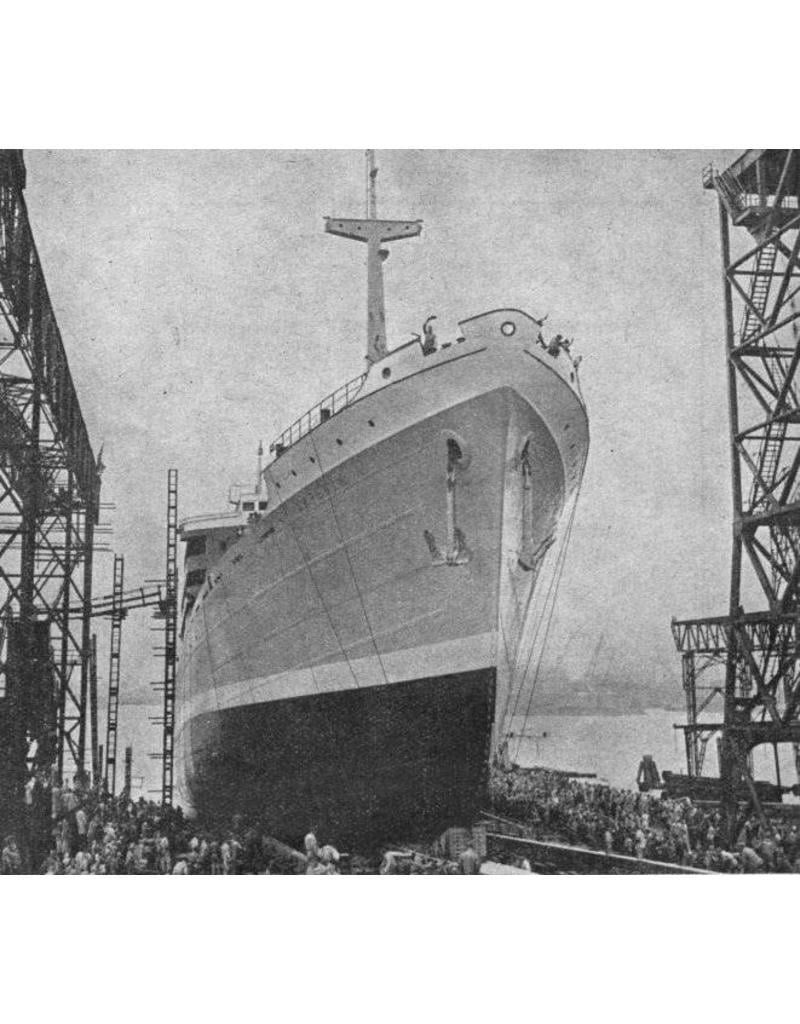
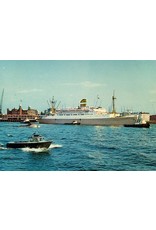
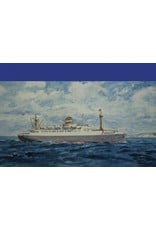
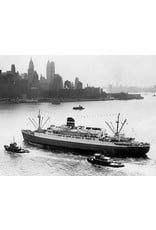
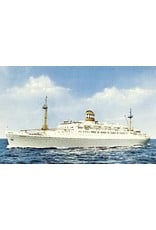
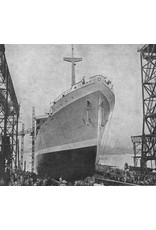
In the Netherlands, the Copa Casino is still best known by its original name, Rijndam. The ship was designed in 1949 as a combination of a cargo ship and a passenger ship, named Dinteldijk. In 1950, however, it was decided to build it exclusively for passenger service and to name it Rijndam. It was delivered on 19 June 1951, following its sea trials, to the Holland America Line at the Wilhelminakade in Rotterdam. Its call sign at the time was PHFR.
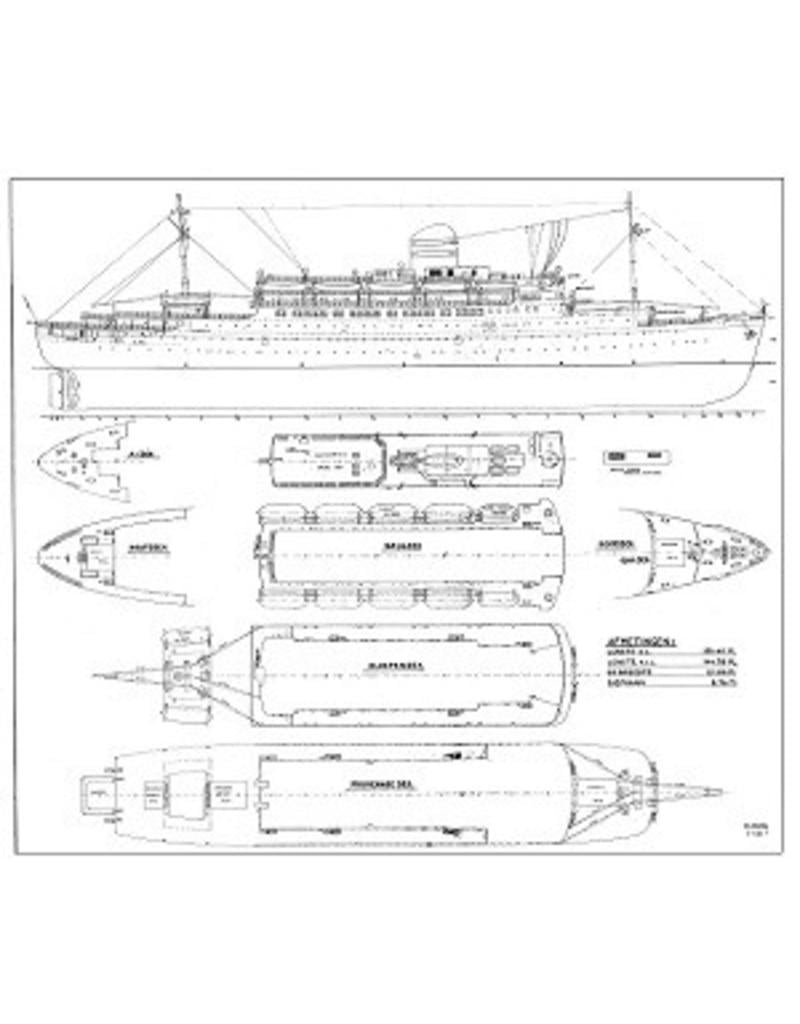
It was a sister ship to the Maasdam. The difference between the two ships is most easily seen in the saloon. The Maasdam had two rows of three windows there, whereas the Rijndam had two and four windows. Both ships had a particularly slender funnel, a Strombos Aerofoil funnel, which had first been used on the French ship President de Cazalet in 1950. This had relatively low air resistance and therefore created a slipstream that kept the smoke away from the deck. They had an outdoor swimming pool on the promenade deck at the stern, so that they could also be used as cruise ships in winter.
After the war, both ships played an important role in the emigration of many people from Europe. They made numerous voyages to New York and Pier 21 in Halifax (Nova Scotia), Canada, where many emigrants disembarked.
Rijndam
One of the main problems with both sister ships was the design of the hull as a cargo ship. For the comfort of the passengers, the ships actually rolled and pitched too much. In December 1954, the Rijndam was fitted with stabilisers at Wilton Fijenoord.
January 1955 Returned to Southampton due to vibrations. Stabiliser fins removed again.
1956: New stabiliser fins, this time of the Denny Brown type, which had a very positive effect on passenger comfort in rough seas.
1960: Deployed for service to Montreal.
1961: On both the Rijndam and the Maasdam, 24 tourist-class cabins on the Main Deck were converted into luxury cabins, reducing the number of beds in the tourist class to 822. In addition, the First Class Lounge was expanded to include a tasteful bar in an alcove on the starboard side.
6 November 1964: Deployed on a new service to Australia and New Zealand.
1965: First round-the-world voyage.
February 1966: Refitted at the Norddeutscher Lloyd shipyard in Bremerhaven.
Following the refit, the Rijndam was sold to Europa Canada Line GmbH, a subsidiary, and registered in Bremen under the German flag. The now yellow funnel was fitted with a green band featuring white chequered patterns. The intention was to organise low-cost student voyages, and the crew was replaced by Germans on lower wages.
8 October 1966: the ship set sail on its maiden voyage with students from Bremerhaven to New York.
20 October 1966: she set sail on a round-the-world cruise chartered by Chapman University College in Orange, California. There was no distinction between classes; there was also self-service in the dining room. Between voyages for the ‘floating university’ cruises, she crossed the Atlantic for various other student organisations.
August 1967: damage to a boiler was discovered. Repaired at Wilton Fijenoord in Schiedam.
28 August 1967: The Holland America Line was dissatisfied with the management of its German subsidiary, felt that too little profit had been made, and the ship was transferred back to a Dutch subsidiary, ‘Scheepvaart Maatschappij Trans-Ocean’. This subsidiary also specialised in emigrants and students. The funnel was repainted with a narrow red-white-blue band and a Dutch crew came on board again. Trans Ocean gave the ship a new name: Waterman
Waterman
On 29 September 1967, the ship departed from Bremerhaven and arrived in New York on 9 October, from where it set sail again on 11 October for a world cruise with Chapman University College.
24 May 1968 Departed for a number of voyages between New York and Rotterdam.
Rijndam
On 10 October 1968, she was renamed Rijndam in New York and set sail again for two voyages with students from Chapman University College, until 27 May 1969.
July 1970 Laid up in Schiedam.
9 October 1970 Back in service, now with Indonesian stewards. The use of cheaper labour attracted a great deal of comment in the press at the time.
1 February 1971 Last ‘Campus Afloat’ cruise for Chapman University College.
1 June 1971 Laid up at SCHIEDAM.
18 August 1972 Sold to World Wide Cruises, trading name of Epirotiki Steamship Nav. Co. in Piraeus, a Greek company with a Panamanian branch, and renamed Atlas, followed by a major refit.[2] Registered in Panama.
Atlas
1973 The ship underwent a thorough refit to give it a contemporary look. Among other things, the bow was sharpened, alongside internal alterations.
June 1977 Chartered to TUI, Germany, until October 1977.
Summer 1986 Laid up at Eleusis, Greece.
Pride of Mississippi
24 December 1988 Sold to Gulfside Casinos Inc and operated as a floating casino offering short cruises in the Gulf of Mexico, under the new name Pride of Mississippi Home port: Gulfport, Mississippi
Pride of Galveston
1991 Following an amendment to the casino law, laid up in Galveston, Texas, and given a new name: Pride of Galveston
1993 Returned to Gulfport following an amendment to the casino law. A new name: Copa Casino.
Copa Casino
1993 Permanently moored in the port of Biloxi, Mississippi, as a floating casino. However, when the company also opened a land-based establishment, it was decided to have the ship scrapped.
1995 Taken out of service. Later laid up in Mobile, Alabama.
Spring 2003 Sold to Argo Systems FZE[3] for scrapping in Alang, India.
Departed Mobile on 3 March 2003 and towed by the Fairplay XIV.
On 14 March 2003, the Copa Casino ran into trouble
On 16 March 2003, the ship sank off the coast of the Dominican Republic. The ship now lies at a depth of around 2,500 metres.
Specifications:
|
Drawing number |
10.10.006 |
|
Author |
J. van Tuyl |
|
Description |
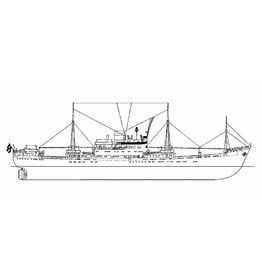
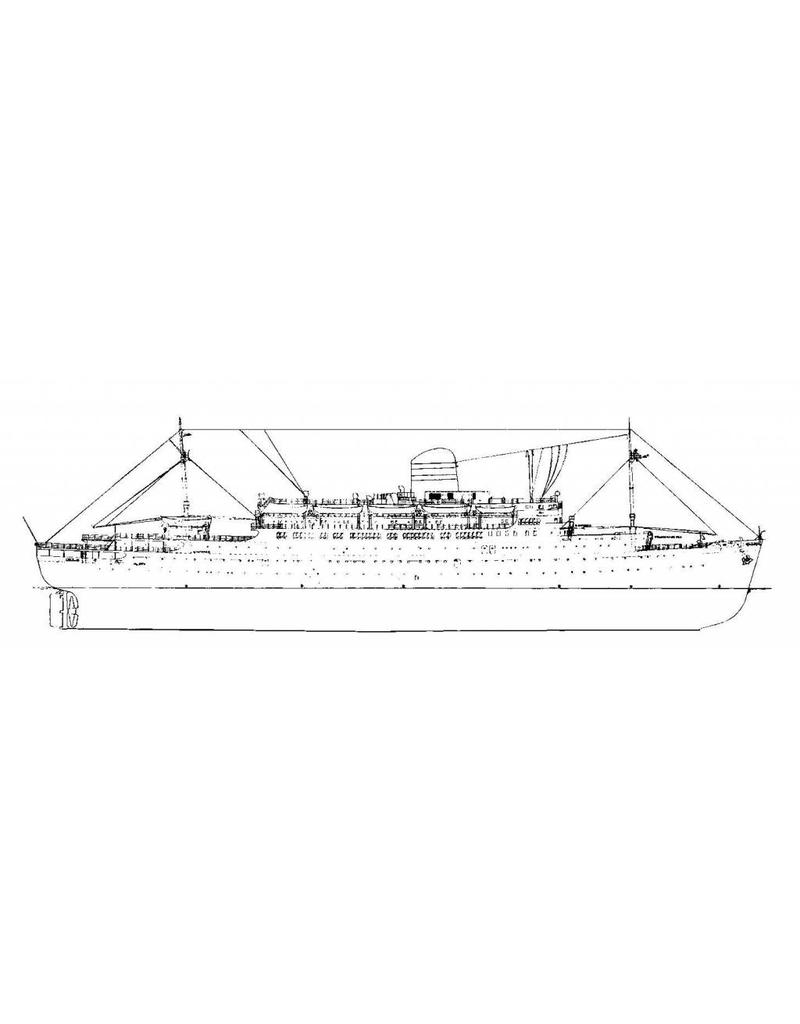
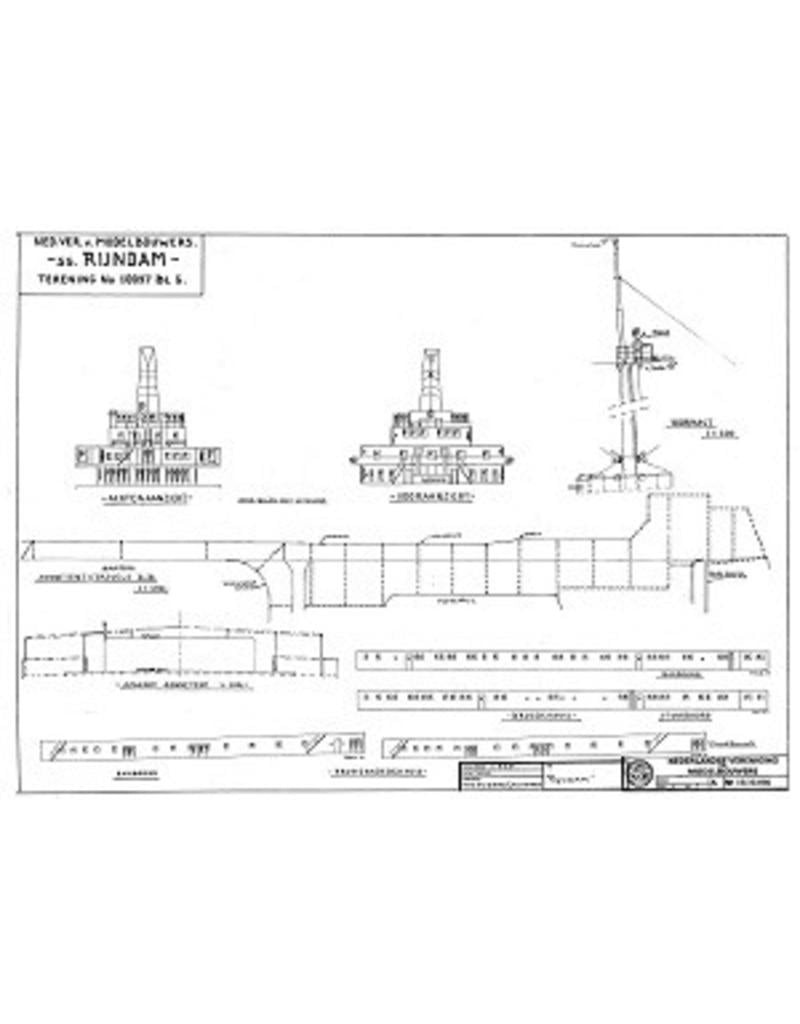
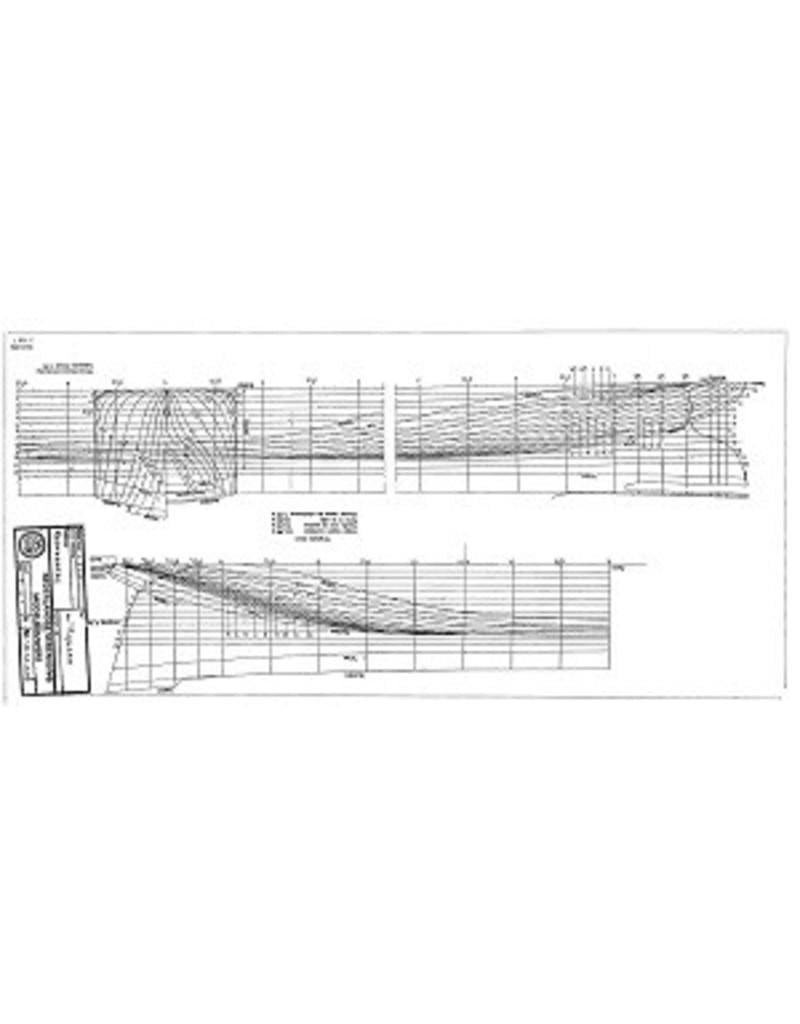
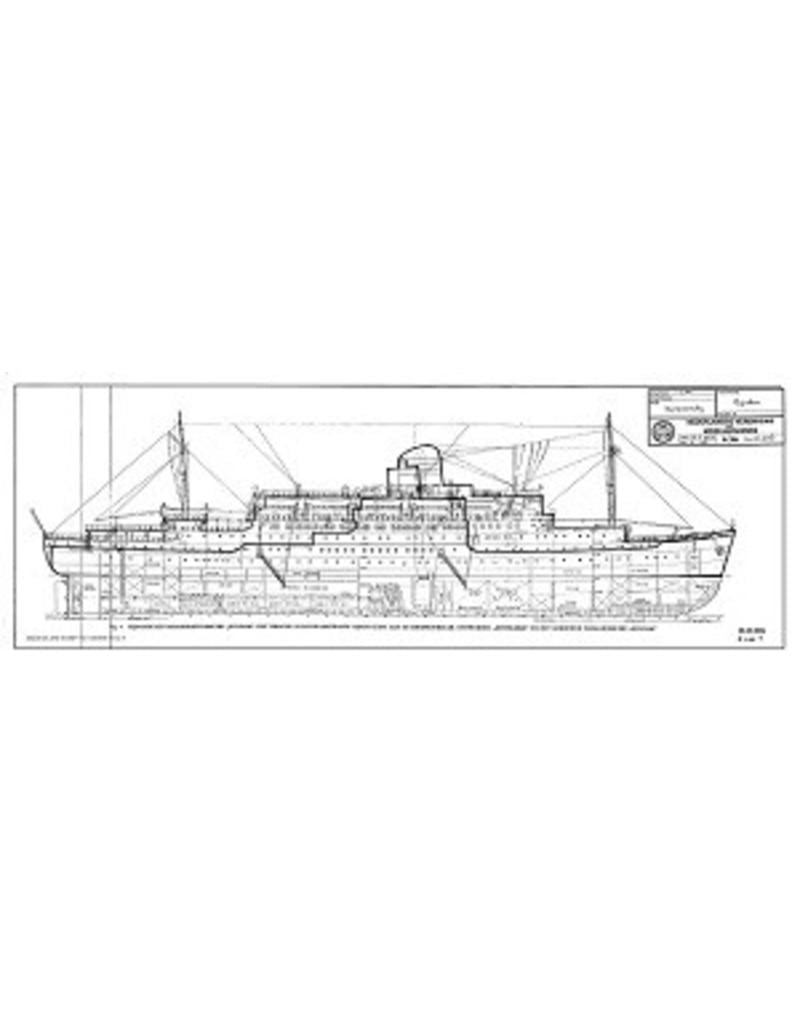
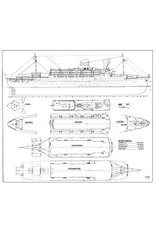
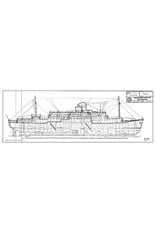
Passenger ship SS "Rijndam" (1951) - HAL |
|
Quality |
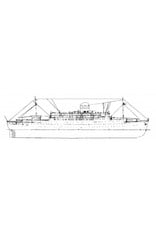
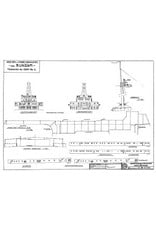
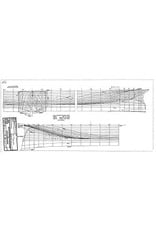
sp/lines; side view; deck plans; cross-sections; the set consists of a model-building drawing plus a general plan from "Scip en Werf". |
|
Scale |
1 : 200 |
|
Number of sheets A00 |
0 |
|
Number of A0 sheets |
1 |
|
Number of A1 sheets |
2 |
|
Number of A2 sheets |
4 |
|
Number of A3 sheets |
0 |
|
Number of A4 sheets |
0 |
|
Total number of drawing sheets |
7 |
|
Number of A4 text sheets |
4 |
|
Weight in grams |
325 |
|
Details |
total length 76 cm |
|
Remarks |