| Article number: | 10.11.066 |
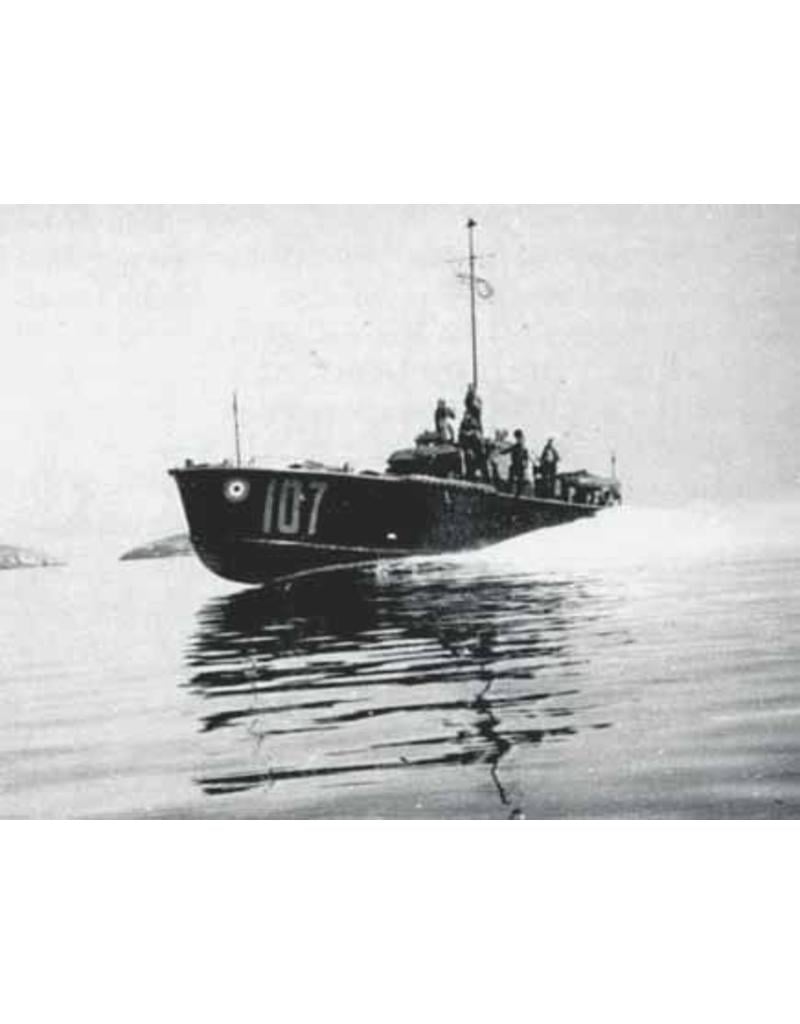
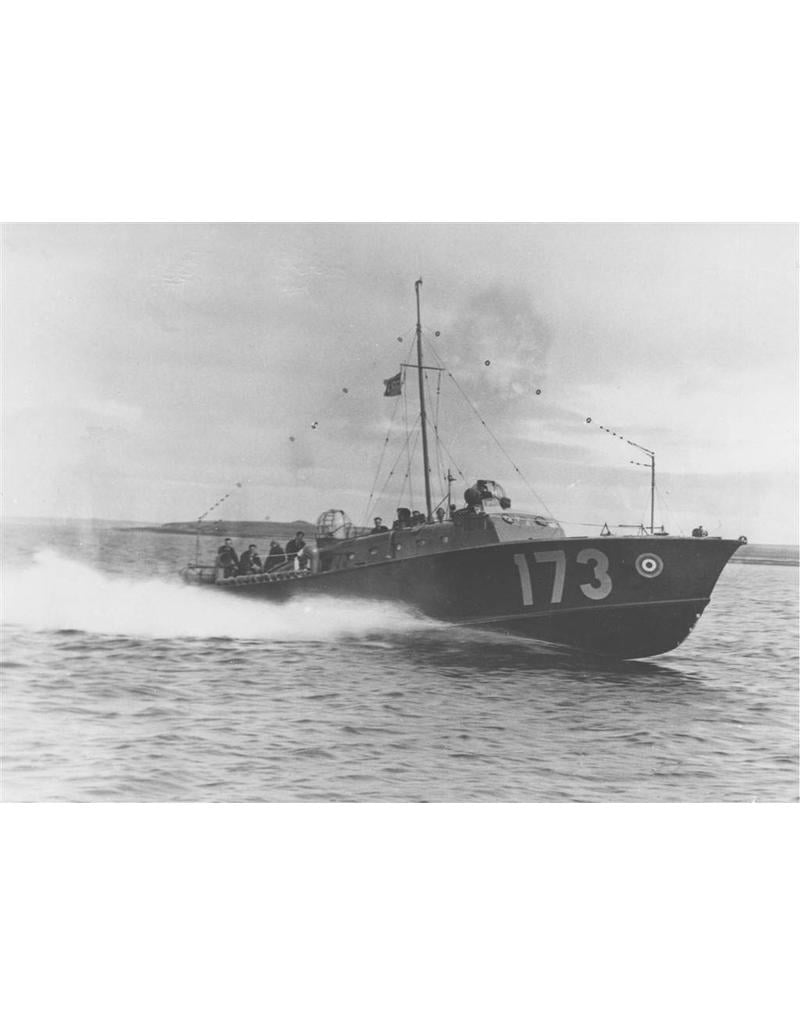
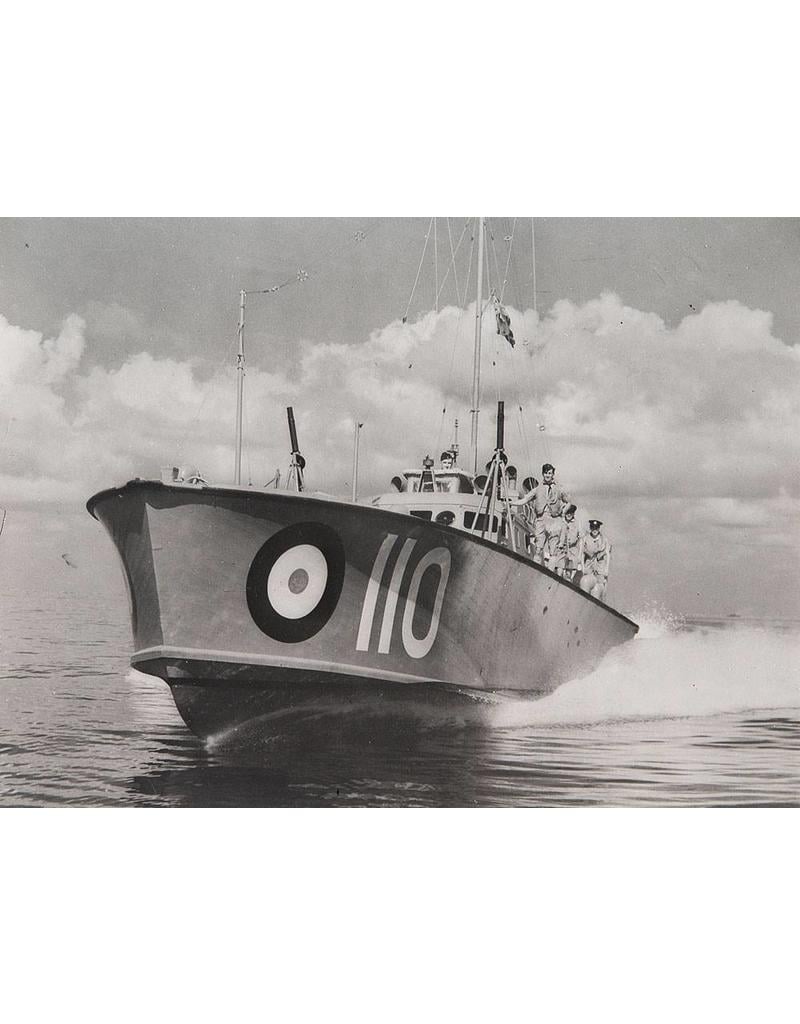
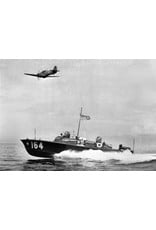
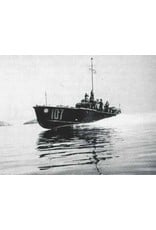
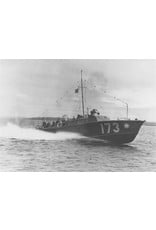
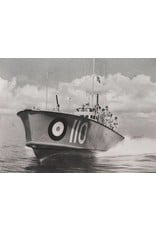
Overview of the RAF Air-Sea Rescue Launches (circa 1940), often referred to as High-Speed Launches (HSL):
Developed by the RAF Marine Branch (Marine Craft Section), active from 1918 to 1986, with the motto “The sea shall not have them”
In the early 1930s, it began with 200-class Seaplane Tenders, followed from 1940 by the specially developed 100-class HSL for rapid rescue operations
Early models played a significant role at Dunkirk (note: evacuation of troops May–June 1940)
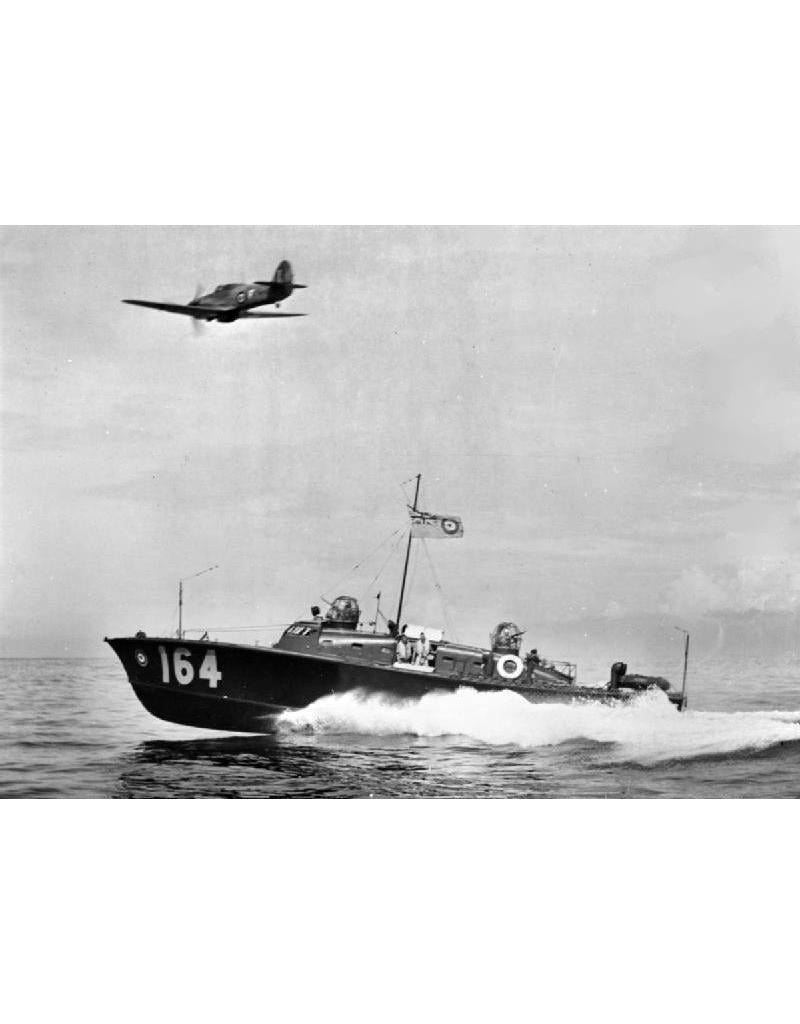
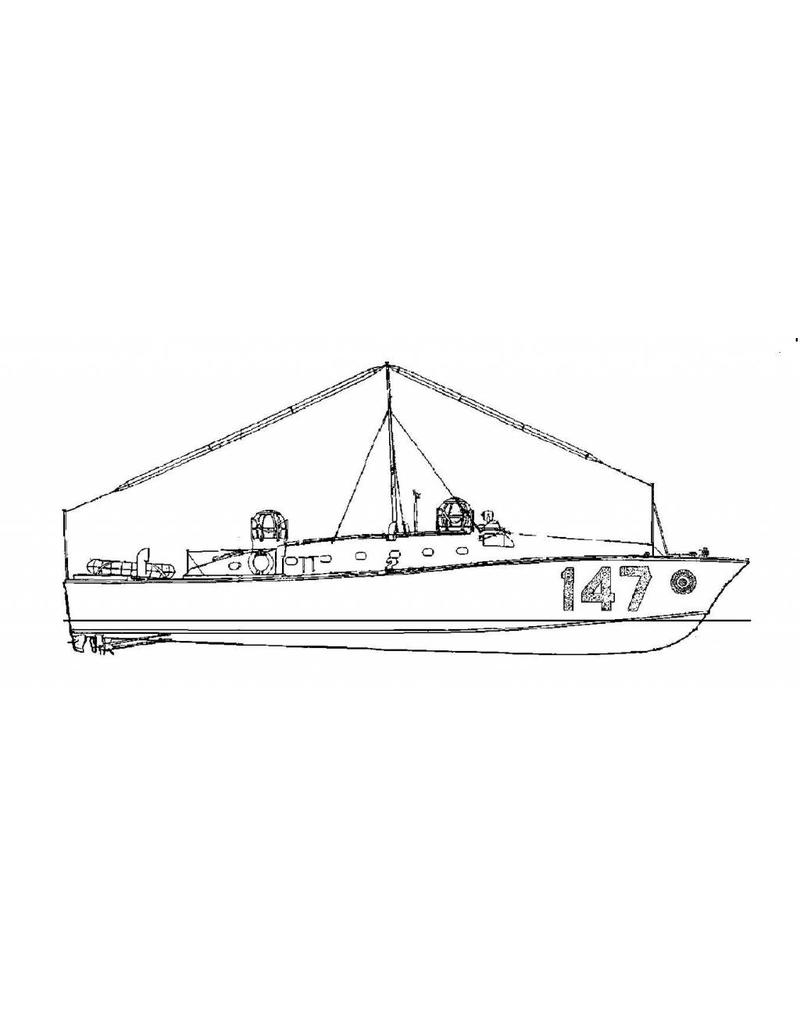
Designed in 1937 by George Selman (British Power Boat Co.), known as Type Two (Whaleback) with its characteristic curved deck and cabin
Length: 63 ft (19 m), weight approx. 21½ tonnes, top speed ~36 knots, range ~800 km
Crew: approximately 9 (including captain and medical officer).
Initially two .303 machine guns; from 1942 additional .303s and a 20 mm Oerlikon on the aft deck
Shrapnel plating added around the cabin for extra protection
Operational from mid-1940 to 1942, with 69 boats built
Active in the Battle of Britain, rescuing crashed RAF crews in the English Channel
100-class HSLs were present at major operations such as Dunkirk, Dieppe and D-Day, and later in the Mediterranean, the Indian Ocean and even South-East Asia
In 1941, a separate Air-Sea Rescue Service was established within the RAF
After the Second World War, a number of boats were transferred to the Royal Navy or other countries; most were later converted into houseboats or scrapped somewhere.
The RAF’s Marine Branch remained active until 1986, when helicopters took over
The RAF Air-Sea Rescue Launches – particularly the Type Two "Whaleback" HSL – formed a crucial part of the rescue infrastructure during the Second World War. They combined high speed, crew expertise, medical facilities and light armament to quickly rescue downed crews. They played a life-saving role in operations from Dunkirk to the Indian Ocean and saved thousands of lives.
Specifications:
|
Drawing number |
10.11.066 |
|
Description |
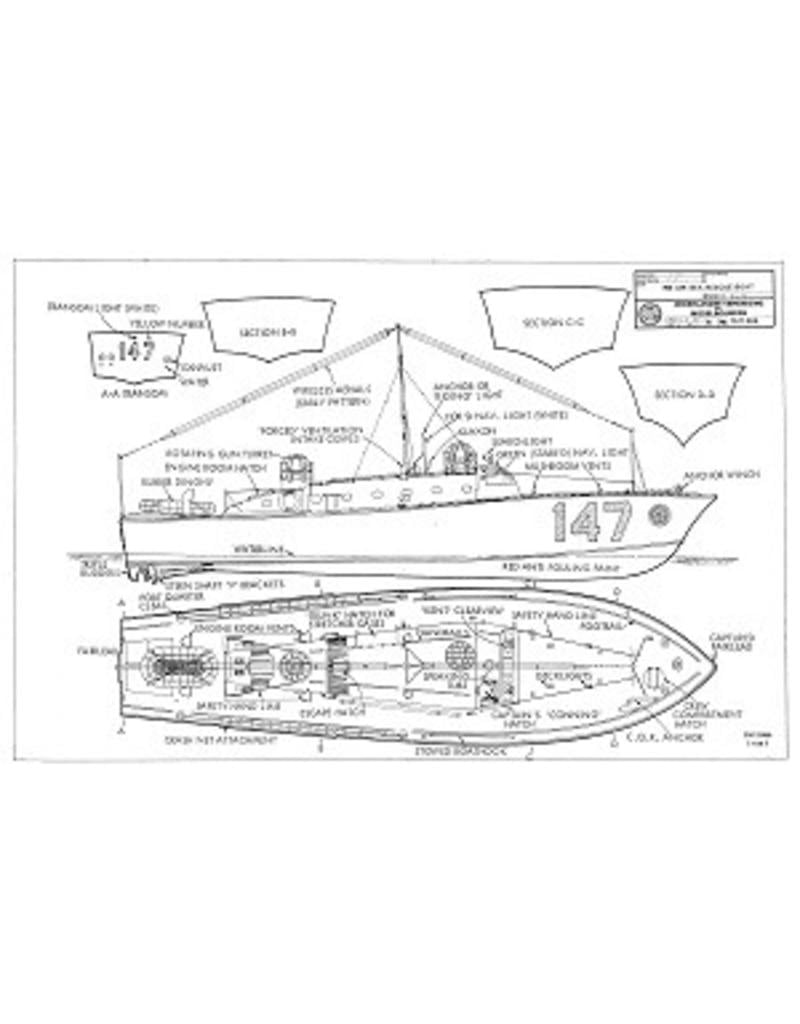
Air-Sea rescue boat (1940) - RAF |
|
Quality |
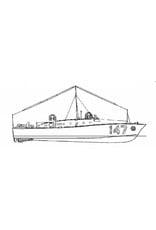
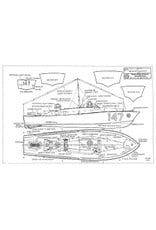
4 frames; side view; deck plan |
|
Scale |
1 : 20 |
|
Number of sheets A00 |
0 |
|
Number of A0 sheets |
0 |
|
Number of A1 sheets |
1 |
|
Number of A2 sheets |
0 |
|
Number of A3 sheets |
0 |
|
Number of A4 sheets |
0 |
|
Total number of drawing sheets |
1 |
|
Number of A4 text sheets |
0 |
|
Weight in grams |
40 |
|
Details |
Total length 53 cm |
|
Remarks |
artek 0003 |