| Article number: | 10.01.006D |
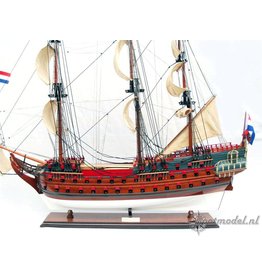
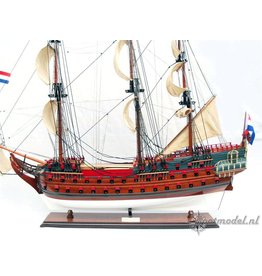
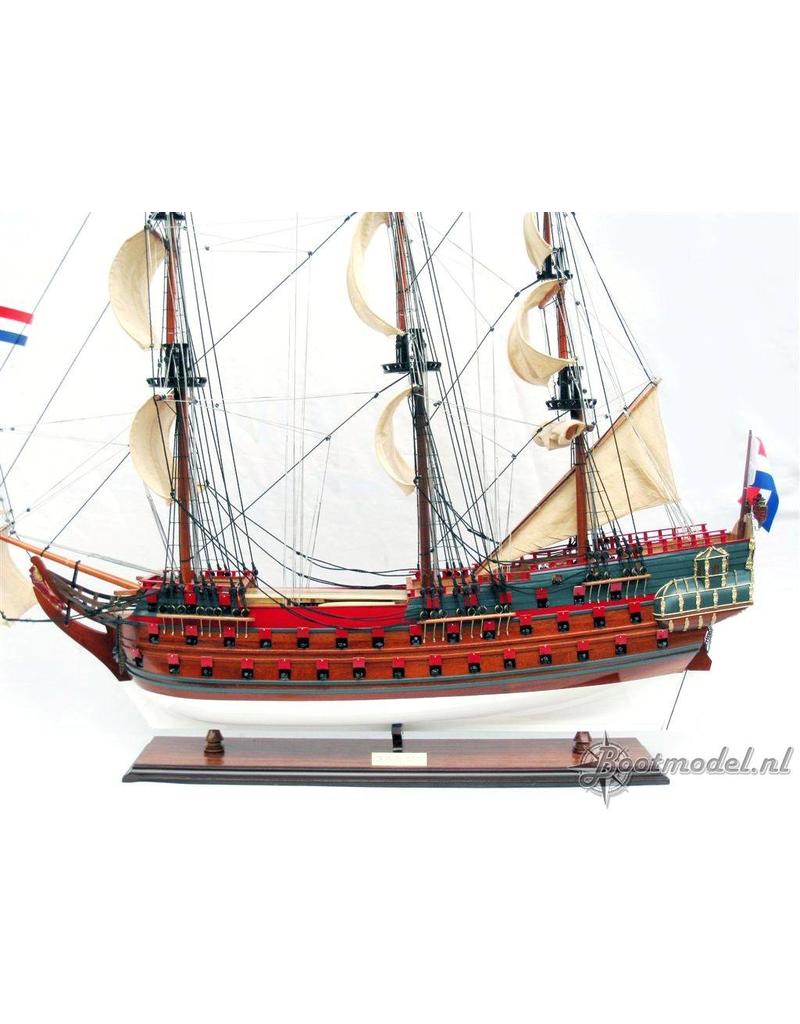
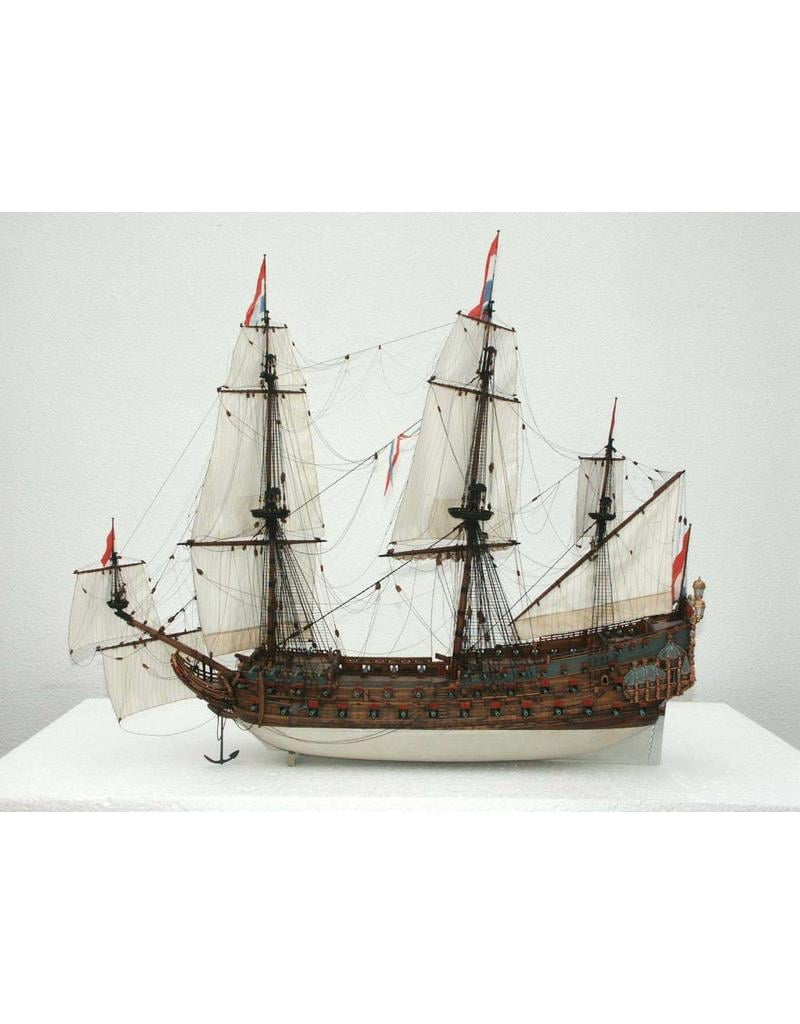
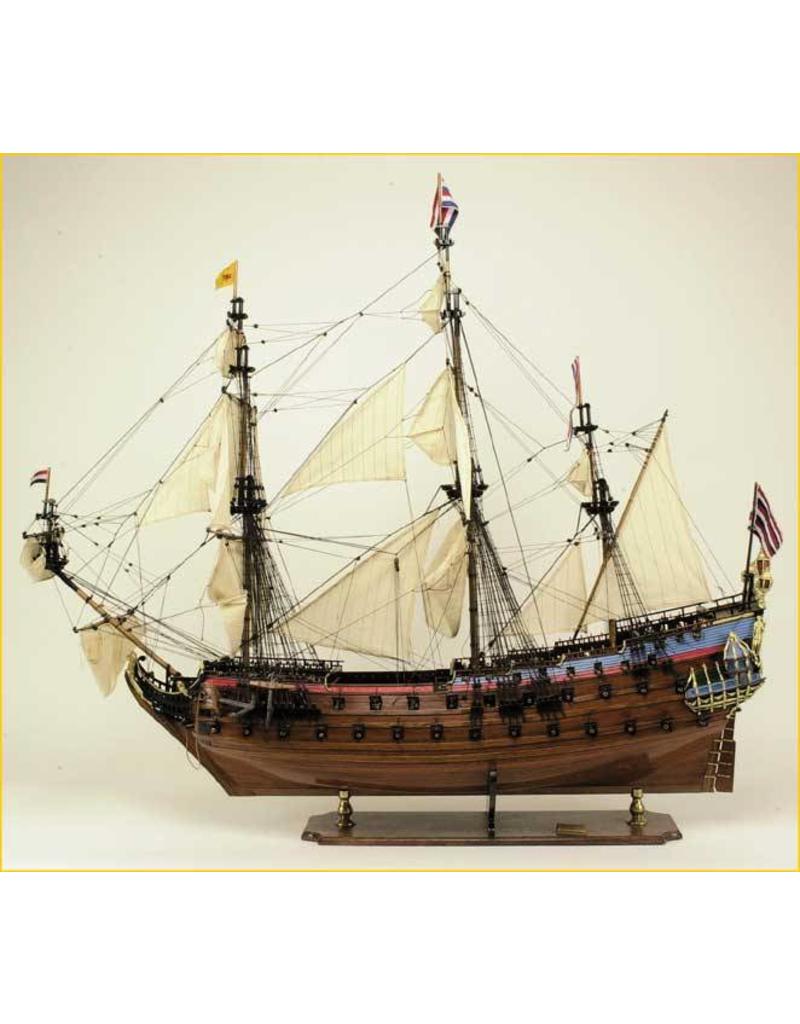
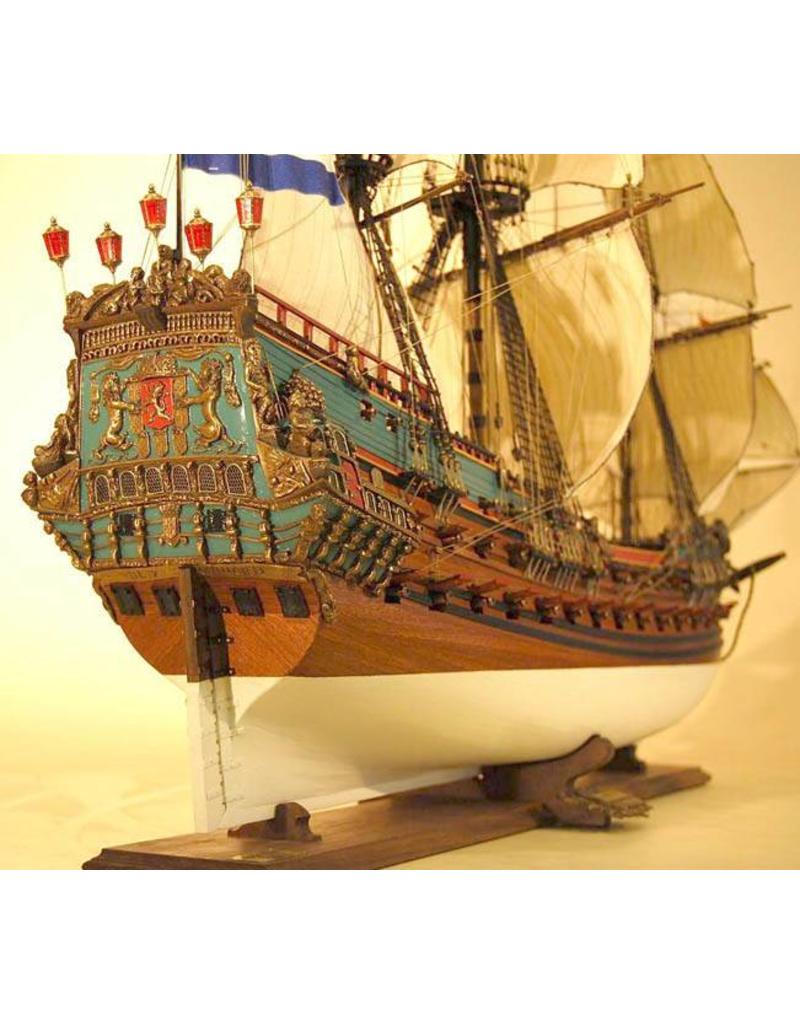
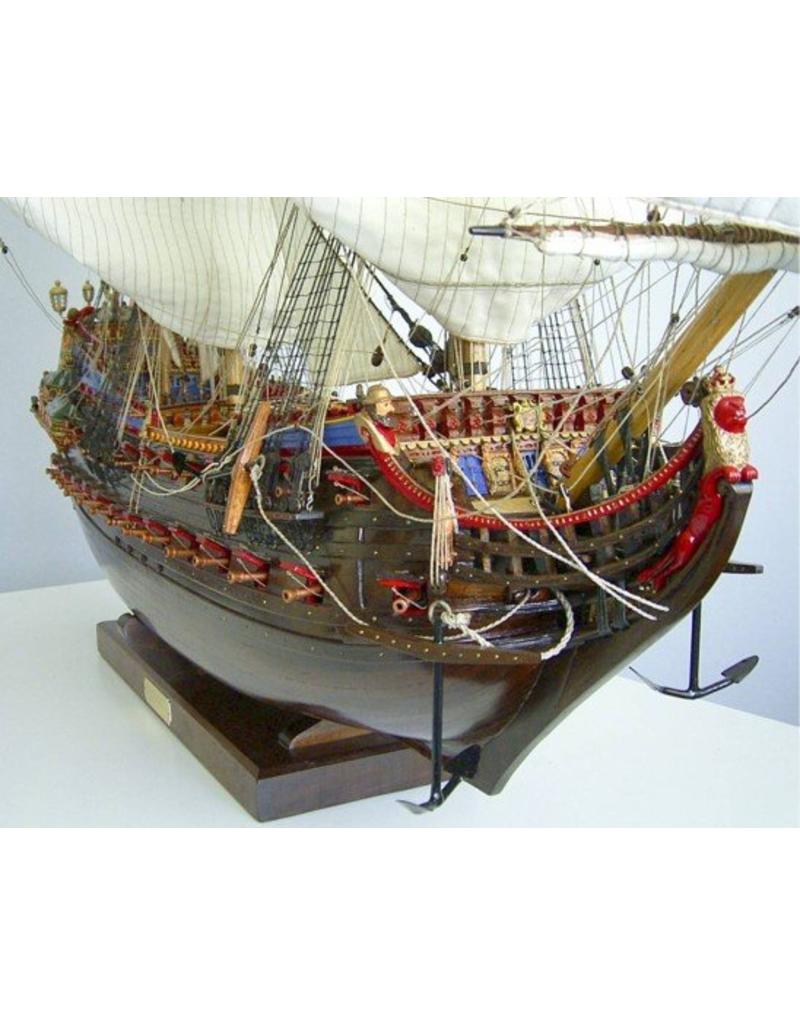
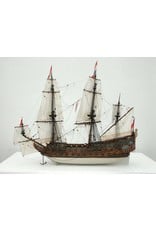
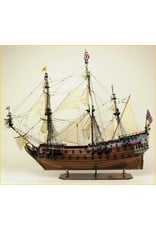
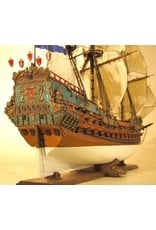
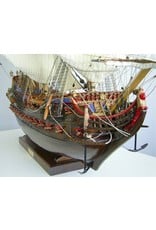
The 7 Provinciën was a famous Dutch warship that played an important role in 1665 during the Second Anglo-Dutch War (1665-1667). It was a 60-gun fleet, designed and built for the United Provinces (the seven rebellious Dutch provinces), and it was one of the most iconic ships of its time.
The ship was a ship of the line, meaning it was designed to participate in the strategic line-formation battles that characterised 17th-century naval engagements. It was built in the Dutch port city of Amsterdam and had an armament of 60 cannons distributed over two decks. The ship was designed to fight in the turbulent waters of the North Sea and had to protect the Dutch merchant fleet against threats from other maritime powers, particularly England.
The name "7 Provinciën" refers to the seven provinces of the Seventeen Provinces that jointly fought for independence from the Spanish Habsburgs. In the context of the ship, the name reflects the unity of the Dutch Republic, which was a global maritime power in the 17th century.
The ship "7 Provinciën" is best known for its involvement in the Battle of Lowestoft on 13 June 1665. This naval battle was one of the most important confrontations in the Second Anglo-Dutch War, in which the English fleet, led by Admiral Robert Blake, faced the Dutch fleet, which was commanded by Admiral Michiel de Ruyter.
In the Battle of Lowestoft, the Dutch fleet, despite losing ships and heavy fighting, ultimately managed to gain the upper hand. The ship "7 Provinciën" played an important role in the battle, although it was heavily damaged itself. The battle itself was tactically a victory for the English, but strategically it contributed to strengthening the reputation of the Dutch navy.
After the Battle of Lowestoft, the ship "7 Provinciën" became obsolete and was taken out of active service. It was eventually removed from the fleet in 1667, as ship technology advanced rapidly and vessels became increasingly larger and stronger. The Netherlands then continued to develop even more powerful warships, such as the "Eendracht" and other new designs.
The "7 Provinciën" not only symbolises Dutch naval power but also the military success of the Dutch Republic during the 17th century, a period in which the Netherlands was a global maritime power. The ship also represents the strength of the Dutch Republic as a maritime power, at a time when sea trade and warfare were essential for the country's economic success.
The ship itself became known in history for its name and the fact that it played an important role in the Second Anglo-Dutch War. It is a symbol of the naval power and determination of the Dutch, despite the challenges they faced during the wars against England.
7 Provinciën reminds us of the glorious era of Dutch maritime history and its key role in 17th-century world politics.
Specifications :
|
Drawing number |
10.01.006/D |
|
Description |
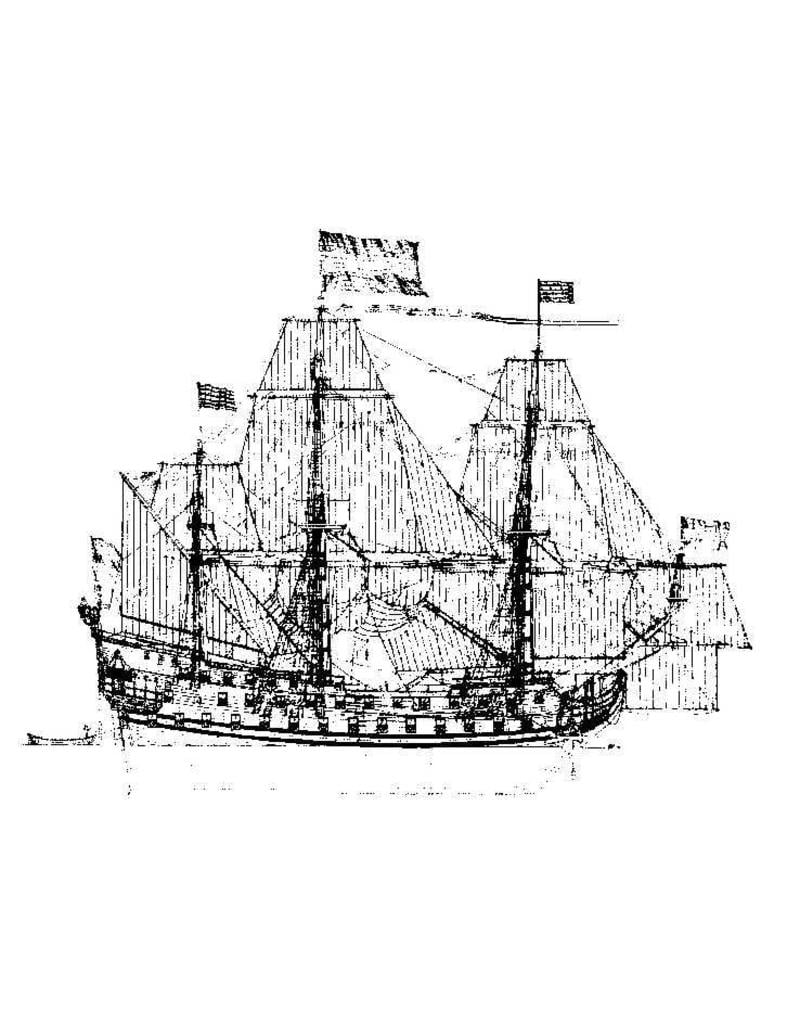
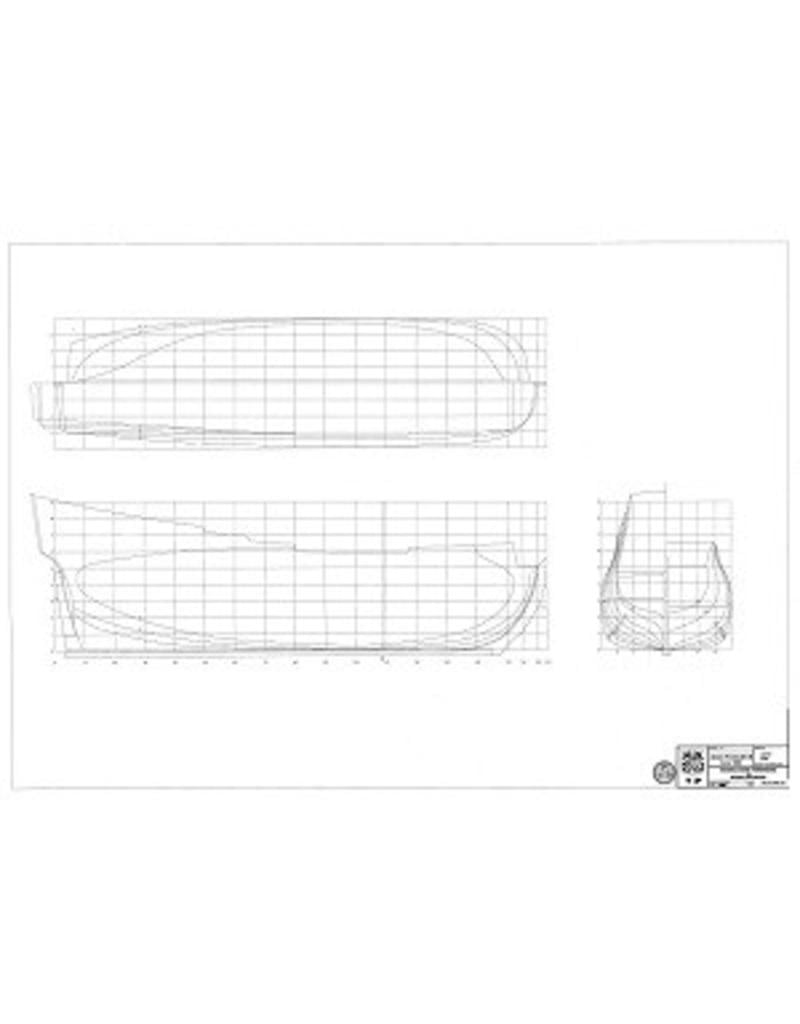
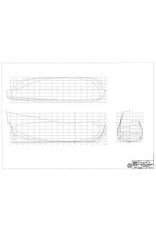
"7 Provincien" (1665) (II) improved lines plan |
|
Quality |
sp/lines |
|
Scale |
1 : 77 |
|
Number of sheets A00 |
0 |
|
Number of sheets A0 |
1 |
|
Number of sheets A1 |
0 |
|
Number of sheets A2 |
0 |
|
Number of sheets A3 |
0 |
|
Number of sheets A4 |
0 |
|
Total number of drawing sheets |
1 |
|
Number of A4 text sheets |
0 |
|
Weight in grams |
105 |
|
Special notes |
see 10.01.006 |
|
Remarks |