| Article number: | 10.03.040 |
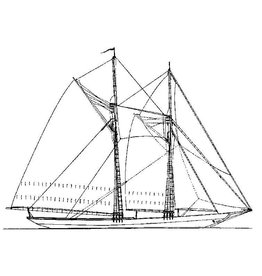
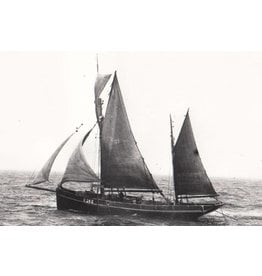
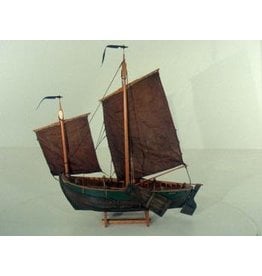
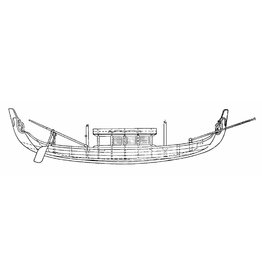
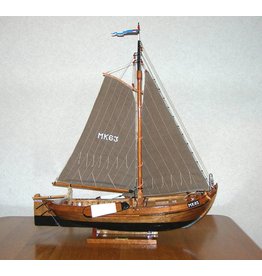
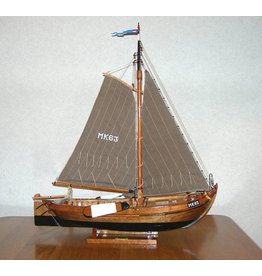
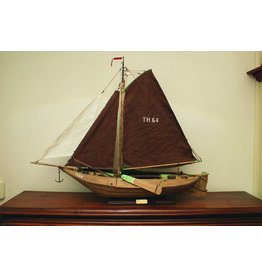
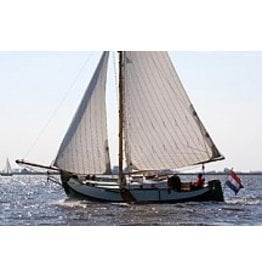
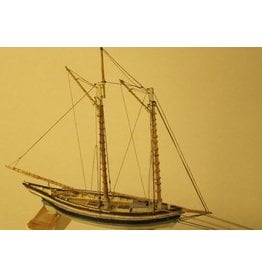
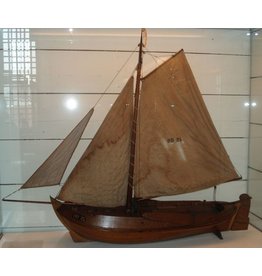
The Zuiderzeepunter is a type of traditional Dutch vessel that was originally used for fishing on the Zuiderzee, a former lake that is now the IJsselmeer. The vessel owes its name to the area where it was used and is an important part of Dutch maritime history.
Type: Flat-bottomed vessel, designed for the shallow waters of the Zuiderzee.
Length: Usually between 9 and 15 metres.
Width: Relatively narrow, which makes the punt suitable for shallow waters.
Draught: Approximately 0.5 to 1 metre, allowing the vessel to navigate well in shallow areas.
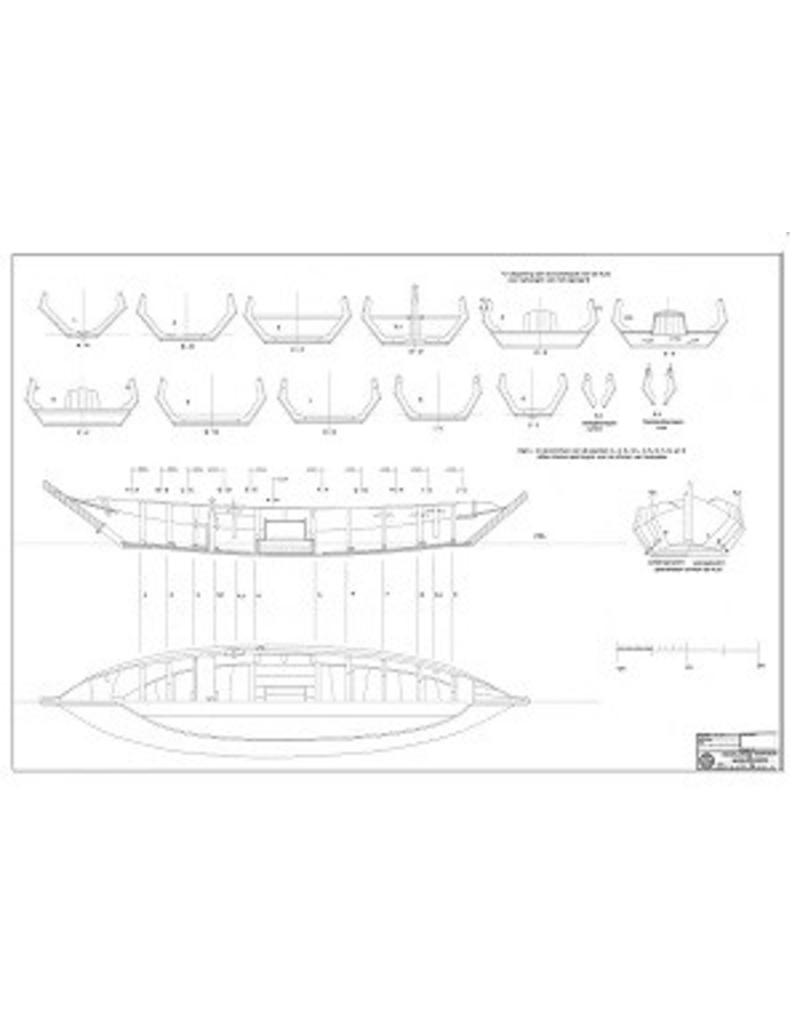
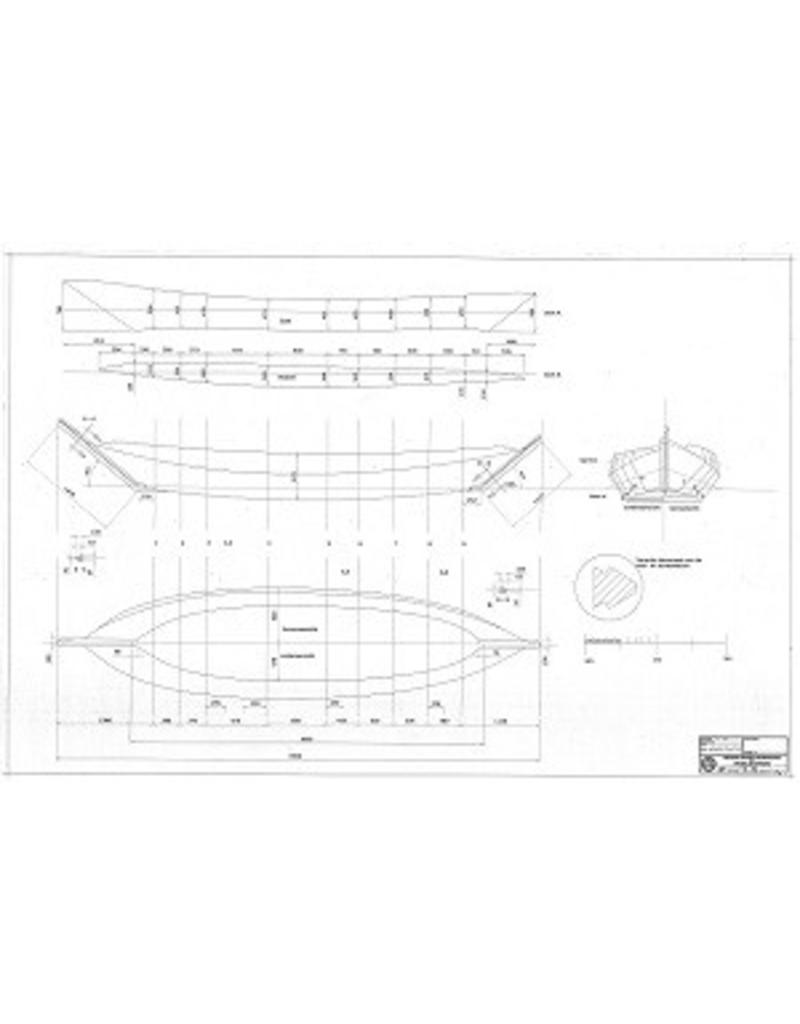
Hull: The hull is often straight-lined and wide, with a sharp bow and an upward-sloping stern. This made the vessel stable and suitable for carrying nets and fish.
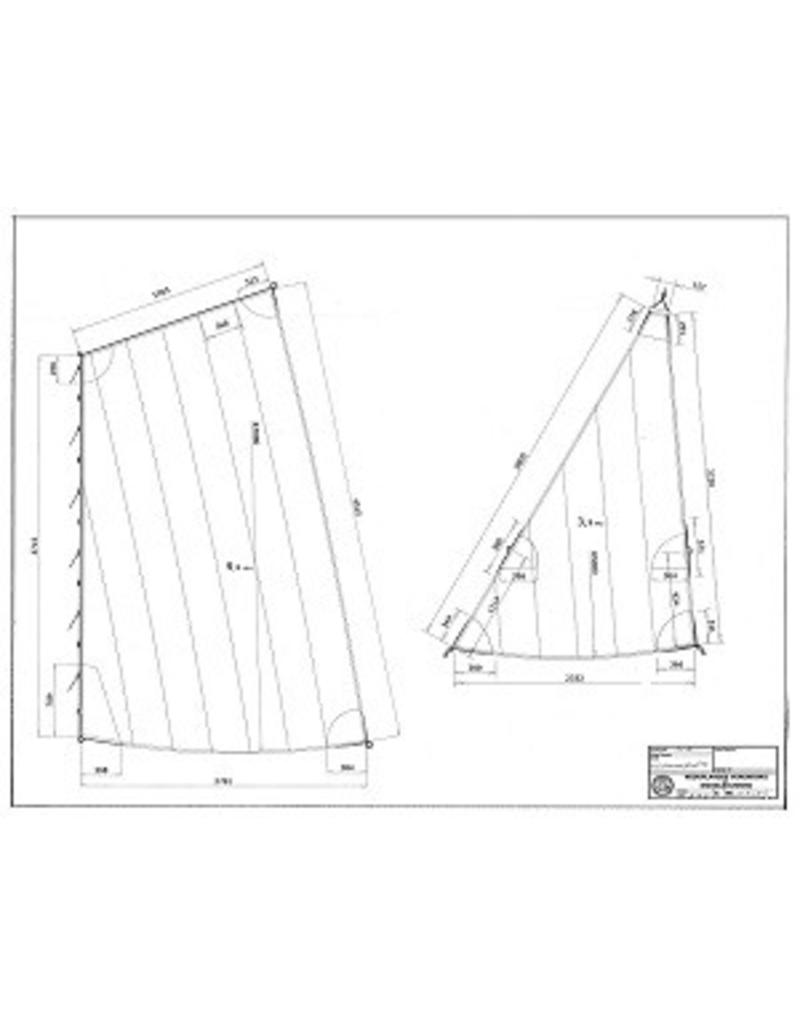
Sails: The Zuiderzeepunter was originally propelled by a mainsail and a jib. The vessel usually had one mast, but some had two masts for extra sail area.
Usage: In fishing, the punt was used for catching fish species such as herring and eel. It was also used for transporting goods across the Zuiderzee.
The Zuiderzeepunter was widely used until the beginning of the 20th century, especially by fishermen in the region around the Zuiderzee. The vessel was an essential part of the local economy and was employed for both commercial fishing and the transport of fish to markets in towns around the Zuiderzee.
Fishing on the Zuiderzee was very important for the local communities, and the punt was the main vessel for these enterprises. They were often seen as symbols of the maritime culture in the region. The vessel was well adapted to the shallow, changing waters of the Zuiderzee, which were often densely overgrown and contained obstacles such as sandbanks and shallow reefs.
Fishing techniques: The punt was primarily used for catching fish with nets, for example, herring fishing. There were also variants suitable for the fishing process with trawl nets.
Loading and unloading: Because the punt had a flat bottom, it was easy to load and unload, which simplified the transport of fish.
With the construction of the Afsluitdijk in 1932, which transformed the Zuiderzee into the IJsselmeer, the use of the Zuiderzeepunter changed. Fishing in the region declined due to the closure of the sea, and modern technologies replaced many of the traditional vessels. Although the Zuiderzeepunter lost its function as a fishing vessel, it remains an important symbol of the maritime history of the Netherlands.
Today, replicas and restored examples of the Zuiderzeepunter can still be found. They are often used for tourist boat trips, museum purposes, or as an educational tool to preserve the rich history of the Zuiderzee and its fishing culture. In some cases, they are also still used for recreational sailing.
There are also associations and foundations dedicated to the preservation of the Zuiderzeepunter, such as the Stichting De Zuiderzeepunter (Zuiderzeepunter Foundation).
Specifications:
|
Drawing number |
10.03.040 |
|
Author |
H. van derÌ´Ì_Biezen |
|
Description |
Zuiderzeepunter |
|
Quality |
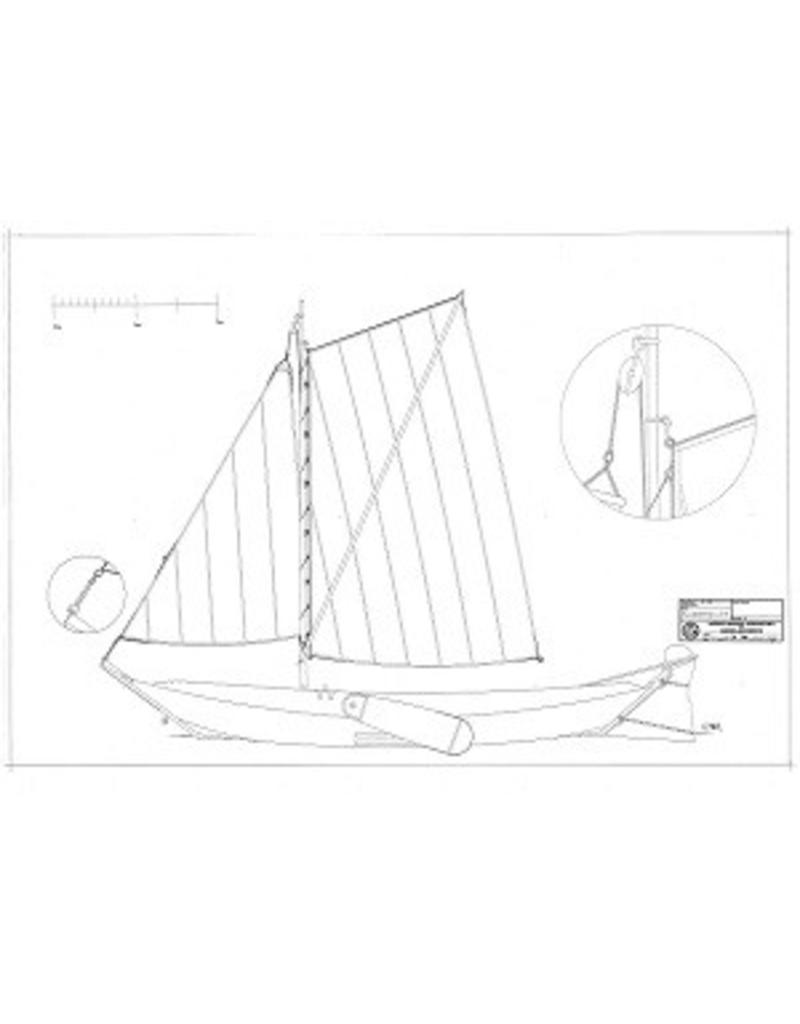
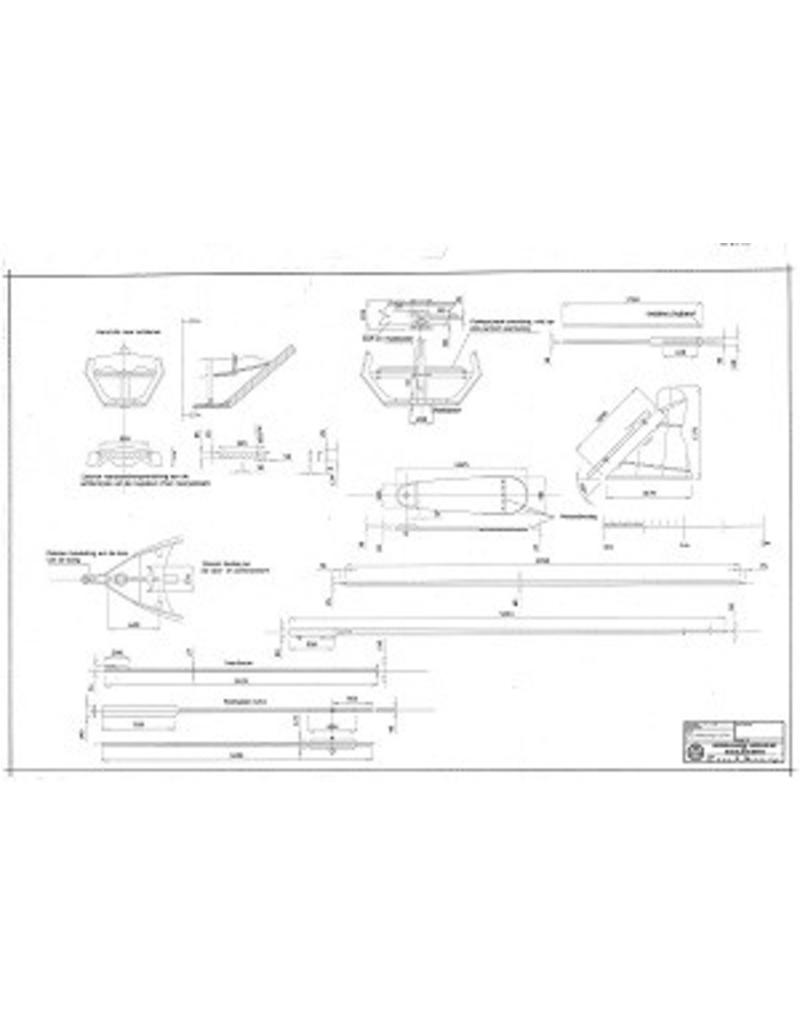
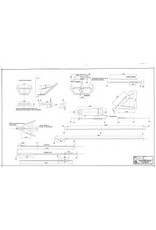
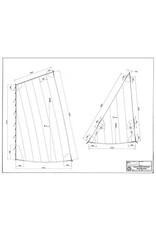
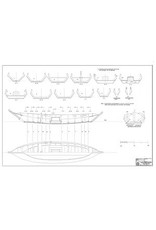
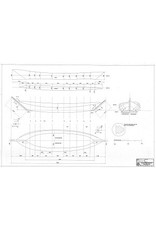
frame plan; construction frames; deck plan; elevation/rigging plan; details |
|
Scale |
1 : 10 |
|
Number of sheets A00 |
0 |
|
Number of sheets A0 |
4 |
|
Number of sheets A1 |
1 |
|
Number of sheets A2 |
0 |
|
Number of sheets A3 |
0 |
|
Number of sheets A4 |
0 |
|
Total number of drawing sheets |
5 |
|
Number of A4 text sheets |
0 |
|
Weight in grams |
385 |
|
Special features |
l.o.a. 73 cm |