| Article number: | 10.20.071 |
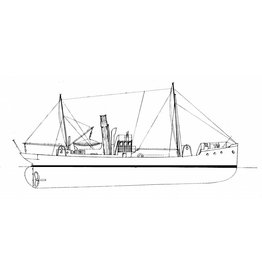
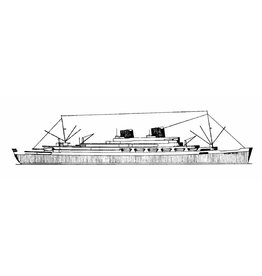
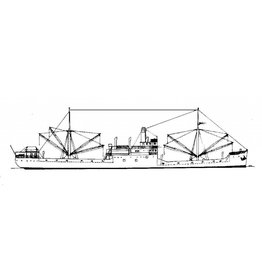
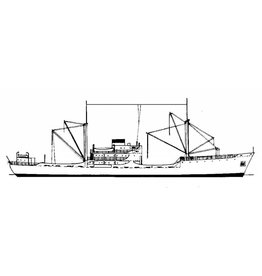
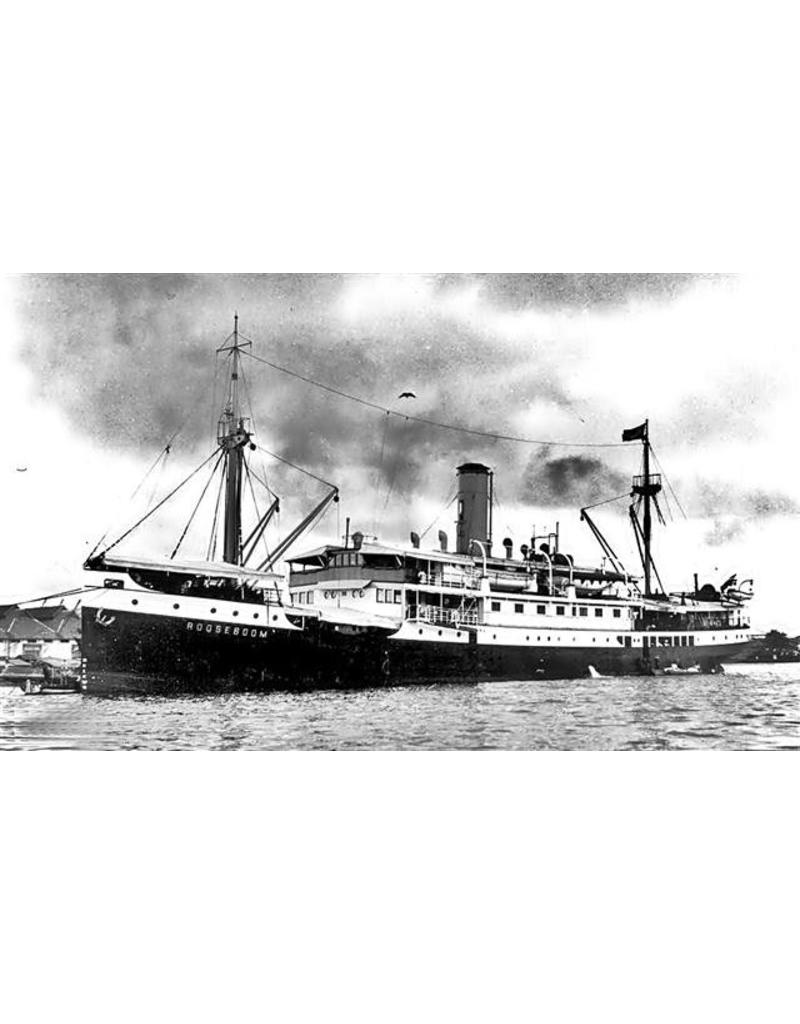
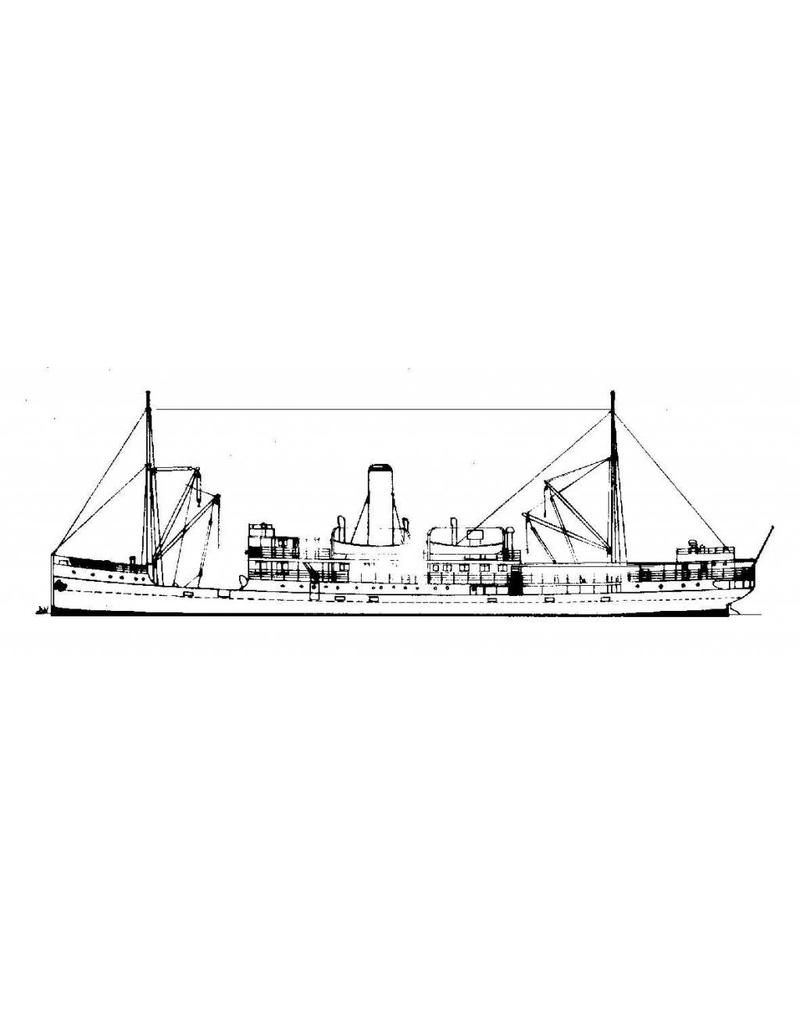
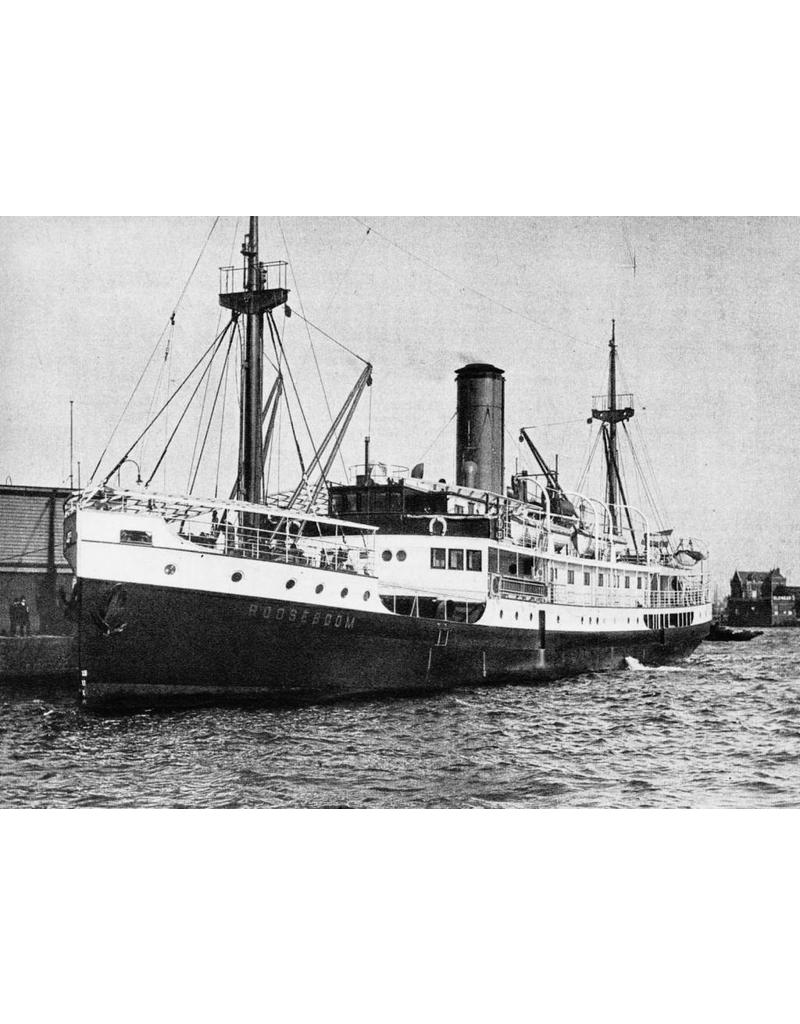
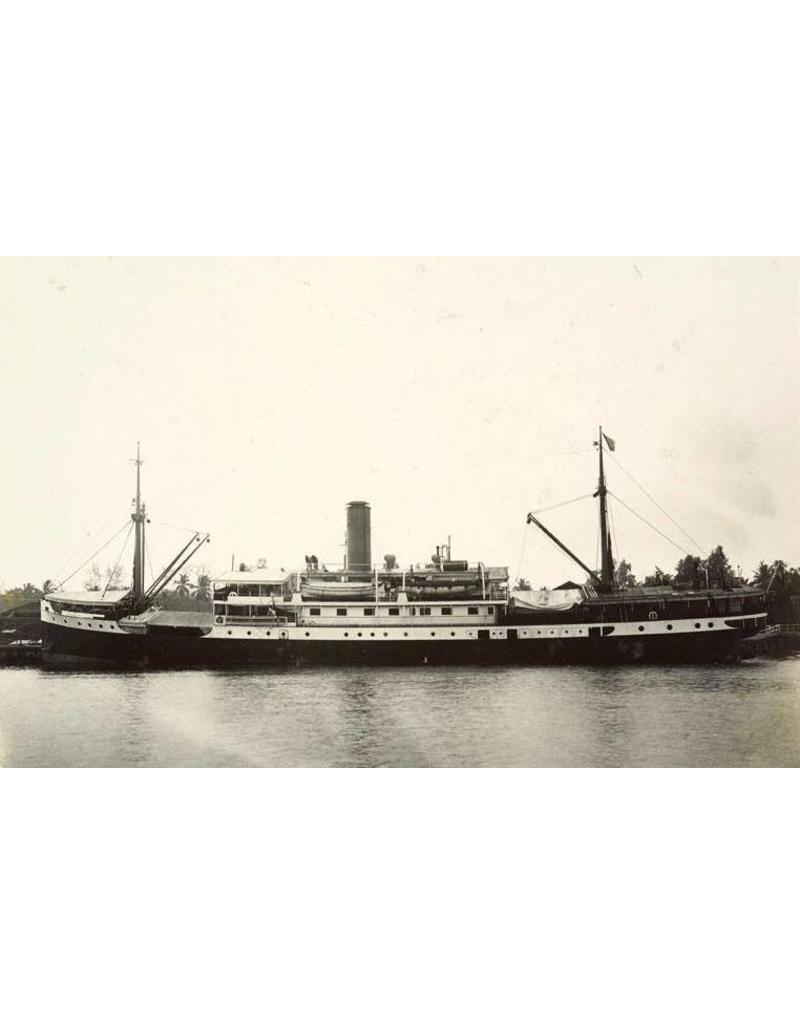
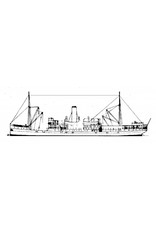
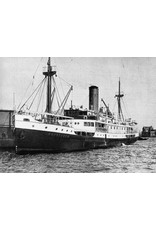
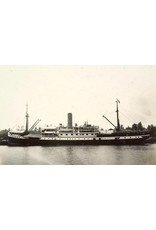
SS Rooseboom was a 1,035-tonne Dutch steamship owned by KPM (Koninklijke Paketvaart-Maatschappij or Royal Packet Navigation Co. of the Netherlands East Indies) and built in 1926 by Rijkee & Co of Rotterdam.[1
The sinking[edit]
Main article: Battle of Malaya
Main article: Battle of Singapore
In February 1942, British Malaya and Singapore had surrendered to the Japanese Army. Over 100,000 British and Empire military personnel had been taken prisoner, along with thousands of civilians. A few thousand more were fleeing to thenearby Netherlands East Indies and from there to Australia, Ceylon or India on any ship they could find. Many of these ships were lost to Japanese attacks amongst the islands scattered around Sumatra and Java whilst attempting to escape. The Rooseboom, underCaptain Marinus Cornelis Anthonie Boon, was carrying around 500 passengers (mainly British military personnel and civilians) from Padang to Colombo in Ceylon.[2]
On 1 March 1942 at 11.35 pm, the Rooseboom was sailing west of Sumatra when it was spotted by the Japanese submarine I-59 (later redesignated I-159) under the command of Lieutenant Yoshimatsu and torpedoed. The Rooseboom capsized and sank rapidly, leaving one lifeboat (designed to hold 28 people) and 135 people in the water. Eighty people were in the lifeboat; the rest clung to flotsam or floated in the sea. Two of these survivors were picked up nine days later by the Dutch freighter Palopo. Until the end of the Second World War, they were assumed to be the only survivors.[2]
The lifeboat[edit]
The story of the survivors on the lifeboat was recounted by Walter Gardiner Gibson (a corporal from the Argyll and Sutherland Highlanders) in a book published in 1952; he is the only known witness to the events that unfolded on the lifeboat over the next 26 days. His account was given to the British authorities after the war but was first heard publicly in courtin Edinburgh in 1949 in order to confirm that Major Angus Macdonald was dead so that his estate could be settled.
According to Gibson, there were an estimated 135 survivors in and around the lifeboat, many with injuries, including Gibson himself, who was in the lifeboat due to those injuries. Among the survivors were Captain M.C.A. Boon and the senior surviving British officer, Brigadier Archie Paris (who had commanded the 15th Indian Infantry Brigade during the Battle of Malaya).[3] There were also two other Argyll officers aboard the Rooseboom: Major Angus Macdonald, second in command of the Argylls, and Captain Mike Blackwood.[3]These two officers were chiefly responsible for holding up a Japanese tank column during the Battle of Bukit Timah.[4] Paris, MacDonald, Blackwood and a number of the other military passengers were among a select few of the most proven fighters chosen to be evacuated rather than being lost to a POW camp. By the time the boat had drifted for more than 1,000 miles (1,600 km) and run aground on a coral reef less than 100 miles (160 km) from Padang, the Rooseboom’spoint of departure, only five of its 80 passengers remained alive, and one of those drowned in the surf whilst attempting to land.
In Gibson’s account, the ordeal that followed the sinking revealed the worst of human nature under some of the most extreme conditions. On the first night, many of those in the water drowned or gave up. Some twenty men built a raft from flotsam and towed it behind the boat. The raft slowly sank and all twenty perished three days later. In the first few days, discipline collapsed; men and women went mad with thirst, some drinking seawater, which sent them into hallucinations. Many threw themselves overboard rather than face further suffering, and a gang of five renegade soldiers positioned themselves in the bow and, at night, systematically pushed the weaker survivors overboard to make the meagre rations go further. Gibson claims to have organised an attack on the renegades with a group of others who rushed them and pushed them en masse into the sea. Brigadier Paris died, hallucinating before he fell into his final coma. The Dutch captain was killed by one of his own engineers. Towards the end, Gibson realised that all who remained alive were himself, another white man, a Chinese woman named Doris Lin and four Javanese seamen. That night, the Javanese attacked the other white man, killed him and then ate part of him. Later, the oldest Javanese man died.[5]
The lifeboat washed up on Sipora, an island off Sumatra and only 100 miles (160 km) from Padang, where the Rooseboom had begun its journey 30 days earlier. One of the Javanese seamen drowned in the surf, whilst the other two disappeared into the jungle and have never been found. After a period of being cared for by some of the local population, Doris Lin and Gibson were discovered by a Japanese patrol. Gibson was returned to Padang as a POW, whilst Lin was shot as a spy shortly afterwards.
Gibson recounted his story in the book *The Boat*, published in 1952, and in a second book, *Highland Laddie*, in 1954. He died in Canada, where he had settled, on 24 March 2005, aged 90.
Specifications:
|
Drawing number |
10.20.071 |
|
Author |
J.TH.M. Buter |
|
Description |
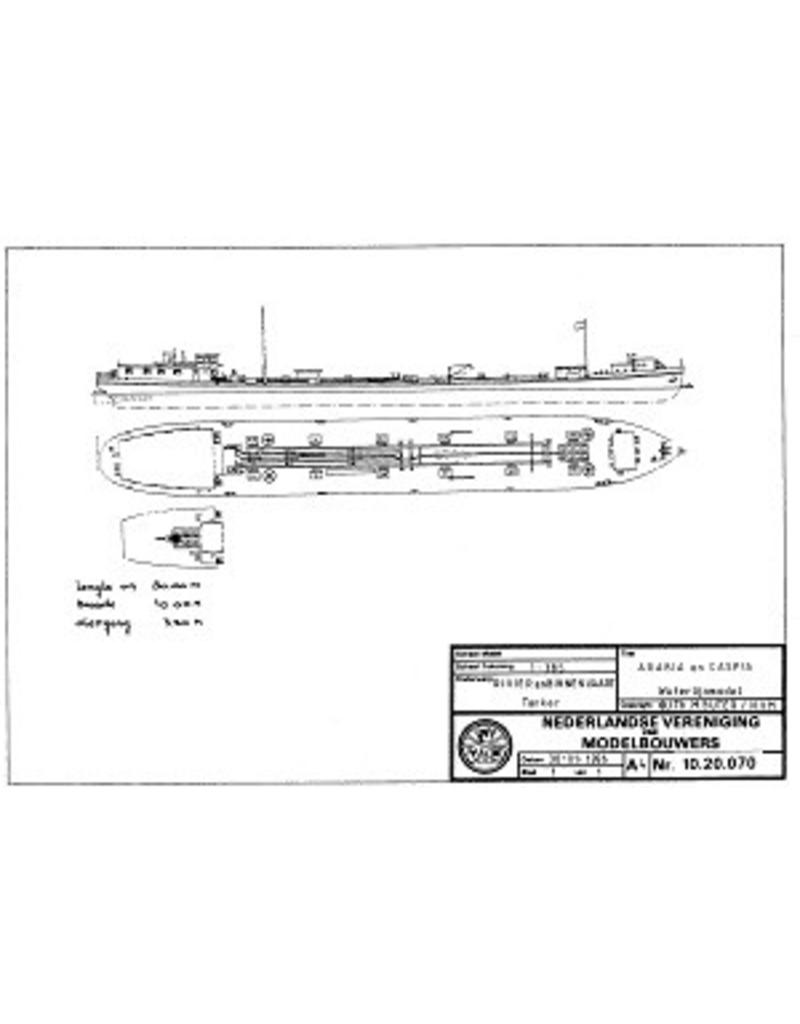
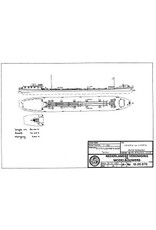
Cargo manifest SS "Roosenboom", "van Goens", "Speelman", "van Diemen", "Duijmaer v.Twist" - KPM, 1926 |
|
Quality |
frames to the waterline; side view; deck plans |
|
Scale |
1 : 500 |
|
Number of sheets A00 |
0 |
|
Number of A0 sheets |
0 |
|
Number of A1 sheets |
0 |
|
Number of A2 sheets |
0 |
|
Number of A3 sheets |
0 |
|
Number of A4 sheets |
1 |
|
Total number of drawing sheets |
1 |
|
Number of A4 text sheets |
0 |
|
Weight in grams |
30 |
|
Details |
Total length 14.6 cm |
|
Remarks |